
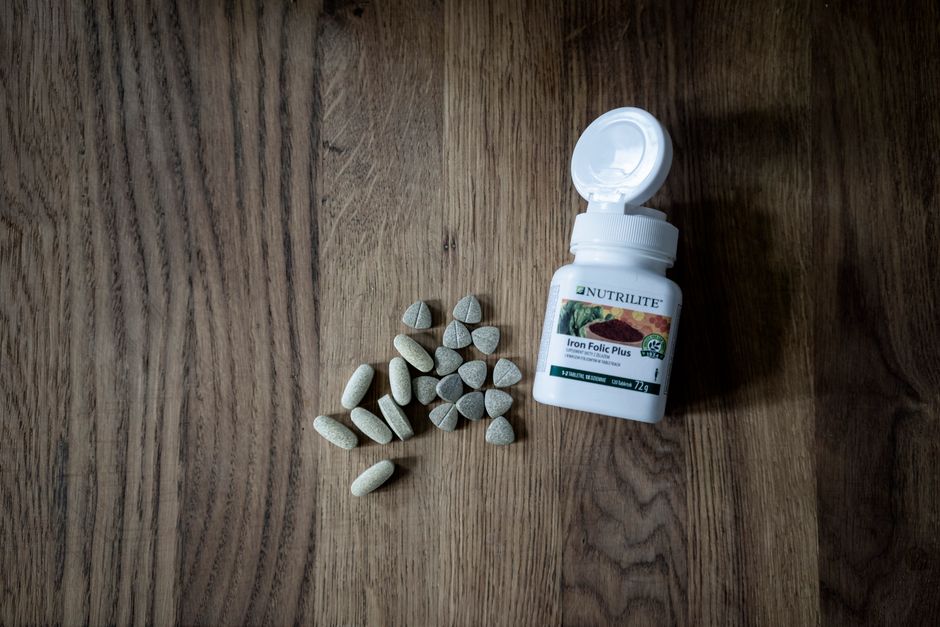
Iron is one of the few nutrients where a toddler’s diet can genuinely fall short, and the consequences show up in ways parents often miss. The most reliable way to raise iron levels in a toddler is to serve iron-rich foods at most meals, pair plant-based iron with a source of vitamin C, and keep milk from crowding out solid food. If a child’s diet changes are not enough, only a doctor should decide whether supplements are needed.
Toddlers need iron for growth, brain development, and making red blood cells. Between ages 1 and 3, the body’s demand for iron is high relative to how much food a small child eats. That mismatch is why iron deficiency is one of the more common nutritional problems in this age group worldwide.
Why Are Toddlers at Higher Risk for Low Iron?
Iron deficiency peaks in toddlers for reasons that are easy to overlook. A child who drank breast milk or iron-fortified formula as an infant had a steady iron supply. Once cow’s milk and table food take over, that supply depends entirely on what lands on the plate.
Cow’s milk is the biggest dietary culprit. It contains very little iron, and it can interfere with how the body absorbs iron from other foods. It also fills a small stomach fast. A toddler who drinks large amounts of milk may eat very little iron-rich food simply because they are not hungry.
The body stores iron from birth, but those stores are largely used up by around 6 months of age. From that point forward, iron has to come from food or supplements. When intake stays low for months, the body drains its reserves first, then starts making fewer healthy red blood cells.
Some toddlers lose iron faster than others. Heavy milk drinking can irritate the gut lining and cause small, ongoing blood loss. That loss is usually invisible to parents. This is one reason the problem can develop quietly.
What Are the Signs of Low Iron in a Toddler?
Mild iron deficiency often has no obvious symptoms at all. That is the part that surprises many parents. A toddler can be low on iron and still look and act mostly normal.
When symptoms do appear, they tend to be vague and easy to blame on something else:
- Pale skin, especially around the lips, gums, or nail beds
- Unusual tiredness or low energy during play
- Irritability or a shorter attention span than usual
- Poor appetite, which can make the problem worse
- Slower weight gain or growth than expected
- Frequent infections
- Pica, which is craving and eating non-food items like dirt, paper, or ice
None of these signs prove iron deficiency on their own. Tiredness and pale skin have many possible causes. The only way to confirm low iron is a blood test ordered by a doctor. Parents should not assume a diagnosis from symptoms alone, and should not start supplements without testing.
How To Increase Iron Levels In Toddlers Diet Tips
The core strategy is simple: get more iron in, help the body absorb it, and remove the things that block it. Most of the work happens at the table, not in a bottle.
Iron comes in two forms, and they behave differently in the body. Heme iron comes from animal foods and is absorbed efficiently. Non-heme iron comes from plants and is absorbed less well. That difference shapes how you build a toddler’s meals.
Good sources of heme iron include:
- Lean beef, lamb, and pork
- Chicken and turkey, especially the darker meat
- Fish such as salmon and tuna
- Eggs, which contain some iron mainly in the yolk
Good sources of non-heme iron include:
- Iron-fortified infant and toddler cereals
- Beans, lentils, and chickpeas
- Tofu and edamame
- Spinach and other dark leafy greens
- Fortified breads and pastas
- Dried fruit such as raisins, cut small to avoid choking
The key move is pairing. Vitamin C sharply increases how much non-heme iron the body absorbs. Serving beans with tomato, or cereal with strawberries, or lentils with bell pepper, makes the plant iron go further. This pairing is one of the most useful and well-supported steps a parent can take.
Just as important is what to avoid at the same meal. Calcium blocks iron absorption, and so do tannins in tea. Keep milk, cheese, and yogurt for snack times rather than serving them alongside the iron-rich main meal. Do not give a toddler tea, which is not recommended for young children in any case.
How Much Iron Does a Toddler Actually Need?
The recommended daily iron intake for children ages 1 to 3 is 7 milligrams per day, according to the National Institutes of Health. That number is not large, but hitting it consistently on a toddler’s small appetite takes planning.
For context, here is how common foods compare. These figures come from standard USDA nutrient data and are approximate, since amounts vary by cut, brand, and preparation.
| Food (approximate serving) | Iron (mg) |
|---|---|
| Iron-fortified cereal, 1 cup | about 9 mg |
| Beef, 2 oz | about 2 mg |
| Chicken, dark meat, 2 oz | about 1 mg |
| Beans or lentils, 1/2 cup | about 2 to 3 mg |
| Tofu, 1/2 cup | about 3 mg |
| Egg, 1 large | about 1 mg |
| Spinach, cooked, 1/2 cup | about 3 mg |
A single fortified cereal serving can cover the daily need. But absorption is never total, and plant sources are absorbed less efficiently than meat. That is why variety across the day matters more than any one food.
Should You Limit Your Toddler’s Milk?
Yes, and this is one of the most effective changes a parent can make. Cow’s milk is not bad, but the amount matters a great deal for iron.
Pediatric guidance generally recommends that toddlers drink no more than about 16 to 24 ounces of cow’s milk per day. Beyond that, milk tends to replace iron-rich foods and can reduce iron absorption. Some children who drink very large amounts also develop small intestinal blood loss from milk.
If a toddler is drinking well over two cups a day, cutting back is often the first practical step. Offer water between meals. Serve milk with snacks rather than at the main iron-rich meal. This single adjustment can improve iron status over time without any supplement at all.
When Are Iron Supplements Needed?
Supplements are a medical decision, not a dietary one. Iron supplements can cause stomach upset, constipation, and, in excess, serious harm. Too much iron is dangerous for young children, and iron is a leading cause of poisoning in kids who swallow adult pills.
Do not start an iron supplement for a toddler unless a doctor has confirmed low iron with a blood test and recommended a specific product and dose. The right dose depends on the child’s weight, the severity of the deficiency, and the cause. There is no safe way for a parent to guess this.
If a doctor does prescribe iron, keep the bottle locked away and out of reach. Even a small number of adult iron tablets can seriously harm a small child, so this is a real safety issue, not a formality.
For most toddlers with mildly low iron, dietary changes plus milk reduction are enough, and doctors often recheck blood levels after a period of time to confirm improvement. When diet alone is not working, that is exactly when medical guidance matters most.
What Blocks Iron Absorption?
Several common foods and habits work against iron, and knowing them helps you plan meals.
- Calcium from milk, cheese, and yogurt competes with iron. Keep these away from the iron-rich meal.
- Tannins in tea and, to a lesser degree, coffee block iron. Tea is not appropriate for toddlers.
- Phytates in whole grains and legumes reduce absorption, though this is partly offset by vitamin C.
- Excess milk both fills the stomach and can cause gut irritation.
The practical takeaway is timing. Put the iron-rich food and a vitamin C source together at one meal. Put the milk at a different time. That simple separation does a lot of the work.
How Long Does It Take to Fix Low Iron?
Dietary improvements can start helping within weeks, but rebuilding iron stores takes longer. Hemoglobin, the oxygen-carrying protein in red blood cells, often responds before the body’s stored iron does. That gap is why doctors usually recheck levels rather than assuming the problem is solved.
Exact timelines vary widely depending on how low the child started, the cause, and whether supplements are part of the plan. A parent should not expect a fast fix from food alone if the deficiency is significant. Follow the doctor’s schedule for follow-up testing, and keep the dietary changes going even after levels improve.
Frequently Asked Questions
What foods increase iron in toddlers fastest?
Iron-fortified cereal, lean red meat, beans, lentils, and tofu are among the richest sources. Pairing plant sources with vitamin C foods like strawberries or bell pepper helps the body absorb more of the iron.
Does milk stop toddlers from absorbing iron?
Calcium in milk competes with iron, and large amounts of milk can also crowd out iron-rich foods. Limiting cow’s milk to about 16 to 24 ounces a day and serving it away from the main meal helps.
Can I give my toddler iron supplements without a doctor?
No. Iron supplements should only be given when a doctor has confirmed low iron with a blood test and recommended a dose. Too much iron can be harmful, and iron pills are a serious poisoning risk for young children.
How much iron does a 2-year-old need per day?
Children ages 1 to 3 need about 7 milligrams of iron per day, based on National Institutes of Health recommendations. Hitting that amount consistently usually takes some planning across the day’s meals.
