
Low hemoglobin means your blood is not carrying enough oxygen to your body’s tissues. That is the core problem, and it often shows up as fatigue, weakness, pale skin, and shortness of breath. The fix depends entirely on why your hemoglobin is low, but for most people, the starting point is getting enough iron, vitamin B12, and folate from food or supplements. If you have been told your hemoglobin is low, the first step is finding out the cause, because treating the wrong deficiency will not raise your levels.
What Do Hemoglobin Levels Actually Mean?
Hemoglobin is a protein inside your red blood cells. It picks up oxygen in your lungs and drops it off in tissues throughout your body. When your hemoglobin is low, every organ works with less oxygen than it needs.
Normal ranges vary slightly by lab and by population. For adult men, normal is generally 13.5 to 17.5 grams per deciliter. For adult women, normal is generally 12.0 to 15.5 grams per deciliter. A level below those ranges is considered anemia. The severity matters. Mild anemia may cause few symptoms. Severe anemia can strain your heart, which has to pump harder to deliver the oxygen that is available.
Doctors do not treat a number on a lab slip. They treat the person and the cause behind the number. That is why the most important question is not “how do I raise my hemoglobin” but “why is my hemoglobin low.”
How To Increase Hemoglobin: The Real Steps
Raising hemoglobin means giving your body the raw materials it needs to build red blood cells, and fixing whatever is causing the loss or destruction of those cells. For most people, that means addressing iron deficiency first. Iron is the central component of hemoglobin. Without enough iron, your body literally cannot build functional red blood cells.
The steps are straightforward: identify the deficiency, correct it with diet or supplements, and recheck your blood to confirm the levels are rising. If they are not rising, the cause may be ongoing blood loss, absorption problems, or a different condition entirely.
Do not self-diagnose anemia and start taking high-dose iron blindly. Too much iron can cause constipation, nausea, and in rare cases, iron overload, which damages organs. A simple blood test tells you whether iron is actually the problem.
Which Foods Raise Hemoglobin?
Food alone can raise hemoglobin, but it works slowly. If you are deficient, dietary changes may take weeks to months to show meaningful improvement. Supplements work faster but should be guided by a healthcare provider.
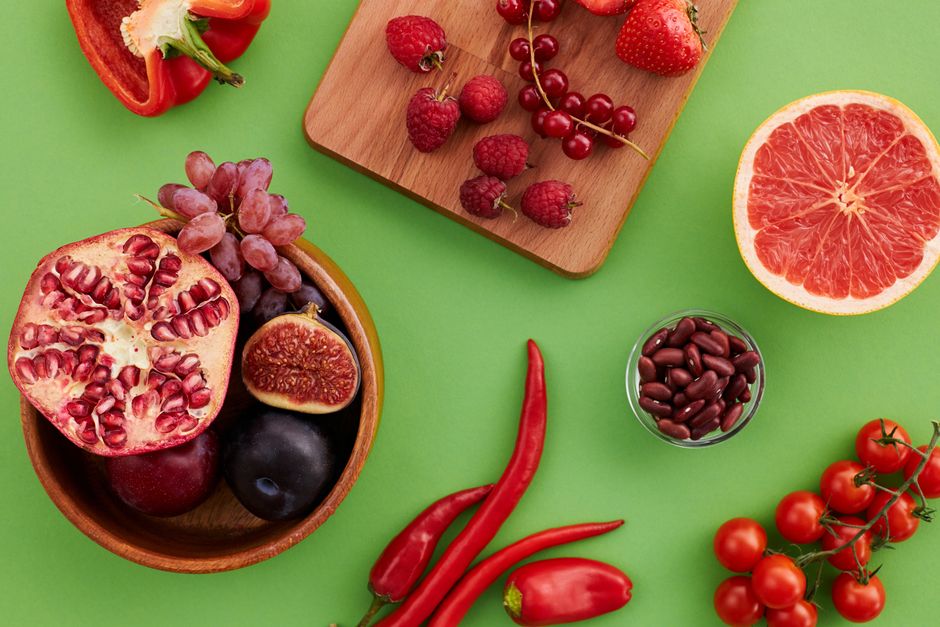
Heme iron comes from animal sources and is absorbed more easily by your body. Good sources include red meat, poultry, fish, and organ meats like liver. Non-heme iron comes from plant sources like beans, lentils, spinach, tofu, and fortified cereals. Your body absorbs non-heme iron less efficiently.
Vitamin C changes that. Eating vitamin C-rich foods alongside iron-rich foods improves non-heme iron absorption. A squeeze of lemon over spinach, or an orange with your bean dish, makes a measurable difference. Coffee, tea, and dairy can block iron absorption when consumed with meals, so it helps to separate them.
Vitamin B12 and folate are also essential. B12 is found almost exclusively in animal products like meat, eggs, and dairy. Folate is abundant in leafy greens, beans, and citrus fruits. A deficiency in either one produces anemia even if your iron levels are normal.


When Supplements Are Necessary
If a blood test confirms iron deficiency, iron supplements are the standard treatment. The typical approach is a daily dose of elemental iron, usually 65 mg or more, taken on an empty stomach for best absorption. Taking iron with vitamin C improves absorption further.
Side effects are common. Constipation, dark stools, nausea, and stomach upset affect many people. Taking iron with food reduces stomach upset but also reduces absorption by about 40 percent. Some formulations are gentler on the stomach, but no supplement is completely side-effect free for everyone.
Your hemoglobin should start rising within two to four weeks of starting iron therapy. Full correction of anemia typically takes two to three months. Your doctor will usually recheck your blood after a few weeks to confirm the treatment is working. If your hemoglobin is not rising, that is a signal that something else is going on, not a reason to double the dose.
Vitamin B12 deficiency requires a different approach. Oral B12 supplements work for mild deficiency, but severe deficiency or absorption problems may require injections. Never assume a B12 injection is needed without testing first.
Medical Conditions That Prevent Hemoglobin From Rising
Sometimes diet and supplements do not fix the problem because the underlying cause is not nutritional. Chronic kidney disease reduces production of erythropoietin, the hormone that tells your bone marrow to make red blood cells. Autoimmune conditions, bone marrow disorders, and chronic inflammation can all suppress red blood cell production.
Blood loss is another major cause. Heavy menstrual bleeding is the most common cause of iron deficiency in premenopausal women. Gastrointestinal bleeding from ulcers, polyps, or colorectal cancer can cause slow, invisible blood loss over months. If your hemoglobin is low and you have no obvious dietary explanation, your doctor may recommend investigating for hidden blood loss.
Some research suggests that certain chronic diseases cause something called anemia of inflammation, where iron is present in your body but trapped in storage, unavailable for red blood cell production. In this case, taking more iron does not help and may cause harm. Treating the underlying condition is the only effective approach.
Lifestyle Factors That Affect Hemoglobin
Exercise influences hemoglobin in a specific way. Regular aerobic exercise increases your body’s demand for oxygen, which stimulates red blood cell production. However, intense endurance training can temporarily lower hemoglobin due to a condition called sports anemia, where plasma volume expands faster than red blood cell production. This is not true anemia and usually resolves on its own.
Altitude affects hemoglobin too. At higher elevations, the air has less oxygen, so your body compensates by producing more red blood cells. People who move to high-altitude cities like Denver or Mexico City often see their hemoglobin rise within weeks. This is a normal adaptation, not a reason for concern.
Smoking is a different story. Carbon monoxide in cigarette smoke binds to hemoglobin more strongly than oxygen does. Smokers often have higher hemoglobin levels because their bodies try to compensate for the oxygen being blocked. This is not a sign of health. It is a sign of chronic oxygen deprivation.
How Fast Can You Expect Results?
Timeline expectations matter because they prevent unnecessary worry or false hope. If you have iron deficiency anemia and start treatment, you may feel better within a week, even before your hemoglobin shows significant change. That early improvement comes from your bone marrow ramping up production.
Measurable changes in hemoglobin typically appear after two to three weeks of consistent treatment. Full normalization takes time. Most people reach normal hemoglobin levels within two months, but some need longer, especially if the underlying cause has not been fully resolved.
If you have been taking iron for six to eight weeks and your hemoglobin has not improved, tell your doctor. This is not a reason to continue waiting. It is a reason to look deeper for the cause.
Frequently Asked Questions
How long does it take to increase hemoglobin with diet?
Dietary changes alone typically take several weeks to months to raise hemoglobin levels. Food-based iron is absorbed more slowly than supplements, so improvement is gradual.
Can drinking beetroot juice increase hemoglobin?
Beetroot is rich in iron and folate, but no large clinical trials confirm it reliably raises hemoglobin on its own. It can be part of an iron-rich diet, but it is not a substitute for treating a confirmed deficiency.
What is a dangerously low hemoglobin level?
Levels below 7 grams per deciliter are generally considered severe and often require urgent medical treatment. Levels between 7 and 10 are moderate to severe and need prompt evaluation by a doctor.
Does vitamin C really help with iron absorption?
Yes, vitamin C significantly improves absorption of non-heme iron from plant foods and iron supplements. Taking vitamin C alongside an iron-rich meal or supplement is a well-established way to increase iron uptake.
