
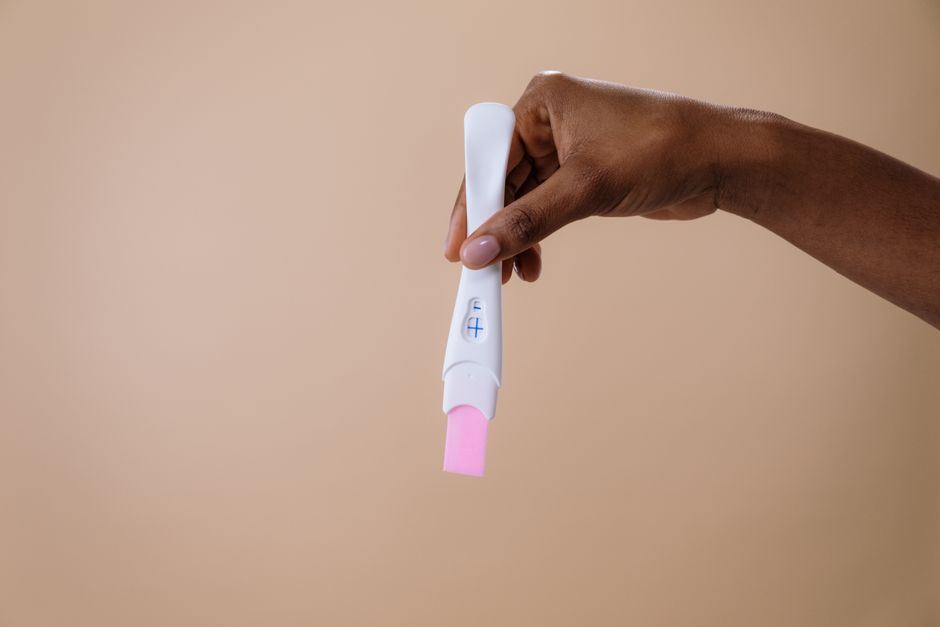
Fertility is not a single switch you can flip. It is a reflection of how well your hormones, eggs, and reproductive system are working together. The most honest answer to how to increase female fertility naturally is this: there is no proven way to reverse the natural decline in egg quantity and quality that comes with age. What you can do is support the conditions that help ovulation happen regularly and protect the health of the eggs you have. That means eating well, moving your body, sleeping enough, managing stress, and getting the right medical checks. These steps improve your odds. They do not guarantee a pregnancy.
How does age affect female fertility?
Age is the single strongest factor in female fertility. This is not a scare tactic. It is biology that has been measured again and again.
A woman is born with all the eggs she will ever have. That number falls steadily from birth. The decline speeds up noticeably in the mid-30s and continues after that. Egg quality also changes with age, because eggs are as old as the woman herself. Older eggs are more likely to carry chromosomal errors, which raises the risk of miscarriage and certain genetic conditions.
This is why fertility specialists are direct about timelines. If you are under 35 and have been trying for a year without success, it is reasonable to seek an evaluation. If you are 35 or older, many clinicians suggest checking in after about six months. If you have irregular periods, known conditions like endometriosis, or a history of pelvic infection, talk to a doctor sooner rather than waiting.
No diet, supplement, or lifestyle change rewinds the egg clock. That is the honest position. What lifestyle changes can do is make sure nothing else is standing in the way of ovulation and conception.
What foods support fertility?
There is no magic fertility food. The evidence points to overall eating patterns rather than single ingredients.
The Mediterranean-style pattern has the most consistent support. It emphasizes vegetables, fruit, whole grains, legumes, nuts, olive oil, and fish, with less red and processed meat. Some studies suggest women who eat closer to this pattern have better markers of fertility and, in some cases, higher pregnancy rates with assisted reproduction. The evidence is encouraging but not airtight, and it does not promise a result.
Several nutrients matter for reproductive health:
- Folate — found in leafy greens, beans, and fortified grains. It matters for early fetal development, which is why health authorities recommend folic acid supplementation for anyone who could become pregnant.
- Iron — from beans, lentils, spinach, and meat. Some research links low iron intake to a higher risk of ovulation problems, though the evidence is not definitive.
- Omega-3 fatty acids — from fish like salmon and sardines. These support hormone function and may help with blood flow to reproductive organs.
- Vitamin D — from sunlight, fatty fish, and fortified foods. Low vitamin D has been associated with some fertility issues, but whether supplementing improves outcomes is still being studied.
What to limit matters too. Trans fats, sugary drinks, and heavily processed foods are linked in some studies to poorer fertility outcomes. You do not need perfection. Consistency over months is what counts.
Can weight affect fertility?
Yes, in both directions. Body weight influences hormone balance, and hormones drive ovulation.
Carrying significant excess weight can disrupt the hormonal signals that trigger ovulation. It is associated with irregular cycles and, in some women, conditions like polycystic ovary syndrome (PCOS), which is a common cause of ovulation problems. Losing even a modest amount of weight has been shown in some studies to restore regular ovulation in women with PCOS.
Being underweight is also a problem. When body fat drops too low, the body can shut down the reproductive system as a survival mechanism. Periods may stop entirely. This is seen in some athletes and in people with eating disorders.
The goal is not a specific number on a scale. It is a weight range where your hormones can function normally. If your periods are regular and you feel well, your weight is likely in a workable range. If your cycles are irregular or absent, weight may be part of the conversation with your doctor.
How do exercise and sleep influence fertility?
Moderate exercise helps. Extreme exercise can hurt.
Regular physical activity supports healthy weight, improves insulin sensitivity, and reduces stress. All of these can support ovulation. Walking, swimming, cycling, and moderate strength training are all reasonable. The key word is moderate.
Very intense training, especially when combined with low body fat and inadequate calories, can disrupt the menstrual cycle. This is sometimes called the female athlete triad, and it can lead to missed periods and reduced fertility. If your periods have become irregular since you increased your training, that is a signal worth paying attention to.
Sleep matters more than most people realize. Poor sleep and disrupted sleep patterns can affect hormone regulation, including the hormones that control ovulation. Aim for consistent, adequate sleep. There is no single perfect number, but most adults do best with seven to nine hours.
Does stress really affect fertility?
Stress does not make you infertile. It can, however, interfere with the hormonal rhythm that governs ovulation.
The body’s stress response involves cortisol and other hormones. When stress is chronic, these hormones can disrupt the signals between the brain and the ovaries. In some women, this shows up as irregular cycles or missed ovulation. In others, the effect is less clear.
The relationship also runs the other way. Struggling to conceive is itself stressful. That loop can feel hard to break.
What helps is not a single fix. Regular movement, adequate sleep, time outdoors, breathing practices, and talking to someone you trust all have reasonable support for reducing stress. None of them are proven fertility treatments. They are reasonable supports for overall health, and overall health is where fertility lives.
What about supplements and fertility claims?
This is where honesty matters most. The supplement market for fertility is large, and most products are not supported by strong human evidence.
A few nutrients have legitimate roles. Folic acid is recommended before and during early pregnancy to reduce the risk of neural tube defects. That recommendation is well established. Vitamin D and omega-3s have plausible roles, but whether supplementing improves pregnancy rates is not confirmed by large trials.
Many fertility supplements combine herbs and nutrients with bold claims. No large human trials confirm that most of these products improve fertility. Some can interact with medications or affect hormone levels. Talk to your doctor before starting anything, especially if you are already in fertility treatment.
Be skeptical of anything marketed as a guaranteed fix. Fertility is complex, and no single pill addresses it.
When should you see a doctor?
Natural steps are worth taking. They are not a substitute for medical evaluation when something is wrong.
See a doctor if you are under 35 and have not conceived after a year of regular unprotected sex, or if you are 35 or older and have not conceived after about six months. Seek help sooner if you have very irregular or absent periods, known endometriosis or PCOS, a history of pelvic infection, or if your partner has known fertility concerns.
A medical evaluation can find issues that lifestyle changes cannot fix, such as blocked fallopian tubes, thyroid problems, or low sperm count. Finding them early gives you more options. That is not a failure of natural approaches. It is using every tool available.
Frequently Asked Questions
Can you improve egg quality naturally?
There is no proven way to reverse age-related decline in egg quality. Some lifestyle steps, like eating well and avoiding smoking, may support overall reproductive health, but no diet or supplement has been shown to restore egg quality.
What is the fastest way to get pregnant naturally?
There is no guaranteed fast method. Tracking your ovulation and having regular sex during your fertile window gives you the best chance each cycle, but conception timing depends on many factors including age and health.
Do fertility supplements actually work?
Most fertility supplements lack strong human evidence that they improve pregnancy rates. Folic acid is the main exception, and it is recommended for anyone who could become pregnant to reduce the risk of birth defects.
How long should you try before seeing a fertility doctor?
Many clinicians suggest an evaluation after one year of trying if you are under 35, or after about six months if you are 35 or older. See a doctor sooner if your periods are irregular or you have a known fertility condition.
