
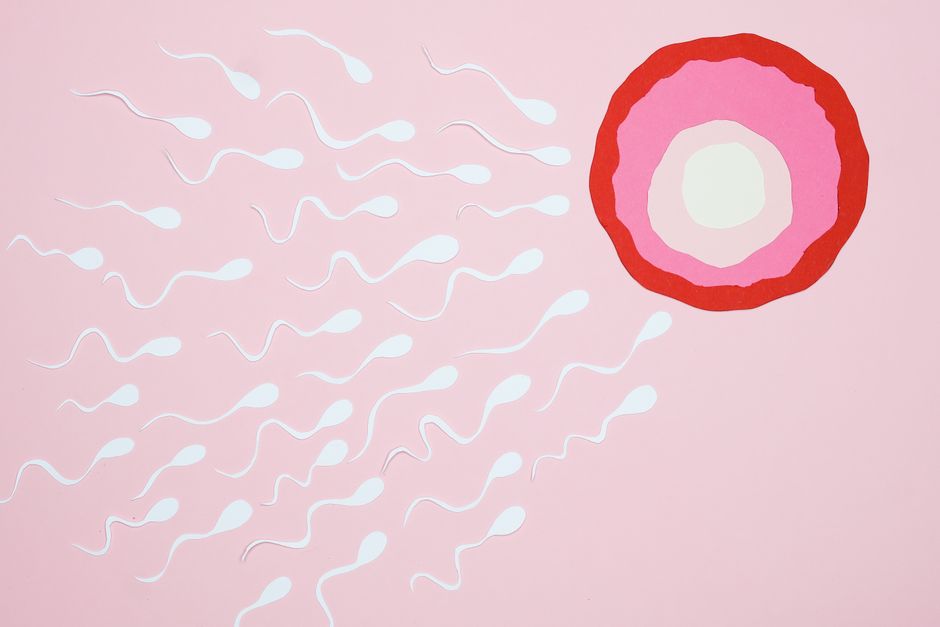
Thick, sticky semen can be frustrating, especially when you are trying to conceive. Healthy sperm needs to move easily through cervical mucus to reach the egg. When semen stays thick and clumpy for too long, it can slow sperm down. The good news is that in many cases, you can improve sperm viscosity naturally by addressing hydration, diet, and lifestyle habits. The goal is to make semen thinner and more watery so sperm can swim freely.
What Causes High Sperm Viscosity?
Semen starts as a thick liquid in the prostate and seminal vesicles. It naturally thickens after ejaculation to help sperm stay in place. Normally, it becomes watery within 15 to 30 minutes. This process is called liquefaction.
When semen remains thick and sticky for over an hour, doctors call it high viscosity. This can trap sperm and prevent them from moving forward. Several factors contribute to this problem.
Dehydration is one of the most common causes. Semen is mostly water. When your body lacks fluids, every secretion becomes thicker. Poor diet also plays a role. Diets low in fruits, vegetables, and healthy fats often produce poorer semen quality.
Infections and inflammation of the prostate or seminal vesicles can also thicken semen. Conditions like prostatitis or epididymitis change the chemical balance of semen. Hormonal imbalances, particularly low testosterone, may affect how the prostate produces fluid.
Certain medications, including some antidepressants and muscle relaxants, can increase viscosity as a side effect. Smoking and heavy alcohol use are also linked to thicker semen. Varicocele, a condition where veins in the scrotum enlarge, can affect semen consistency as well.
How To Improve Sperm Viscosity Naturally
Most natural approaches focus on making the body produce thinner, healthier semen. Start with hydration. Drink enough water throughout the day so your urine is light yellow or clear. Aim for roughly 8 to 10 glasses daily, but adjust for your activity level and climate.
Diet changes matter significantly. Increase your intake of foods high in antioxidants. Berries, citrus fruits, tomatoes, and leafy greens help reduce oxidative stress in the reproductive tract. Oxidative stress damages sperm DNA and can make semen thicker.
Omega-3 fatty acids support healthy semen consistency. Eat fatty fish like salmon and sardines twice a week. Walnuts, flaxseeds, and chia seeds are good plant-based sources. These fats help keep cell membranes fluid, including the membranes of sperm cells.
Zinc is essential for prostate health. The prostate produces a large portion of seminal fluid. Foods rich in zinc include oysters, beef, pumpkin seeds, and lentils. Selenium works alongside zinc to support sperm motility. Brazil nuts are one of the richest sources of selenium, but limit intake to a few nuts daily to avoid excess.
Regular ejaculation helps maintain normal semen flow. Long periods without ejaculation allow semen to sit in the reproductive tract and thicken. Frequent ejaculation, whether through intercourse or masturbation, keeps the system flushed and fresh. Some research suggests ejaculating every 2 to 3 days provides the best balance for sperm count and viscosity.
Lifestyle Changes That Reduce Semen Thickness
Exercise improves blood flow throughout the body, including the reproductive organs. Moderate aerobic exercise like brisk walking, swimming, or cycling for 30 minutes most days supports healthy prostate function. Avoid excessive endurance training, which can temporarily raise body temperature and affect sperm quality.
Heat exposure worsens semen quality. The testicles need to stay cooler than the rest of the body. Avoid hot tubs, saunas, and long hot baths. Wear loose underwear and pants when possible. Tight briefs trap heat against the testicles and may increase viscosity.
Smoking damages sperm in multiple ways. Chemicals in tobacco smoke increase oxidative stress and reduce antioxidant levels in semen. Quitting smoking improves semen quality within three months. Alcohol also dehydrates the body and affects hormone production. Limit alcohol to moderate intake or avoid it entirely while trying to conceive.
Stress affects fertility through hormonal pathways. High stress raises cortisol levels, which can suppress testosterone production. This may change how the prostate and seminal vesicles function. Regular stress management through exercise, meditation, or adequate sleep supports healthy semen production.





Supplements and Natural Remedies
Some supplements have evidence behind them for improving semen quality. Coenzyme Q10 is an antioxidant that supports sperm energy production. Studies have found it improves sperm motility and may help with viscosity. Typical doses range from 100 to 200 mg daily, but always check with your doctor before starting.
L-carnitine is an amino acid that helps sperm use energy efficiently. Research published in fertility journals has shown it improves sperm motility in men with low sperm quality. It is naturally present in red meat and dairy products.
Vitamin C is important for semen health. It protects sperm from oxidative damage and supports the structure of seminal fluid. Some studies suggest vitamin C supplementation may reduce semen viscosity. Citrus fruits, bell peppers, and kiwi are excellent dietary sources.
Ashwagandha is an herbal supplement that has gained attention for male fertility. Some clinical trials have found it improves sperm count and motility. However, the evidence for viscosity specifically is limited. If you try it, choose a reputable brand and follow the dosing instructions on the label.
Be cautious with supplements. The FDA does not regulate them as strictly as medications. Some products contain unlisted ingredients or incorrect doses. Always inform your healthcare provider about any supplements you take, especially if you have existing health conditions.
When To See a Doctor
Natural approaches take time. Sperm production takes about 64 days, so improvements from lifestyle changes may not appear for two to three months. If you have been trying natural methods for several months without improvement, seek medical evaluation.
See a doctor if you notice other symptoms alongside thick semen. Pain during ejaculation, blood in semen, or discomfort in the pelvic area could indicate an infection. A urologist can perform a semen analysis to measure viscosity precisely. They can also check for underlying conditions like prostate infection or hormonal imbalance.
If you and your partner have been trying to conceive for over a year without success, professional evaluation is recommended. A semen analysis is a simple test that provides valuable information about sperm count, motility, and viscosity.
Medical treatments for high viscosity depend on the cause. Antibiotics treat bacterial infections. Hormone therapy addresses imbalances. In some cases, doctors may recommend assisted reproductive techniques where sperm is washed and prepared in a laboratory to bypass viscosity issues.
Key Nutrients for Semen Health
| Nutrient | Role in Semen Health | Food Sources |
|---|---|---|
| Zinc | Supports prostate function and semen production | Oysters, beef, pumpkin seeds, lentils |
| Selenium | Antioxidant that protects sperm from damage | Brazil nuts, tuna, eggs, sunflower seeds |
| Omega-3 fatty acids | Keeps cell membranes fluid and supports motility | Salmon, sardines, walnuts, flaxseeds |
| Vitamin C | Reduces oxidative stress and may thin semen | Citrus fruits, bell peppers, kiwi |
| Coenzyme Q10 | Supports sperm energy production | Organ meats, fatty fish, whole grains |
These nutrients work together. A balanced diet that includes these foods is generally more effective than taking individual supplements. Whole foods provide additional compounds that support absorption and function.
Frequently Asked Questions
How long does it take to improve sperm viscosity naturally?
Sperm production takes about 64 days, so visible improvements typically appear after 2 to 3 months of consistent lifestyle changes.
Does drinking more water thin out semen?
Yes, proper hydration helps produce thinner semen because seminal fluid is mostly water.
Can frequent ejaculation help with thick semen?
Ejaculating every 2 to 3 days prevents semen from sitting too long in the reproductive tract and helps maintain normal consistency.
Is thick semen always a sign of infertility?
No, high viscosity can slow sperm but does not automatically mean you are infertile, though it may reduce the chances of conception.
