
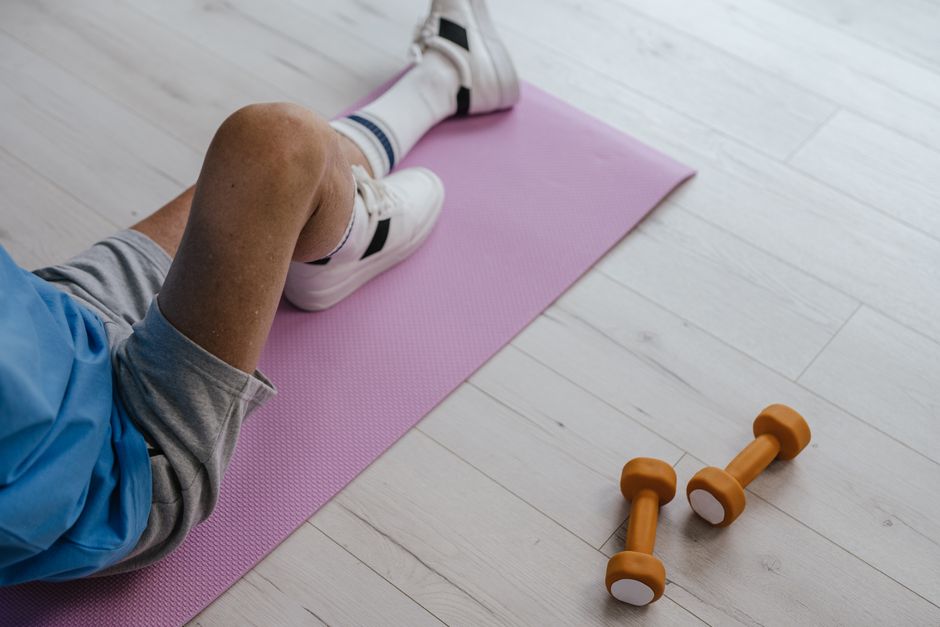
Knee pain is one of the most common reasons adults see a doctor, and the strategies that help most are not exotic. A combination of regular strength and low-impact aerobic exercise, gradual weight loss if you carry extra weight, adequate protein and vitamin D, and a diet built around vegetables, fish, and whole foods supports knee joint health better than any single supplement. No food or pill has been shown to regrow cartilage or cure osteoarthritis. What follows is what the evidence actually supports, and where it is thin.
How To Improve Knee Joint Health Diet Exercise More?
Exercise is the intervention with the strongest evidence for knee osteoarthritis and general knee function. It does not reverse cartilage loss, but it reduces pain, improves function, and strengthens the muscles that support the joint.
The quadriceps — the large muscle group on the front of the thigh — act as shock absorbers for the knee. When they are weak, more load passes through the joint surfaces. Strengthening them is one of the few things that reliably helps across age groups and pain levels.
Land-based exercise is usually recommended first. Walking, cycling, swimming, and water aerobics are all low-impact options. The key word is gradual. Sudden increases in distance or intensity are a common trigger for flare-ups, even in people with healthy knees.
Physical therapy is often more effective than self-directed exercise for people with established osteoarthritis, because it is tailored to your specific weakness and movement patterns. Some clinicians recommend it as a first step rather than a last resort.
Which Exercises Are Best for Knee Joint Health?
Two categories matter: strengthening and low-impact aerobic activity. Both should be part of a weekly routine if your knees allow it.
For strengthening, the movement does not need to be complicated. Straight-leg raises, seated leg extensions, wall sits, step-ups, and light resistance training all load the quadriceps and glutes. Hip strengthening matters too — weak hip muscles change how the leg moves and can increase stress at the knee.
For aerobic activity, the goal is raising your heart rate without pounding the joint. Cycling, swimming, and walking on flat, even ground are common choices. Running is not automatically off-limits for everyone, but it is higher impact and may not suit people with significant pain or cartilage damage. Talk to a clinician before starting a running program if you have known knee arthritis.
Range-of-motion work matters as well. Gentle stretching after exercise helps maintain flexibility. Avoid forcing a stretch into pain.
- Strength: 2 to 3 sessions per week targeting quadriceps, glutes, and hamstrings
- Aerobic: aim for roughly 150 minutes of moderate activity per week if your health allows — the general public health guideline for adults
- Balance and flexibility: a few minutes after each session
These figures reflect broad public health guidance for adults, not a knee-specific prescription. Your starting point may be lower, and that is fine. Consistency matters more than intensity.
Can Weight Loss Improve Knee Pain?
Yes. This is one of the best-established findings in knee osteoarthritis research. Excess body weight increases the load passing through the knee with every step, and fat tissue also produces inflammatory signals that affect joint tissue.
Studies have consistently found that losing weight reduces knee pain and improves function in people with osteoarthritis who carry extra weight. Even modest loss — in the range of 5 to 10 percent of body weight — has been associated with meaningful improvement in some trials. Larger loss tends to produce larger benefit.
Weight loss alone is less effective than weight loss combined with exercise. Trials that combined diet and exercise have generally shown better outcomes than either alone. If you are pursuing weight loss for knee health, pair it with a strengthening program.





What Should You Eat for Knee Joint Health?
No single food treats knee osteoarthritis. The evidence supports a dietary pattern, not a magic ingredient.
A Mediterranean-style pattern — vegetables, fruit, legumes, whole grains, olive oil, fish, and limited processed food — is associated with lower levels of systemic inflammation in observational research. Whether that translates into less knee pain specifically is less clear. The evidence is suggestive but not definitive.
Protein matters for muscle. If you are doing strength training, you need enough protein to support muscle repair. General guidance for adults is roughly 0.8 grams of protein per kilogram of body weight per day, with some evidence that older adults may benefit from somewhat more. That figure is a general reference, not a knee-specific target. People with kidney disease should discuss protein intake with a doctor.
Vitamin D supports bone and muscle function. Low vitamin D is common, and some research links deficiency to worse knee symptoms. However, trials of vitamin D supplementation in knee osteoarthritis have generally not shown clear pain benefit. Testing and correcting a genuine deficiency is reasonable; taking high doses hoping to fix knee pain is not supported.
Calcium from food supports bone health around the joint. Dairy, leafy greens, and fortified foods are common sources.
Do Supplements Like Glucosamine and Collagen Work?
The evidence is mixed, and mostly underwhelming. Glucosamine and chondroitin have been studied for decades. Large trials have generally found little to no benefit over placebo for knee pain, though results vary across studies. Some people report improvement, but this is difficult to separate from placebo response, which is substantial in joint pain trials.
Collagen supplements have gained popularity. Some small trials suggest possible modest benefit for joint pain, but the studies are generally short, small, and of varying quality. No large, high-quality trial has confirmed meaningful cartilage repair or disease modification. The evidence is not strong enough to recommend collagen as a treatment.
Turmeric and curcumin have anti-inflammatory properties in laboratory studies. Human trials are limited and results are inconsistent. Some studies suggest possible small reductions in pain, but the evidence is not strong enough to call it established.
None of these supplements has been shown to regrow cartilage. That is a marketing claim, not a demonstrated effect.
What Else Affects Knee Joint Health?
Several factors outside diet and exercise influence how your knees feel and function.
Sleep and stress affect pain perception. Poor sleep is associated with worse pain reporting across many chronic conditions, including knee osteoarthritis. This does not mean pain is “in your head” — it means the nervous system’s processing of pain is influenced by sleep and stress, and addressing both can help.
Smoking is associated with worse outcomes in many musculoskeletal conditions, though the specific link to knee osteoarthritis is less well established than for other diseases. Not smoking is reasonable general advice.
Footwear and walking surface matter more than most people realize. Supportive shoes and even, predictable surfaces reduce the small cumulative stresses that can aggravate knee pain.
Finally, activity pacing helps. Doing too much on a good day and too little on a bad day is a common pattern that leads to flare-ups. Steady, moderate activity tends to work better than bursts.
When Should You See a Doctor About Knee Pain?
See a clinician if you have sudden severe pain, a knee that locks or gives way, significant swelling, or pain that persists despite weeks of conservative care. These can signal structural problems that need assessment.
Red flags that warrant prompt attention include a hot, red, swollen knee, fever with knee pain, or inability to bear weight after an injury. These can indicate infection or serious injury and should not wait.
For most people with gradual, activity-related knee pain, a primary care clinician or physical therapist is a reasonable first stop. Imaging is not always necessary and is often unhelpful early on, since many adults without pain have imaging findings of cartilage wear. Symptoms and function guide treatment more than scans do in many cases.
Frequently Asked Questions
Can knee cartilage grow back with diet or exercise?
No. Cartilage has very limited capacity to regenerate, and no diet or exercise program has been shown to regrow it. Exercise can strengthen surrounding muscle and reduce pain, but it does not restore lost cartilage.
Is walking bad for knee arthritis?
Walking is generally not harmful and is often recommended for people with knee osteoarthritis. It is low impact and helps maintain strength and function, though sudden increases in distance can cause flare-ups.
How much weight do you need to lose to help knee pain?
Even modest loss — around 5 to 10 percent of body weight — has been associated with reduced knee pain in some studies. Greater loss tends to produce greater benefit, especially when combined with exercise.
Do glucosamine supplements help knee pain?
Large trials have generally found little to no benefit over placebo, though results vary. Some people report improvement, but this is difficult to distinguish from placebo response.
