

Cholesterol is a waxy substance your body needs to build cells and make hormones. But when too much of it circulates in your blood, it can stick to artery walls and raise your risk of heart disease and stroke. The good news is that most people can improve their cholesterol profile with specific, proven lifestyle changes. What works best is a combination of eating more fiber and unsaturated fats, getting regular aerobic exercise, losing excess weight, and — when your doctor recommends it — taking medication. No single food or supplement can replace that combination, and anyone who claims otherwise is selling something.
What Do the Cholesterol Numbers Actually Mean?
A standard lipid panel gives you four main numbers. Understanding them helps you know what you are aiming for.
- LDL cholesterol — This is the “bad” cholesterol. It carries cholesterol to your arteries, where it can form plaque. Lower is better.
- HDL cholesterol — This is the “good” cholesterol. It helps remove cholesterol from your bloodstream. Higher is generally better.
- Triglycerides — This is a type of fat in your blood. High levels are linked to heart disease, especially when combined with high LDL or low HDL.
- Total cholesterol — This is the sum of your LDL, HDL, and a fraction of your triglycerides. It matters less than the breakdown.
Doctors look at these numbers together, not in isolation. A total cholesterol of 200 mg/dL might sound fine, but if your LDL is high and your HDL is low, your risk profile is still concerning. Your doctor also considers your age, blood pressure, smoking status, and whether you have diabetes when deciding your target numbers.
For most healthy adults, an LDL below 100 mg/dL is considered optimal, and an HDL above 60 mg/dL is protective. But these targets shift based on your personal risk. Someone who has already had a heart attack may need an LDL below 70 mg/dL. Ask your doctor what your specific targets should be.
Which Foods Actually Lower LDL Cholesterol?
Diet is the most powerful lifestyle tool you have for lowering LDL. The evidence is strongest for a few specific changes.
Soluble fiber is the single most effective dietary component for lowering LDL. It binds to cholesterol in your digestive tract and carries it out of your body before it enters your bloodstream. Oats, barley, psyllium husk, beans, lentils, apples, and Brussels sprouts are rich sources. Research consistently shows that eating 5 to 10 grams of soluble fiber daily can lower LDL by roughly 5 to 10 percent. That is a meaningful reduction — comparable to what some low-dose medications achieve.
Unsaturated fats — especially monounsaturated and polyunsaturated fats — lower LDL when they replace saturated fats. Olive oil, avocados, nuts, and fatty fish like salmon are the best sources. The key word is replace. Adding olive oil to a diet already high in butter and red meat does not help much. Swapping butter for olive oil, or red meat for fish, is what produces the benefit.
Plant sterols and stanols are compounds found in small amounts in fruits, vegetables, nuts, and legumes. They block cholesterol absorption in the intestine. Some margarines, yogurts, and orange juices are fortified with them. Eating 2 grams daily can lower LDL by about 6 to 10 percent. The effect is real but modest, and these fortified products are not a substitute for an overall healthy diet.
What about eggs? For decades, eggs were villainized because their yolks are high in dietary cholesterol. Current evidence shows that for most people, dietary cholesterol has a small effect on blood cholesterol compared with saturated fat. Eating an egg a day is not associated with increased heart disease risk in healthy people. The bigger concern is what you eat alongside the eggs — bacon, butter-soaked toast, and sausage are the real problems.
How Much Exercise Does It Take to Change Cholesterol?
Exercise affects cholesterol in a specific pattern. It does not lower LDL as dramatically as diet does, but it reliably raises HDL and lowers triglycerides. That combination is protective even if your LDL stays similar.
Aerobic exercise — walking, jogging, cycling, swimming — is the most studied form. The evidence indicates that about 150 minutes of moderate-intensity aerobic exercise per week is enough to raise HDL by several points and lower triglycerides. That is 30 minutes a day, five days a week, at a pace where you can talk but not sing.
Resistance training also helps, though the evidence is less extensive. Some studies suggest that weight training two to three times per week can improve HDL and lower LDL, particularly when combined with aerobic exercise. The best approach is to do both.
One important point: exercise alone, without weight loss, produces modest changes. When exercise leads to weight loss, the improvements are larger. If you are overweight, combining exercise with calorie reduction will move your cholesterol numbers more than either approach alone.

Does Weight Loss Improve Cholesterol?
Yes, and the effect is substantial. Losing 5 to 10 percent of your body weight lowers LDL, lowers triglycerides, and raises HDL. For someone who weighs 200 pounds, that is a loss of just 10 to 20 pounds.
The mechanism is tied to body fat, particularly visceral fat — the fat stored around your organs. Visceral fat is metabolically active. It releases inflammatory molecules that raise LDL and lower HDL. When you lose that fat, your liver becomes more efficient at clearing LDL from your blood.
Weight loss also improves insulin sensitivity. High insulin levels, which occur with insulin resistance, signal your liver to produce more LDL and more triglycerides. Losing weight breaks that cycle.
The pace of weight loss matters less than the consistency. Slow, steady loss of one to two pounds per week is sustainable and produces the same cholesterol improvements as rapid loss. What matters is keeping the weight off.
What Role Do Medications Play?
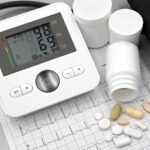
Statins are the most prescribed and most studied cholesterol-lowering medications. They work by blocking an enzyme in the liver that produces cholesterol, which causes the liver to pull more LDL out of the blood. Research consistently shows that statins lower LDL by 30 to 50 percent depending on the drug and dose, and they reduce the risk of heart attacks and strokes in people at elevated risk.
Statins are not a substitute for lifestyle changes. They are an addition. Many people who take statins still need to eat well and exercise to achieve their target numbers. Some people experience muscle aches with statins, though the evidence suggests this is less common than media coverage implies. If you have side effects, talk to your doctor — dose adjustments or switching to a different statin often resolves them.
Other medications exist for people who cannot take statins or who need additional lowering. Ezetimibe blocks cholesterol absorption in the intestine. PCSK9 inhibitors are injectable drugs that dramatically lower LDL. These are typically reserved for people at very high risk or those with genetic conditions that cause extremely high cholesterol.
Do not stop a statin without talking to your doctor. The decision to start or stop cholesterol medication is always individualized. Some people genuinely do not need medication if their cholesterol is only mildly elevated and their overall risk is low. Others need it regardless of how perfectly they eat.
Do Supplements and “Natural” Remedies Work?
This is where marketing gets loud and the evidence gets thin. Let’s be direct about what the research shows.
Red yeast rice contains a naturally occurring statin called monacolin K. It can lower LDL, but the amount of active compound varies widely between products. Some batches contain almost none. Others contain enough to pose the same muscle-related risks as prescription statins, without the quality control. Several products have been recalled for containing undisclosed prescription drug levels. If you take it, tell your doctor — it is not a harmless alternative.
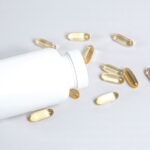
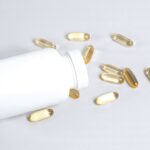
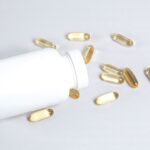
Fish oil lowers triglycerides, but the effect on LDL is minimal. High doses of omega-3 fatty acids — over 2 grams per day of EPA and DHA — can lower triglycerides by 20 to 30 percent. But the evidence that fish oil prevents heart attacks in people without heart disease is weak. Eating fatty fish twice a week is a reasonable choice. Fish oil pills are not a substitute for diet and exercise.
Garlic, turmeric, and plant-based “cholesterol-lowering” supplements have been studied, and the results are inconsistent. Some small trials show modest LDL reductions from garlic, but larger studies have not confirmed a meaningful effect. No supplement has been shown to reduce heart attacks or strokes. That is the standard that matters.
The bottom line on supplements: if a product claims to “naturally lower cholesterol” without mentioning the size of the effect, be skeptical. The evidence for lifestyle changes is far stronger than the evidence for any supplement.
How Fast Can You See Results?
Diet and exercise changes produce measurable improvements within weeks. A study published in the Journal of the American Medical Association found that a diet low in saturated fat and high in fiber lowered LDL by 10 to 15 percent within four to six weeks. Exercise-induced HDL changes typically take a bit longer — often eight to twelve weeks of consistent training.
If your doctor orders a repeat lipid panel, expect to wait at least three months after making lifestyle changes. Testing earlier than that may not show the full effect and can be discouraging. The full benefit of weight loss takes longer — several months to a year as your body adjusts to a new weight.
One more thing: cholesterol numbers are not the whole story. Two people can have identical LDL levels, and one will have a heart attack while the other will not. Inflammation, blood pressure, smoking, and genetics all matter. Improving your cholesterol is one part of reducing your overall cardiovascular risk — not the only part.
Frequently Asked Questions
What is the fastest way to lower LDL cholesterol?
Cutting saturated fat and adding soluble fiber produces the fastest measurable change, often within four to six weeks. Replacing butter with olive oil, choosing oats for breakfast, and eating beans several times a week are the highest-impact changes.
Can I lower cholesterol without medication?
Yes, if your cholesterol is only mildly elevated and your overall heart disease risk is low. Diet, exercise, and weight loss can lower LDL by 10 to 20 percent, which is enough for many people to reach their target.
Does drinking coffee affect cholesterol?
Unfiltered coffee — French press, Turkish, or espresso — contains compounds called diterpenes that can raise LDL cholesterol. Filtered coffee removes most of these compounds, so paper-filtered drip coffee has little effect on cholesterol.
How often should I get my cholesterol checked?
Healthy adults should have a lipid panel every four to six years starting at age 20. If you have elevated cholesterol, diabetes, or a family history of early heart disease, your doctor will likely recommend testing more often.
