
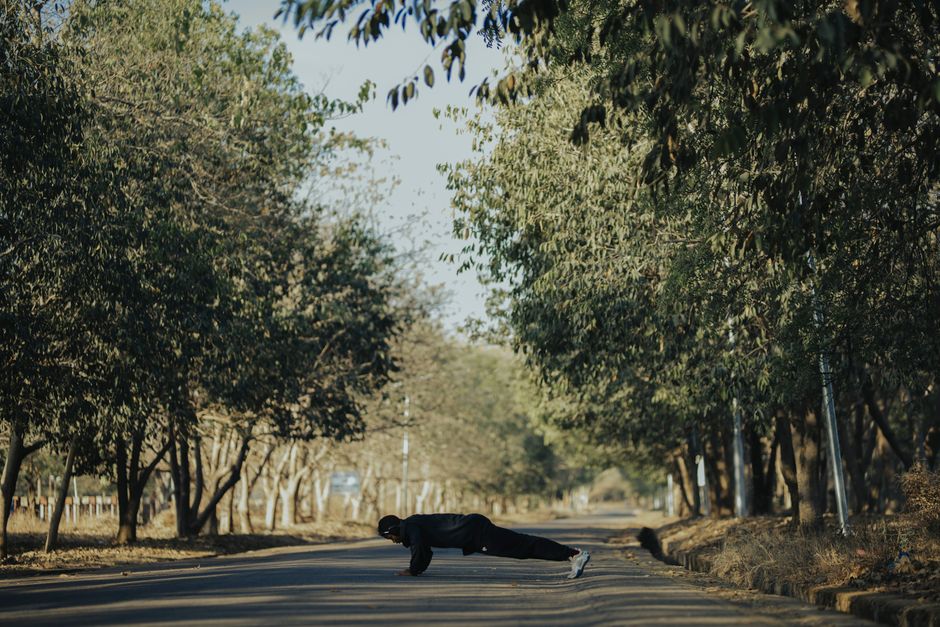
Exercise does not have to be off-limits when you have asthma. In fact, regular physical activity can improve how well your lungs work, boost your fitness, and reduce breathlessness during daily tasks. The key is managing your asthma well before, during, and after you move.
How To Improve Asthma With Exercise Safely
Asthma narrows the airways, making it harder to move air in and out of your lungs. Exercise increases your breathing rate, which can trigger symptoms in some people. But that does not mean you should avoid activity. With the right approach, exercise can actually help your asthma control.
People with asthma who exercise regularly tend to have better cardiovascular fitness, stronger breathing muscles, and fewer symptoms over time. The goal is not to push through symptoms. The goal is to prevent them before they start.
Three things matter most: keeping your asthma well controlled with daily medication if prescribed, warming up properly, and knowing when to stop and use your rescue inhaler.
If your asthma is not well controlled, exercise will be harder and riskier. Talk to your doctor about adjusting treatment before you start a new routine. Well-controlled asthma means you have symptoms no more than twice a week, use a rescue inhaler no more than twice a week, and do not wake at night because of asthma.
What Is Exercise-Induced Bronchoconstriction?
Exercise-induced bronchoconstriction (EIB) is a narrowing of the airways that happens during or after physical activity. It affects many people with asthma, but it can also occur in people who do not have chronic asthma.
During exercise, you breathe faster and take in more cool, dry air. This air can dry out and irritate the airways, causing the muscles around them to tighten. Symptoms usually start within 5 to 15 minutes after you begin exercising and peak about 5 to 10 minutes after you stop.
Common signs include:
- Wheezing or whistling sound when breathing
- Chest tightness or pain
- Coughing
- Shortness of breath that feels out of proportion to the effort
- Fatigue during exercise
EIB is not the same as poor fitness. It is a specific response to exercise that can be prevented with proper treatment. If you notice these symptoms regularly, tell your doctor. They can test your lung function before and after exercise to confirm the diagnosis.
Which Exercises Are Best For Asthma?
Not all activities affect asthma the same way. Sports that require short bursts of effort and allow for rest periods tend to be easier on the airways. Swimming is often recommended because the warm, humid air in indoor pools may be less irritating than cold, dry air.
Walking, hiking, biking, and light jogging are also good options. Team sports like baseball, volleyball, and gymnastics involve stops and starts, which gives your lungs a break. Endurance sports like long-distance running or cross-country skiing can be more challenging, especially in cold weather.
Cold, dry air is a common trigger. If you exercise outdoors in winter, wearing a scarf or mask over your mouth and nose can help warm and humidify the air you breathe.
High-pollution days and high-pollen days can also worsen symptoms. Check local air quality forecasts and adjust your plans if needed.





How Should You Warm Up And Cool Down?
A proper warm-up is one of the most effective ways to prevent exercise-induced symptoms. It prepares your lungs and airways for increased activity.
Start with 5 to 10 minutes of light activity that gradually increases in intensity. For example, walk for a few minutes, then pick up the pace slowly. This gives your body time to adjust and can reduce the severity of bronchoconstriction.
Cooling down is just as important. Do not stop abruptly. Slow your pace gradually over 5 to 10 minutes. This helps your breathing return to normal and reduces the chance of symptoms flaring after you stop.
If your doctor has prescribed a rescue inhaler to use before exercise, use it 15 to 20 minutes before you start. This is a common recommendation for people with known EIB.
When Should You Use A Rescue Inhaler?
A rescue inhaler (short-acting beta-agonist) quickly relaxes the muscles around your airways. It is used to treat sudden symptoms or to prevent them when taken before exercise.
If you have exercise-induced symptoms, your doctor may recommend using your rescue inhaler 15 to 20 minutes before activity. This can prevent symptoms for several hours in many people.
If you need your rescue inhaler more than twice a week for any reason, your asthma may not be well controlled. Talk to your doctor about adjusting your daily treatment. Relying on a rescue inhaler more often is a sign that your maintenance plan needs review.
Do not use a rescue inhaler as a substitute for proper controller medication. If you have persistent asthma, daily anti-inflammatory treatment is the foundation of control.
What Precautions Should You Take?
Always carry your rescue inhaler with you during exercise. Even if your asthma is well controlled, symptoms can happen unexpectedly.
Exercise with a friend or in a supervised setting if your asthma has been unstable. Know the signs that you need to stop: increasing chest tightness, wheezing that does not improve, or shortness of breath that feels severe.
If symptoms do not improve after using your rescue inhaler, seek emergency care. Severe asthma attacks can become life-threatening.
Avoid exercising when you have an active respiratory infection, such as a cold or flu. Your airways are more sensitive during these times.
If you have allergic asthma, be aware of your triggers. Exercising outdoors when pollen counts are high or when air quality is poor can increase your risk of symptoms.
Can Exercise Actually Improve Asthma Control?
Yes. Regular exercise improves cardiovascular fitness, which means your heart and lungs work more efficiently. This can reduce breathlessness during daily activities and improve your overall quality of life.
Exercise also strengthens your breathing muscles, including the diaphragm and intercostal muscles. Stronger breathing muscles can make breathing feel less effortful.
Some research suggests that regular physical activity may reduce airway inflammation over time, but the evidence is not yet strong enough to say exercise changes the underlying disease. What is clear is that exercise improves fitness, reduces symptoms, and helps people with asthma feel better.
Exercise is not a replacement for medication. It works alongside proper medical treatment.
How Do You Build An Exercise Routine With Asthma?
Start slowly and increase gradually. If you have not been active, begin with 10 to 15 minutes of light activity most days of the week. Add a few minutes each week as you tolerate it.
Aim for a mix of aerobic activity and strength training. Aerobic exercise improves lung function and endurance. Strength training builds muscle, which helps you use oxygen more efficiently.
Track your symptoms. Note when they happen, how severe they are, and what you did before they started. This helps you and your doctor identify triggers and adjust your plan.
If you use a peak flow meter, check your numbers before and after exercise. A drop in peak flow can be an early sign of exercise-induced bronchoconstriction.
Consistency matters more than intensity. A steady routine that you can maintain is better than occasional intense workouts that trigger symptoms.
Frequently Asked Questions
Can I exercise if I have asthma?
Yes, most people with asthma can and should exercise. The key is keeping your asthma well controlled and taking precautions to prevent symptoms.
What is the best exercise for asthma?
Swimming, walking, biking, and sports with rest periods are often easier on the airways. Cold, dry air and high-pollution days can make symptoms worse, so adjust your activity when needed.
Should I use my inhaler before exercise?
If your doctor recommends it, using a rescue inhaler 15 to 20 minutes before exercise can prevent symptoms. Do not use it more than twice a week without talking to your doctor.
When should I stop exercising?
Stop if you have chest tightness, wheezing, or severe shortness of breath that does not improve with rest or your rescue inhaler. Seek emergency care if symptoms do not get better.
