
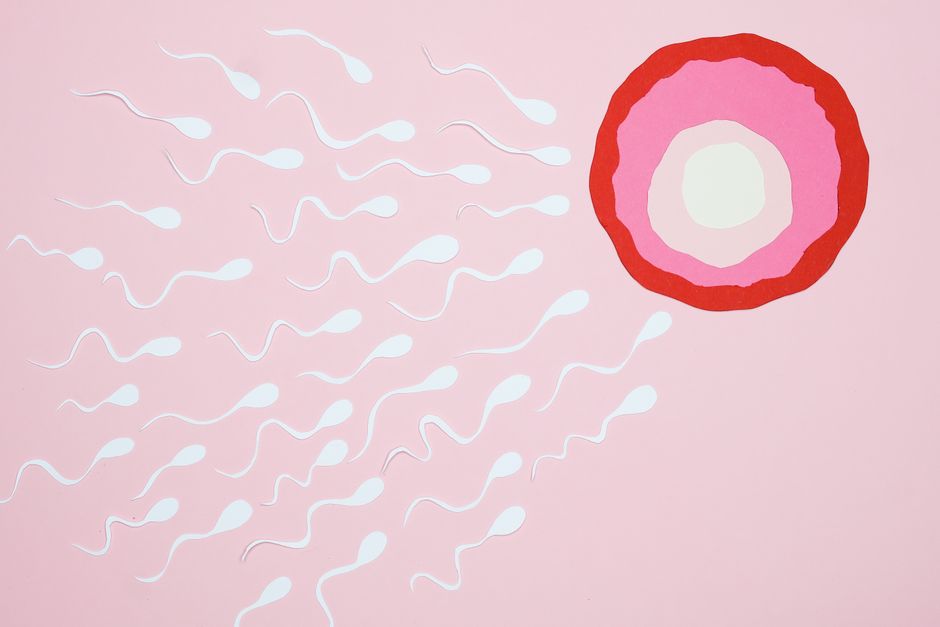
Pregnancy happens when a sperm meets an egg during the fertile window — the days just before and including ovulation. Ovulation is when one ovary releases a mature egg, usually about midway through the menstrual cycle. For most couples trying to conceive, the single most useful step is having sex in the two to three days before ovulation, because sperm can survive in the reproductive tract for several days while the egg lives only about 12 to 24 hours after release. Everything else — timing tools, lifestyle, and when to seek help — supports that basic biology.
How To Impregnate A Woman Ovulation Fertility: The Basics That Actually Matter
Conception requires three things to line up: a healthy egg, healthy sperm, and sperm present in the fallopian tubes when the egg arrives. The fertile window is the key concept. It spans roughly the five days before ovulation plus the day of ovulation itself. Sex on the day of ovulation alone can work, but it is less reliable than sex in the days leading up to it.
This is where many couples get the timing backward. They wait for a positive ovulation test and then try once. By the time ovulation is detected, the best window may already be closing. Having sex every one to two days across the fertile window is the approach most fertility specialists recommend, and it does not require pinpoint accuracy.
Sperm quality matters as much as timing. Sperm are produced continuously, but a full cycle of sperm development takes roughly two to three months. That means lifestyle changes made today affect sperm weeks from now — a detail that surprises many men.
When Does Ovulation Happen In A Normal Cycle?
In a textbook 28-day cycle, ovulation occurs around day 14. That number is a rough average, not a rule. Cycle length varies widely between women, and ovulation typically happens about 14 days before the next period starts, not 14 days after the last one began.
This distinction matters. A woman with a 32-day cycle likely ovulates closer to day 18. A woman with a 24-day cycle may ovulate around day 10. Counting from the start of the period works only for people with near-28-day cycles.
Irregular cycles make prediction harder. Cycles that vary by more than a week from month to month, or that fall outside the typical 21 to 35 day range, are worth discussing with a clinician. They can reflect ovulatory problems, thyroid issues, or other conditions that affect fertility.
What Are The Signs Of Ovulation?
Many women notice physical changes around ovulation. None of these signs is perfectly reliable on its own, but together they can help narrow the window.
- Cervical mucus changes. Mucus becomes clearer, wetter, and stretchier — often compared to raw egg white — in the days before ovulation. This type of mucus helps sperm travel and survive.
- Mild pelvic pain. Some women feel a one-sided twinge or ache near ovulation, called mittelschmerz. It is not universal and not a dependable timing tool by itself.
- Basal body temperature shift. Body temperature rises slightly after ovulation. This confirms ovulation happened, but it does so after the fact, so it is not useful for timing sex in the current cycle.
- Ovulation predictor kits. These detect a surge in luteinizing hormone (LH) in urine, which usually precedes ovulation by about 24 to 36 hours. They are the most practical home tool for timing.
One clarification worth knowing: a positive ovulation test predicts that ovulation is coming, not that it has occurred. It is a heads-up, not a confirmation.
How Often Should Couples Have Sex To Conceive?
Every one to two days during the fertile window is the standard recommendation. Daily sex does not reduce a man’s sperm count enough to hurt the chances for most couples with normal fertility, though some clinicians suggest every other day to allow sperm reserves to build.
Outside the fertile window, frequency matters less. Trying to “save up” sperm for ovulation day is a common mistake. Long gaps can actually reduce sperm quality in some men, and waiting risks missing the window entirely.
Position after sex does not meaningfully affect conception. Sperm reach the cervix within minutes regardless of position. Lying still afterward is harmless but not proven to improve odds.
What Lifestyle Factors Affect Fertility?
Both partners’ habits influence the chance of conception. The effects are real but usually modest, and they build over months rather than days.
For women, maintaining a healthy weight, avoiding smoking, and limiting alcohol are consistently linked to better fertility outcomes. Extreme dieting or intense exercise can disrupt ovulation. Certain nutrients, including folic acid, are recommended before conception to reduce the risk of neural tube defects — this is well established and typically discussed with a clinician.
For men, smoking, heavy alcohol use, and heat exposure to the testicles can affect sperm quality. So can some medications and recreational drugs. Because sperm take about two to three months to mature, improvements show up on a delay.
Stress gets blamed for infertility often. The evidence is mixed. Severe stress can affect cycles, but ordinary daily stress is not a proven major cause of infertility, and telling couples to “just relax” is not useful or accurate advice.
When Should A Couple Seek Help?
The general guidance is to seek evaluation after one year of regular unprotected sex without pregnancy. For women aged 35 or older, that timeline shortens to about six months, because fertility declines with age and earlier evaluation allows more options.
Some situations call for earlier assessment regardless of age: very irregular or absent periods, known conditions affecting the reproductive organs, prior pelvic surgery or infection, or a partner with known sperm problems. A clinician can assess both partners — fertility is not only a woman’s issue, and male factors contribute to a substantial share of couples’ difficulties.
Home testing and apps can help track cycles, but they do not replace medical evaluation when there is a genuine concern. No app or supplement has been shown to overcome a diagnosed fertility problem.
What Does Not Help (And What The Evidence Says)
A long list of products and practices claim to boost fertility. Most lack solid human evidence. Examples include special “fertility cleanse” diets, most over-the-counter fertility supplements beyond established prenatal nutrients, and devices marketed to improve conception odds.
What does have support is unglamorous: correct timing, healthy body weight, not smoking, limiting alcohol, and getting evaluated if pregnancy does not happen within the expected timeframe. For women trying to conceive, folic acid supplementation before and during early pregnancy is well established for reducing neural tube defects.
Be cautious with any product that promises to “fix” fertility. If a claim sounds dramatic, ask whether large human trials back it. Often they do not exist.
Frequently Asked Questions
How many days before ovulation can you get pregnant?
Pregnancy is possible from about five days before ovulation through the day of ovulation, because sperm can survive several days while the egg lives roughly 12 to 24 hours. The two to three days before ovulation carry the highest chance.
Can you get pregnant on the day of ovulation?
Yes. Sex on the day of ovulation can lead to pregnancy, but the odds are generally lower than in the days just before it. This is why having sex across the whole fertile window is more reliable than waiting for one day.
How long does it usually take to get pregnant?
For couples with normal fertility having regular unprotected sex, many conceive within the first several months, and most within a year. If pregnancy has not happened after a year — or six months for women 35 and older — evaluation is recommended.
Does lying down after sex help you get pregnant?
No good evidence shows that lying down or raising the hips improves conception. Sperm reach the cervix within minutes on their own, so position and resting afterward are not proven to affect the odds.
