
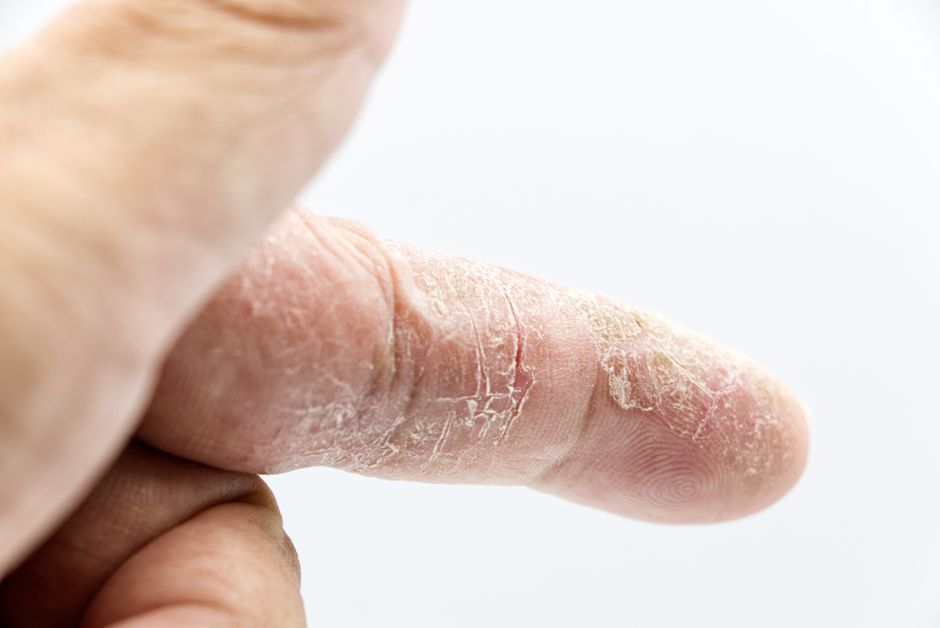
Eczema is not one thing. It is a group of skin conditions that cause red, itchy, inflamed skin. The most common type is atopic dermatitis, which affects over 31 million Americans according to the National Eczema Association. To identify eczema, you look for patches of dry, rough, and intensely itchy skin that come and go in flare-ups. The key signs are persistent itching, redness, and a specific pattern of where the rash appears on the body.
What Does Eczema Look Like on Different Skin Tones?
Eczema does not look the same on everyone. On light skin, it usually appears as red, inflamed patches. On darker skin tones, it often looks darker brown, purple, or gray. The redness can be harder to see on brown or Black skin, which sometimes leads to delayed diagnosis.
Research published in the Journal of the American Academy of Dermatology found that eczema is more common in Black children than in white children, but it is often missed or misdiagnosed. The rash may also feel different. On darker skin, the affected areas can feel rough or leathery rather than just red.
Look for the texture more than the color. If the skin feels sandpaper-like or has small bumps that are the same color as your skin, it may be eczema even without obvious redness. The itching is usually the strongest clue regardless of skin tone.
How To Identify Eczema by Location on the Body
Eczema appears in predictable patterns depending on your age. In infants, it shows up on the face, scalp, and outer arms and legs. Babies often rub their faces against bedding because of the itch. In children, eczema moves to the creases of the elbows and knees, the wrists, and the ankles.
In adults, eczema typically appears on the neck, the inside of the elbows, the backs of the knees, and the hands. Adult-onset eczema can also show up on the eyelids, the genitals, and around the nipples. These are areas where the skin is thinner and more sensitive.
If you have patches only on your hands, it could be hand eczema, which is common in people who wash their hands frequently or work with chemicals. The National Eczema Association reports that hand eczema affects about 10 percent of the population. It looks like dry, cracked, and bleeding skin on the palms and fingers.
What Are the Key Symptoms Beyond the Rash?
Itching is the main symptom. It is often worse at night. Many people scratch so much that they break the skin, which can lead to infection. The itch-scratch cycle is real — scratching feels good temporarily but makes the inflammation worse.
Other symptoms include dry skin, thickened skin from repeated scratching, and small raised bumps that may ooze clear fluid when scratched. In severe cases, the skin can crack and bleed. The oozing is a sign of inflammation, not necessarily infection, though infection can follow.
Some people also develop lichenification, which is skin that becomes thick and leathery from constant scratching. This is a sign of chronic eczema. If you see this, it means the condition has been present for a while without proper treatment.





When Is It Eczema and Not Something Else?
Eczema is often confused with psoriasis, contact dermatitis, and fungal infections. Psoriasis usually has silvery white scales, while eczema has more yellow or crusty scales. Psoriasis also tends to appear on the elbows, knees, and scalp, not in the creases of the body.
Contact dermatitis is caused by touching an irritant or allergen. It looks like eczema but appears only where the skin touched the trigger. If the rash is in a straight line or a geometric shape, it is probably contact dermatitis, not eczema. Poison ivy is a classic example.
Fungal infections like ringworm have a distinct ring shape with clearer skin in the center. Eczema patches are usually more irregular in shape. A simple skin scrape test by a dermatologist can tell the difference. The CDC advises that fungal infections are contagious, while eczema is not.
Here is a quick comparison table to help tell them apart:
| Condition | Key Feature | Common Location | Contagious? |
|---|---|---|---|
| Eczema | Intense itching, dry patches | Creases of elbows, knees, neck | No |
| Psoriasis | Silvery scales, thicker plaques | Elbows, knees, scalp, lower back | No |
| Contact Dermatitis | Rash in a line or shape | Where skin touched the trigger | No |
| Ringworm | Ring-shaped with clear center | Anywhere on body | Yes |
What Triggers Eczema Flare-Ups?
Eczema is not caused by one thing. It is a combination of genetics, immune system overreaction, and environmental triggers. The skin barrier is weaker in people with eczema, so moisture escapes and irritants get in more easily.
Common triggers include dry air, harsh soaps, detergents, wool, synthetic fabrics, stress, sweating, and food allergies. The American Academy of Dermatology states that food triggers are more common in children than adults. Eggs, milk, soy, and wheat are the most common food triggers in children.
Dust mites and pollen can also trigger eczema in some people. The evidence here is mixed. Some studies suggest that allergy shots help, while others show little benefit. If you notice that your eczema gets worse in certain seasons or environments, keeping a symptom diary can help you identify your personal triggers.
How To Identify Eczema in Infants and Young Children
Baby eczema is extremely common. The National Eczema Association says that about 1 in 10 children will develop eczema at some point. In infants, it often starts as red, crusty patches on the cheeks and scalp. It may look like cradle cap, but cradle cap is greasy and yellow while eczema is dry and red.
Babies cannot tell you they are itchy, so look for signs like rubbing their face on surfaces, being fussy during sleep, or scratching at their skin. The rash may come and go. Some babies outgrow eczema by age 5, but many continue to have sensitive skin into adulthood.
If your baby has eczema, avoid over-bathing. The American Academy of Pediatrics recommends short warm baths followed by immediate moisturizing. Harsh baby wipes and fragranced lotions can make eczema worse. Stick to plain water and fragrance-free products.
What Treatments Actually Work?
Treatment starts with moisturizing. Thick creams and ointments work better than lotions because they have less water and more oil. Apply moisturizer within three minutes of bathing to lock in moisture. This is called the soak and seal method and is recommended by dermatologists.
For mild eczema, over-the-counter hydrocortisone cream can reduce inflammation. Use it only for short periods. For moderate to severe eczema, prescription topical steroids or non-steroid creams like tacrolimus are more effective. Some people worry about steroid side effects, but when used correctly under a doctor’s care, they are safe.
Wet wrap therapy can help during severe flare-ups. This involves applying moisturizer and a topical steroid, then wrapping the area with wet bandages and dry bandages on top. It is messy but effective. The CDC notes that wet wraps should only be done under medical supervision because of the risk of infection.
Here are some practical steps summarized:
- Moisturize daily with a thick cream or ointment
- Use fragrance-free soaps and detergents
- Take short lukewarm baths, not hot showers
- Pat skin dry, do not rub
- Wear soft cotton clothing, avoid wool
- Keep fingernails short to reduce scratching damage
What Does Research Say About Long-Term Management?
Research shows that eczema is a chronic condition with no cure, but it can be managed well. A study published in the Journal of Allergy and Clinical Immunology found that consistent moisturizing reduced flare-ups by 50 percent in children. The same study found that early treatment of flare-ups with topical steroids prevented worsening.
Dupilumab, a newer injectable medication, has shown strong results for moderate to severe eczema. Clinical trials found that about 40 percent of patients had clear or almost clear skin after 16 weeks of treatment. This is a significant improvement over older treatments.
Some people report that probiotics help, but the evidence is weak. A 2023 review in the Cochrane Database of Systematic Reviews found no clear benefit of probiotics for preventing or treating eczema. The same is true for most herbal remedies. Some people report relief from coconut oil or oatmeal baths, but strong clinical evidence is limited.
Common Misconceptions About Eczema
One common myth is that eczema is caused by poor hygiene. This is false. Eczema is an immune and skin barrier problem, not a cleanliness issue. Over-washing can actually make it worse.
Another myth is that eczema is contagious. It is not. You cannot catch eczema from someone else. This misconception causes unnecessary social stigma, especially for children with visible rashes.
Some people believe that eczema always goes away after childhood. While many children do outgrow it, about 50 percent continue to have symptoms into adulthood according to the National Eczema Association. It may become milder, but it rarely disappears completely.
Frequently Asked Questions
Can eczema appear on the scalp?
Yes, eczema can appear on the scalp, especially in infants and adults with seborrheic dermatitis. It looks like dry, flaky patches that may be itchy.
Is eczema the same as a skin allergy?
No, eczema is a chronic inflammatory condition, not a simple allergic reaction. Allergies can trigger eczema flare-ups, but they are not the same thing.
How long does an eczema flare-up last?
A flare-up can last from a few days to several weeks depending on treatment and triggers. With proper moisturizing and medication, most flare-ups improve within one to two weeks.
Can stress cause eczema?
Stress does not cause eczema, but it can trigger or worsen flare-ups. Managing stress through sleep, exercise, or relaxation techniques may help reduce flare frequency.
