
Most bug bites look similar at first: a red, itchy bump. But small differences in appearance, pattern, and timing can tell you which insect bit you. Start by looking at the bite itself. Then consider where you were and what time of day the bite appeared. This step-by-step guide walks you through the process of identifying common bug bites so you can decide whether home care is enough or whether you need medical attention.
What Does the Bite Look Like?
Shape and color matter. A single red bump with a tiny puncture point in the center is the classic mosquito bite. It swells quickly and itches intensely for a day or two. Mosquito bites usually appear as isolated bumps, though you can get several if you were outdoors at dusk.
Bed bug bites look different. They often appear as small, flat or slightly raised red welts. The key clue is the pattern. Bed bugs tend to bite in a line or a cluster of three — sometimes called “breakfast, lunch, and dinner.” The bites are commonly found on areas of skin exposed while sleeping: arms, shoulders, neck, and legs.
Flea bites are tiny, red spots with a bright red halo. They are most often found around the ankles and lower legs. Flea bites itch intensely and frequently appear in groups of three or four. If you have pets, fleas are a strong possibility.
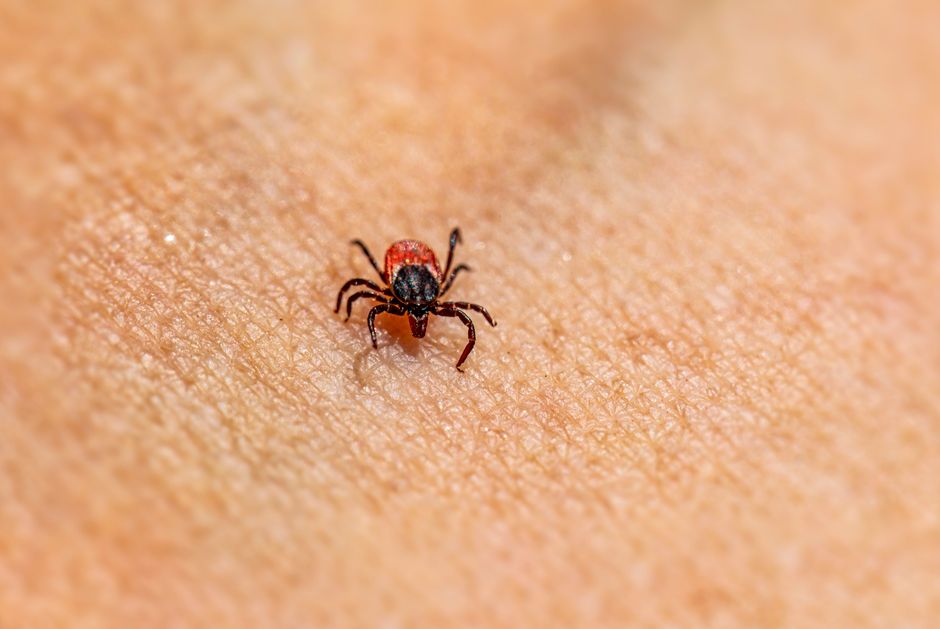
Tick bites are usually painless at first. The tick itself may still be attached when you notice it. After removal, a red ring can develop around the bite area. A distinctive “bullseye” rash — a red center with a clearing and a red outer ring — can appear with Lyme disease, though not everyone with Lyme develops this rash pattern.
Where on Your Body Is the Bite?
Location is one of the strongest clues. Mosquitoes bite wherever skin is exposed. Bed bugs bite exposed skin while you sleep. Fleas target the lower legs and feet. Ticks attach anywhere but prefer warm, hidden areas: behind the knees, in the armpits, in the groin, along the hairline, and behind the ears.
Chigger bites concentrate where clothing fits tightly against the skin. The waistline, sock line, and underarm areas are common. Chigger bites cause intense itching and often appear as clusters of small red bumps within a few hours of being outdoors in grassy or wooded areas.
Spider bites are less predictable. Most spider bites cause a single red bump that resembles a mosquito bite. The bites of the brown recluse and black widow spiders are the exceptions. A brown recluse bite can develop a blister that turns dark and ulcerates over several days. A black widow bite may show only tiny red marks but causes severe muscle cramps and abdominal pain within hours.
When Did the Bite Appear?
Timing helps narrow the list. Mosquito bites itch within minutes of the bite. Bed bug bites often take a few days to appear — sometimes up to a week. This delay confuses people because the bites show up long after the night they were actually bitten.
Flea bites become itchy within minutes to hours. Chigger bites typically start itching within 3 to 6 hours but can take up to 24 hours. Tick bites are painless and may not be noticed for days, especially if the tick was small or in a hidden area.
If you wake up with bites that were not there the night before, bed bugs are a leading suspect. If you develop bites after gardening or walking through tall grass, chiggers or ticks are more likely.





How Itchy or Painful Is It?
Itch intensity varies by insect. Mosquito, flea, and chigger bites are intensely itchy. Bed bug bites itch moderately. Most spider bites itch or sting mildly. Tick bites rarely itch at all while the tick is attached.
Pain is a different signal. Sharp, immediate pain suggests a bee sting, wasp sting, or ant bite. A black widow spider bite causes a sharp pinprick sensation followed by dull pain that spreads. A brown recluse bite may not hurt at first, but pain develops within 2 to 8 hours and worsens over the next day.
Fire ant bites produce immediate burning pain followed by an itchy blister within a day. The blisters are sterile and should not be popped — breaking them increases infection risk.
Are There Multiple Bites or Just One?
Single bites are typical of mosquitoes and most spiders. Multiple bites in a row or cluster suggest bed bugs. Multiple bites scattered across the lower legs suggest fleas. Multiple bites in a concentrated patch suggest chiggers.
Patterns matter more than the number of bites. Bed bugs rarely bite in random spots. They follow a line because the bug moves along the skin and feeds multiple times. Fleas jump, so their bites are usually scattered but concentrated on the ankles and calves.
If you find multiple bites in a pattern you cannot explain, inspect your sleeping area. Look for blood spots on sheets, dark fecal stains on the mattress seams, or shed bed bug skins. These signs confirm an infestation even if you never see a live bug.
What Other Symptoms Are Present?
Bite appearance alone is not always enough. Other symptoms can point to a specific insect or signal a more serious reaction.
Fever, headache, muscle aches, and fatigue within days of a tick bite warrant medical evaluation. These can be early signs of a tick-borne illness. Save the tick if possible — placing it in a sealed bag or container helps your doctor identify the species and assess risk.
Severe swelling, difficulty breathing, or dizziness after any bite is a medical emergency. These are signs of a serious allergic reaction. Call emergency services immediately. Do not wait to see if symptoms improve.
Signs of infection — increasing redness, warmth, pus, or spreading pain — require medical attention. Scratching breaks the skin and allows bacteria to enter. Keep bites clean and avoid scratching whenever possible.
Common Bug Bites Compared
| Insect | Appearance | Location | Pattern | Onset of Itch |
|---|---|---|---|---|
| Mosquito | Red bump, small puncture point | Any exposed skin | Isolated | Minutes |
| Bed bug | Flat or raised red welts | Arms, shoulders, neck, legs | Line or cluster | Days |
| Flea | Tiny red spot with halo | Ankles, lower legs | Groups of 3–4 | Minutes to hours |
| Chigger | Small red bumps | Waistline, sock line, armpits | Clusters | 3–24 hours |
| Tick | Red ring, possible bullseye | Warm hidden areas | Single | Usually none |
| Spider | Single red bump | Varies | Single | Minutes to hours |
When Should You See a Doctor?
Most bug bites resolve on their own within a week. Over-the-counter hydrocortisone cream and oral antihistamines reduce itching. Cold compresses help with swelling. But some situations require medical care.
Seek medical attention if you develop a fever, headache, or body aches after a bite. These symptoms can indicate a tick-borne illness or an infected bite. Also seek care if a bite becomes increasingly painful, red, warm, or starts draining fluid.
A bite that grows larger over several days — especially one that develops a dark center or ulcer — needs prompt evaluation. This pattern can occur with a brown recluse spider bite. The sooner treatment begins, the better the outcome.
If you experience hives, facial swelling, trouble breathing, or dizziness, call emergency services immediately. These are signs of anaphylaxis, a severe and potentially life-threatening allergic reaction.
How To Prevent Bug Bites
Prevention is more effective than treatment. Use an EPA-registered insect repellent containing DEET, picaridin, or oil of lemon eucalyptus when spending time outdoors. Apply it to exposed skin and reapply according to the product label.
Wear long sleeves and long pants in wooded or grassy areas. Tuck pants into socks to reduce tick exposure. After outdoor activity, check your entire body for ticks — including the scalp, behind the ears, and in skin folds.
To prevent bed bugs, inspect hotel mattresses and headboards when traveling. Keep luggage off the floor and on a rack. Wash and dry clothing on high heat after returning from trips. To prevent fleas, treat pets with veterinarian-approved flea prevention year-round.
No repellent is 100% effective, and no prevention method eliminates all risk. But these steps substantially reduce your chances of being bitten.
Frequently Asked Questions
How can I tell a mosquito bite from a bed bug bite?
Mosquito bites are isolated, itchy bumps that appear within minutes. Bed bug bites appear in lines or clusters, often on areas exposed while sleeping, and may take days to become visible.
What does a tick bite look like after the tick is removed?
A small red bump or ring may remain after tick removal. A bullseye rash — red center, clear ring, outer red ring — can appear with Lyme disease, but not everyone develops it.
When should I worry about a spider bite?
Worry if a bite develops a dark center, ulcerates, or grows larger over several days. Severe muscle cramps, fever, or spreading pain also require prompt medical attention.
How do I know if a bite is infected?
An infected bite becomes increasingly red, warm, painful, or starts draining pus. Redness spreading outward from the bite is a warning sign that needs medical evaluation.
