
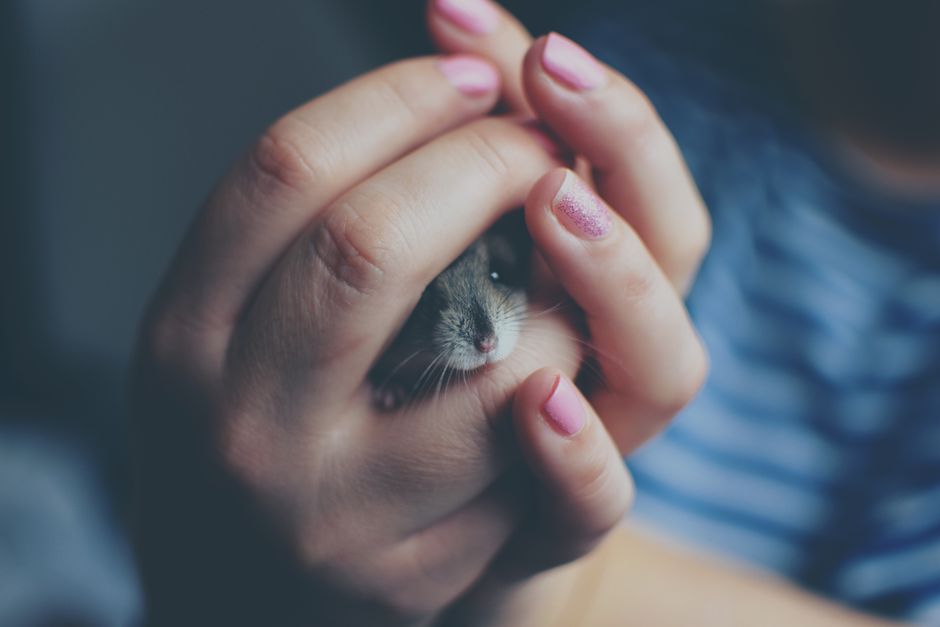
A hamster scratching more than usual can be the first sign of a skin problem. Skin infections in hamsters are common, but they are treatable when caught early. To identify a skin infection, look for hair loss, red or flaky skin, scabs, and visible irritation. Treatment requires a visit to a veterinarian who specializes in exotic pets, as most hamster skin issues need prescription medication and cannot be safely treated with home remedies.
What Causes Skin Infections in Hamsters?
Several different things can cause skin problems in hamsters. The most common cause is a parasite called mites. These tiny bugs burrow into the skin and cause intense itching. Another frequent cause is a fungal infection, often called ringworm, which creates circular patches of hair loss.
Bacterial infections can also occur, usually developing in a small cut or scratch that becomes infected. Allergies to bedding material or food are less common but still possible. In older hamsters, tumors or hormonal imbalances can sometimes cause skin changes.
Identifying the exact cause matters because treatment differs. Mites need antiparasitic medication. Fungal infections need antifungal drugs. Bacterial infections need antibiotics. Using the wrong treatment will not help and can delay healing.
What Does a Hamster Skin Infection Look Like?
The signs of a skin infection are usually visible if you know what to look for. Hair loss is often the first noticeable sign. You might see bald patches on the back, belly, or legs. The skin underneath may look red, inflamed, or scaly.
Scabs and crusts can form where the hamster has been scratching. You may also notice dry, flaky skin that looks like dandruff. In some cases, small red bumps or pimples appear. The affected areas may look greasy or moist if a bacterial infection is present.
Behavior changes matter too. A hamster with a skin infection will scratch more than usual. It may rub against cage bars or bedding to relieve itching. Some hamsters become restless or irritable. Others lose their appetite because they feel unwell.
Ringworm has a distinctive look. It causes round, red patches with a crusty edge and hair loss in the center. However, do not assume a skin issue is ringworm based on appearance alone. Many skin conditions look similar, especially in the early stages.
How To Identify A Hamster Skin Infection
Start by gently examining your hamster in a well-lit room. Hold it securely with a towel if it squirms. Look closely at areas where hair loss or redness appears. Check the ears, face, belly, and the base of the tail. These are common spots for mite infestations.
Run your fingers gently through the fur to feel for bumps, scabs, or rough patches. Look for tiny moving specks, though mites are usually too small to see with the naked eye. Excessive scratching is a strong clue, but it does not confirm a diagnosis.
The only way to know for certain what is causing the problem is to have a veterinarian examine your hamster. Vets use a method called skin scraping. They gently scrape the top layer of skin and examine it under a microscope. This test can identify mites, fungal spores, or bacteria. A fungal culture may also be used to confirm ringworm.
Do not try to diagnose the infection yourself. Multiple conditions share similar symptoms. A skin scraping is quick, painless, and the most reliable way to get an accurate diagnosis.





Can You Treat a Hamster Skin Infection at Home?
No safe home treatment exists for hamster skin infections. Over-the-counter creams and ointments meant for humans or dogs can be toxic to hamsters. Their skin is thin and highly sensitive. They groom themselves constantly, meaning they will ingest anything you apply to their fur.
Some online sources suggest bathing hamsters with special shampoos or applying diluted essential oils. These methods are not supported by veterinary evidence and can cause serious harm. Essential oils are particularly dangerous for small animals.
Improving cage hygiene can help prevent reinfection after treatment. Remove soiled bedding, clean the cage thoroughly, and replace bedding with a fresh, dust-free option. But cleaning alone will not cure an active infection.
The safest action you can take at home is to isolate the affected hamster from other hamsters to prevent the infection from spreading. Then make an appointment with a veterinarian.
What Treatments Do Veterinarians Use?
Treatment depends on the underlying cause. For mite infestations, vets typically prescribe antiparasitic medication. This may be given as an oral liquid, an injection, or a topical drop applied to the back of the neck. Ivermectin is commonly used, but the specific drug and dose must be determined by a vet based on your hamster’s weight.
Fungal infections are treated with antifungal medications. These can be given orally or applied as a medicated cream. Treatment usually continues for several weeks, even after symptoms improve. Stopping early can cause the infection to return.
Bacterial infections require antibiotics. The type of antibiotic depends on the bacteria present. Some antibiotics that are safe for other animals are dangerous for hamsters. This is another reason why professional guidance is essential.
Treatment duration varies. Mite infestations often improve within a few weeks. Fungal infections may take longer. Your vet will likely schedule a follow-up visit to confirm the infection has cleared.
How To Prevent Skin Infections in Hamsters
Good husbandry prevents most skin problems. Keep the cage clean and dry. Remove soiled bedding at least once a week and do a full cage clean monthly. Ammonia from urine can irritate skin and make infections more likely.
Choose bedding carefully. Avoid cedar and pine shavings, which contain oils that can irritate a hamster’s skin and respiratory system. Paper-based bedding is generally safer and less irritating.
Provide a balanced diet. Nutritional deficiencies can weaken the skin barrier and make infections more likely. Fresh water should always be available. Stress also plays a role. Hamsters kept in noisy or crowded environments may have weaker immune responses.
Quarantine new hamsters before introducing them to existing ones. Skin parasites can spread quickly between animals. A two-week isolation period allows you to observe for signs of illness before close contact.
When Should You See a Veterinarian?
See a vet as soon as you notice any signs of a skin problem. Hamsters are small and their health can decline quickly. A condition that looks minor today can become serious within days. Hair loss, persistent scratching, red skin, or visible sores all warrant a veterinary visit.
Seek immediate care if your hamster stops eating or drinking, becomes lethargic, or has open wounds. These signs suggest the infection has progressed or a secondary problem has developed. Skin infections that spread to deeper tissues can become dangerous.
Find a vet who treats exotic pets. Not all general veterinarians have experience with hamsters. Exotic pet vets understand hamster physiology and know which medications are safe. Call ahead to confirm they accept hamsters as patients.
Do not wait to see if the condition resolves on its own. Skin infections in hamsters rarely clear up without treatment. Early intervention leads to faster recovery and less discomfort for your pet.
Can Skin Infections Spread to Humans?
Some hamster skin infections can spread to people. Ringworm is zoonotic, meaning it can pass from animals to humans. If your hamster has ringworm, handle it with gloves and wash your hands thoroughly afterward. Children and people with weakened immune systems should avoid contact until the infection clears.
Certain types of mites can also temporarily affect humans, causing itchy red bumps. These mites cannot complete their life cycle on human skin, so the irritation usually resolves on its own once the hamster is treated.
Bacterial infections are less likely to spread to healthy individuals but can be a risk for those with compromised immune systems. Always wash your hands after handling a sick hamster and clean any surfaces the hamster has touched.
If you develop a rash or skin irritation after handling a hamster with a skin issue, contact your doctor. Mention that you have a hamster with a skin infection so they can consider zoonotic causes.
Frequently Asked Questions
How do I know if my hamster has mites or just dry skin?
Only a veterinarian can confirm mites through a skin scraping test. Excessive scratching, visible scabs, and hair loss suggest mites, while dry skin usually appears flaky without intense scratching.
Can I use human anti-itch cream on my hamster?
No. Human skin products contain ingredients that are toxic to hamsters and can be fatal if ingested during grooming. Never apply any medication to your hamster without veterinary approval.
How long does it take for a hamster skin infection to heal?
Most mite infections improve within two to three weeks of starting treatment. Fungal infections may take four to six weeks. Healing time depends on the cause and how early treatment begins.
Is a hamster skin infection an emergency?
Not always, but you should see a vet within a few days of noticing symptoms. Seek immediate care if your hamster stops eating, becomes lethargic, or develops open, bleeding sores.
