
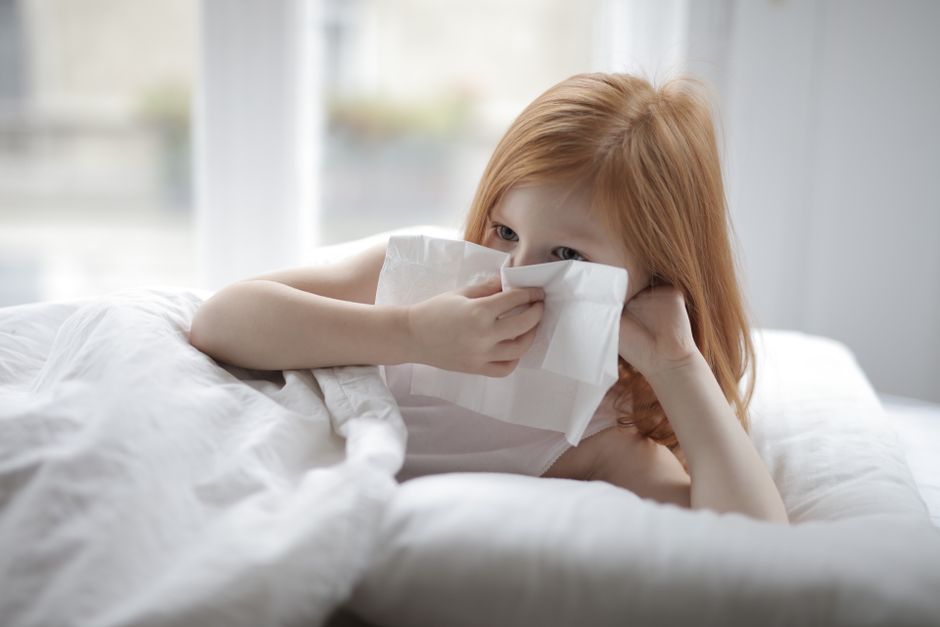
Watching a toddler sneeze, itch, or break out in hives is hard. The good news is that most of the day-to-day work of managing toddler allergies happens at home, and there is a lot you can control. The main strategies are reducing exposure to whatever triggers the reaction, keeping symptoms comfortable with simple measures, and knowing clearly when to call a doctor.
Allergies in toddlers are common. The immune system of a young child sometimes treats a harmless substance — pollen, pet dander, dust mites, certain foods — as a threat. The body releases chemicals like histamine, and those chemicals cause the sneezing, runny nose, itchy eyes, rash, or stomach upset you see. Your job at home is not to cure the allergy. It is to lower the triggers, ease the symptoms, and watch for anything serious.
What Are The Most Common Allergies In Toddlers?
Toddler allergies fall into a few main groups. Knowing which one you are dealing with changes what you do at home.
Food allergies are among the most common in young children. The usual culprits are milk, eggs, peanuts, tree nuts, soy, wheat, fish, shellfish, and sesame. Reactions can range from a mild rash around the mouth to stomach upset to a serious whole-body response. Food allergies are not the same as food intolerances, which do not involve the immune system in the same way.
Environmental allergies show up as ongoing or seasonal symptoms. Indoor triggers include dust mites, pet dander, mold, and cockroach droppings. Outdoor triggers are mostly pollens from trees, grasses, and weeds. A toddler with environmental allergies often has a runny nose, sneezing, and itchy, watery eyes that last longer than a typical cold.
Skin reactions are also common. Eczema, also called atopic dermatitis, is not an allergy by itself, but it often travels with allergies and can flare when a trigger is present. Contact reactions to things like certain soaps, detergents, or metals can cause a local rash too.
One pattern worth knowing: allergies often come in a sequence. A toddler with eczema early on may later develop food allergies, then nasal allergies, then asthma. This is sometimes called the atopic march. Not every child follows it, but it helps explain why one child can have several related conditions.
How Do I Figure Out What My Toddler Is Allergic To?
Finding the trigger is the single most useful step, and it usually starts with a simple symptom diary rather than a test.
Write down when symptoms happen, what your child ate, where they were, and what they touched. Patterns often emerge within a week or two. If symptoms only appear after meals, food is a likely suspect. If they flare during pollen season or after time around a pet, the environment is more likely.
Do not remove foods from a toddler’s diet on your own without guidance. Toddlers have specific nutritional needs, and cutting out major food groups can leave gaps. If you suspect a food allergy, talk to your pediatrician before making changes.
Formal testing exists, but it has limits. Skin prick tests and blood tests can show sensitivity, yet a positive result does not always mean a real reaction will happen. This is a common point of confusion. A test result is one piece of information, read alongside your child’s actual history. An allergist is the right person to interpret it.
For suspected food allergies, a supervised oral food challenge — done by a clinician — is often the most reliable way to confirm or rule out a reaction. This is not something to try at home.
How Can I Reduce Allergy Triggers At Home?
Reducing exposure is the most reliable thing you can do, and it works for both indoor and outdoor triggers.
For dust mites, focus on the bedroom. Wash bedding weekly in hot water. Use allergen-proof covers on the mattress and pillows. Keep stuffed animals to a minimum, or wash them regularly. Lower indoor humidity, since dust mites thrive in damp air.
For pet dander, keeping the pet out of the bedroom helps even if you cannot rehome the animal. HEPA filters and frequent vacuuming with a HEPA vacuum reduce airborne dander. Bathing the pet regularly can lower the dander it sheds.
For mold and pests, fix leaks, run exhaust fans in bathrooms, and clean up food and moisture promptly. Cockroach droppings are a real trigger, so pest control matters.
For pollen, keep windows closed during high-count days, change clothes after outdoor play, and rinse your child off or wipe their face and hair after coming inside. A bath before bed removes pollen that would otherwise land on the pillow.
None of these steps remove every trigger. They lower the total load, which often means fewer and milder symptoms.





What Can I Do To Ease Symptoms When They Flare?
When symptoms do appear, comfort measures and the right over-the-counter options can help — but check with your child’s doctor first, especially for a toddler.
For a runny nose or congestion, saline nasal drops or spray are gentle and widely used. A cool-mist humidifier can ease dry, irritated airways. For itchy eyes, cool compresses help. For skin, fragrance-free moisturizers support the skin barrier and can reduce itching from eczema.
Antihistamines are commonly used for allergy symptoms. Some are available over the counter, but dosing for a toddler depends on age and weight, and not all products are appropriate for young children. Ask your pediatrician before giving any allergy medication to a toddler. Never use a product designed for adults, and never give a child medication to make them sleepy.
For eczema flares, some clinicians recommend short courses of over-the-counter hydrocortisone cream, but for a toddler the strength and duration should be guided by a doctor. Do not apply it to the face or diaper area without medical advice.
Keep a simple symptom and treatment log. It helps you and your doctor see what actually works.
When Should I Call The Doctor?
Some symptoms need medical attention quickly, and a few need emergency care right away.
Call 911 or go to the emergency room if your toddler has trouble breathing, swelling of the lips, tongue, or throat, widespread hives with vomiting or dizziness, or becomes very pale or limp after a possible allergen. These are signs of a severe reaction called anaphylaxis, which is a medical emergency.
Contact your pediatrician if symptoms are ongoing or getting worse, if you are unsure what is triggering them, if a rash is spreading or looks infected, or if your child is not eating or drinking well because of symptoms. Also call if over-the-counter measures are not helping.
Any toddler with a suspected food allergy should be evaluated by a doctor. If an epinephrine auto-injector has been prescribed, learn exactly how and when to use it, and keep it with your child at all times.
Can Toddler Allergies Be Prevented?
Prevention is one area where the guidance has shifted, and it is worth getting right.
Current evidence does not support delaying the introduction of common allergenic foods to prevent allergies. In fact, research has found that early introduction of certain foods, including peanut, can lower the risk of developing that allergy in infants at higher risk. Talk to your pediatrician about the right timing and approach for your child, especially if there is a family history of allergies or your child has severe eczema.
For environmental allergies, there is no proven way to prevent them from developing. Reducing exposure once they exist helps control symptoms, but it does not stop the allergy from forming.
Breastfeeding is associated with a range of health benefits. Whether it prevents allergies is less clear, and the evidence on this point is mixed. Do not treat any single feeding choice as a guaranteed way to prevent allergies.
If you smoke, quitting and keeping a smoke-free home is one of the most protective steps you can take for a child’s breathing and overall health.
Frequently Asked Questions
Can I give my toddler over-the-counter allergy medicine?
Not without checking with your pediatrician first. Dosing for a toddler depends on age and weight, and not all products are safe or appropriate for young children.
How do I know if my toddler has a cold or allergies?
Allergies tend to cause itchy, watery eyes and a runny nose that lasts for weeks without a fever. Colds usually clear within about a week to ten days and often come with a fever or body aches.
Should I remove a suspected food from my toddler’s diet on my own?
No. Removing major foods without guidance can leave nutritional gaps, so talk to your pediatrician before making any changes.
What are the emergency signs of a severe allergic reaction in a toddler?
Trouble breathing, swelling of the lips, tongue, or throat, or widespread hives with vomiting or dizziness require emergency care right away. Call 911 if you see these signs.
