
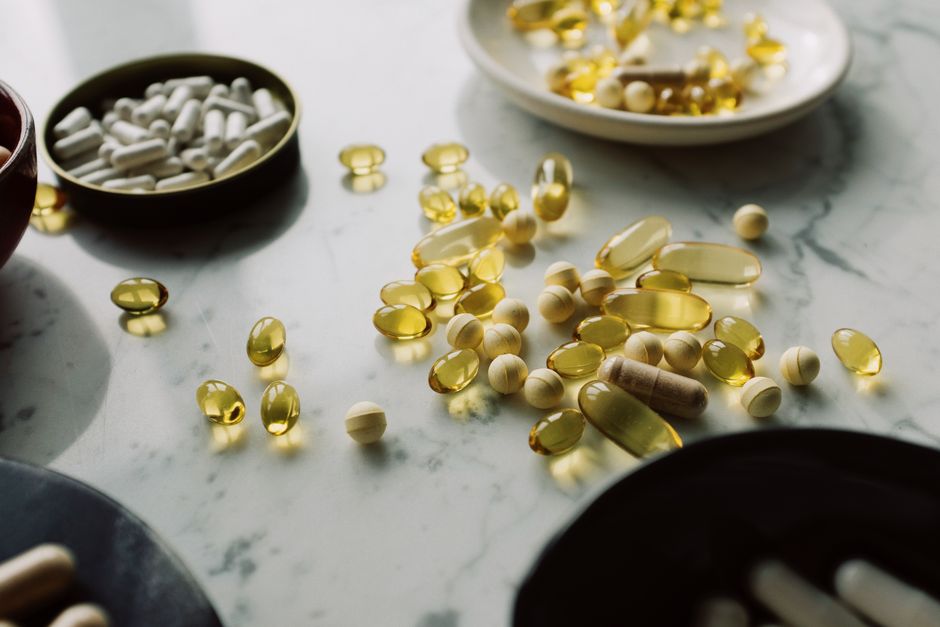
Your liver already does the work. It filters your blood, breaks down fats, stores vitamins and minerals, and processes drugs and toxins — all without you thinking about it. The most effective way to help it function better naturally is to remove the burdens that damage it: excess alcohol, excess body weight, and unnecessary medications or supplements. Beyond that, a balanced diet, regular movement, and avoiding known liver irritants give your liver the conditions it needs to do its job.
There is no cleanse, tea, or supplement that “resets” a healthy liver. The organ regenerates itself. Your job is to stop injuring it.
What Does Your Liver Actually Do?
Your liver is the largest internal organ in your body, weighing roughly 3 pounds in an average adult. It sits in the upper right side of your abdomen, tucked under your rib cage.
It performs hundreds of functions. The main ones include:
- Processing nutrients absorbed from your gut, including converting glucose into glycogen for storage
- Producing bile, which your body needs to digest fats
- Breaking down and clearing medications, alcohol, and other substances from your blood
- Making proteins, including albumin and clotting factors
- Storing iron, vitamin A, and other nutrients
- Removing old red blood cells and recycling their components
One detail worth knowing: the liver has a dual blood supply. The portal vein delivers nutrient-rich blood from your digestive tract, while the hepatic artery supplies oxygenated blood. This setup lets the liver process everything you absorb before it reaches the rest of your body. It is a gatekeeper, not just a filter.
How To Help Your Liver Function Better Naturally?
The single most effective step depends on what is currently stressing your liver. For most people in the US, the biggest controllable factors are alcohol intake, body weight, and certain medications and supplements.
Here is what the evidence supports:
Limit or avoid alcohol
Alcohol is a direct liver toxin. The liver breaks it down into acetaldehyde, a compound that damages liver cells. Heavy drinking over time leads to fat accumulation, inflammation, and scarring. There is no universally “safe” amount of alcohol for liver health. Some evidence suggests even moderate drinking carries risk for people with existing liver conditions. If you have any liver disease, the safest approach is to avoid alcohol entirely.
Maintain a healthy body weight
Excess body fat, especially around the abdomen, is strongly linked to nonalcoholic fatty liver disease (now often called metabolic dysfunction-associated steatotic liver disease, or MASLD). This condition affects a large share of adults in the US. Weight loss of roughly 5% to 10% of body weight has been shown in studies to reduce liver fat and improve liver enzymes. That is one of the few interventions with solid evidence behind it.
Review your medications and supplements
Some medications can stress the liver, including certain pain relievers at high doses. Acetaminophen overdose is a leading cause of acute liver failure in the US. Never exceed the recommended dose. Herbal supplements are a growing concern too. Some, including certain green tea extracts and weight-loss products, have been linked to liver injury. Tell your doctor about everything you take.
Get vaccinated
Vaccines for hepatitis A and hepatitis B are available and effective at preventing viral liver infections. If you are not vaccinated, ask your doctor whether you should be.
Which Foods Support Liver Health?
No single food repairs the liver. But overall dietary patterns matter, and some foods have reasonable evidence behind them.
A Mediterranean-style eating pattern — rich in vegetables, fruits, whole grains, legumes, fish, and olive oil — is the dietary approach most consistently linked with better liver health in studies. It reduces liver fat and inflammation in people with fatty liver disease.
Specific foods with some supporting evidence include:
- Coffee. Regular coffee consumption is associated with lower risk of liver fibrosis and cirrhosis in several large observational studies. The relationship appears consistent, though it is not proof of cause and effect. Decaf may offer some benefit, but the evidence is stronger for caffeinated coffee.
- Oats and other high-fiber foods. Fiber helps with weight management and blood sugar control, both of which affect liver health indirectly.
- Fatty fish. Omega-3 fatty acids may reduce liver fat, though results in trials have been modest.
- Leafy greens and cruciferous vegetables. These are part of an overall healthy diet, though they have not been shown to directly “detoxify” the liver.
What to limit matters more than what to add. Sugary drinks, refined carbohydrates, and highly processed foods contribute to fatty liver disease. Cutting back on these has more impact than adding any single “liver food.”
Do Liver Cleanses and Detox Products Work?
No. There is no clinical evidence that commercial liver cleanses, detox teas, or supplements improve liver function in healthy people. The liver does not need help detoxifying — it is the detoxifying organ.
Some of these products may cause harm. The FDA has warned about supplements marketed for liver health that contain unlisted ingredients or contaminants. A few herbal products have been directly linked to liver injury in case reports and small studies.
The word “detox” has no standard medical meaning. When a product claims to “flush” or “cleanse” your liver, it is using marketing language, not physiology. Your liver clears waste continuously through bile and blood. You cannot speed this up with a tea.
Does Exercise Help Your Liver?
Yes, and the effect is meaningful. Regular physical activity reduces liver fat independently of weight loss. Studies in people with fatty liver disease have found that exercise alone — without significant weight change — can lower liver fat and improve liver enzymes.
Both aerobic exercise and resistance training appear to help. Current physical activity guidelines for adults recommend at least 150 minutes of moderate-intensity activity per week, plus muscle-strengthening activities on two or more days per week. That is a reasonable target for liver health too, though even less activity has some benefit.
What Are the Warning Signs of Liver Problems?
Early liver disease often causes no symptoms at all. That is why it is frequently missed. When symptoms do appear, they can include:
- Fatigue that does not improve with rest
- Pain or discomfort in the upper right abdomen
- Yellowing of the skin or eyes (jaundice)
- Swelling in the abdomen or legs
- Dark urine or pale stools
- Easy bruising or bleeding
- Confusion or difficulty concentrating (in advanced disease)
These symptoms are not specific to liver disease. Many other conditions cause similar problems. If you have any of them, especially jaundice or abdominal swelling, see a doctor promptly. Do not try to manage them at home.
Blood tests can detect liver problems early. Standard liver function tests measure enzymes like ALT and AST, along with bilirubin and albumin. Your doctor can tell you whether testing is appropriate for you.
Can You Prevent Liver Disease?
Many common forms of liver disease are preventable or can be slowed. The main preventable causes are alcohol-related liver disease, fatty liver disease linked to metabolic factors, and viral hepatitis.
What the evidence supports for prevention:
- Keep alcohol intake low or avoid it
- Maintain a healthy weight and waist circumference
- Get tested for hepatitis B and C if you are at risk, and get vaccinated against hepatitis A and B
- Avoid sharing needles or other equipment that can transmit bloodborne viruses
- Use medications as directed, especially acetaminophen
- Be cautious with herbal supplements
- Manage conditions like diabetes and high cholesterol, which affect liver health
Some liver conditions, like autoimmune hepatitis and genetic disorders such as hemochromatosis, are not preventable through lifestyle. They require medical diagnosis and treatment.
When Should You See a Doctor?
See a doctor if you have persistent fatigue, abdominal pain, jaundice, or unexplained changes in appetite or weight. Also see one if you have risk factors for liver disease — heavy alcohol use, obesity, diabetes, or a family history of liver disease — even without symptoms.
Liver disease is often silent until it is advanced. Early detection makes a real difference in outcomes for many conditions. A simple blood test can tell you a lot.
Frequently Asked Questions
What is the fastest way to improve liver health?
Cutting out alcohol and losing excess weight are the two changes with the strongest evidence behind them. Neither works overnight — liver improvements typically take weeks to months of consistent change.
Does drinking lemon water help your liver?
No clinical evidence shows that lemon water improves liver function. Staying hydrated is good for general health, but water with lemon does not detoxify or repair the liver.
Can liver damage be reversed?
Early fatty liver disease and some alcohol-related liver injury can improve or reverse when the cause is removed. Scarring (cirrhosis) is generally permanent, though treating the underlying cause can slow or stop its progression.
How much coffee is good for your liver?
Observational studies link regular coffee drinking — commonly two to three cups per day in the research — with lower risk of liver fibrosis and cirrhosis. This is an association, not proof of cause and effect, and coffee is not a treatment for liver disease.
