
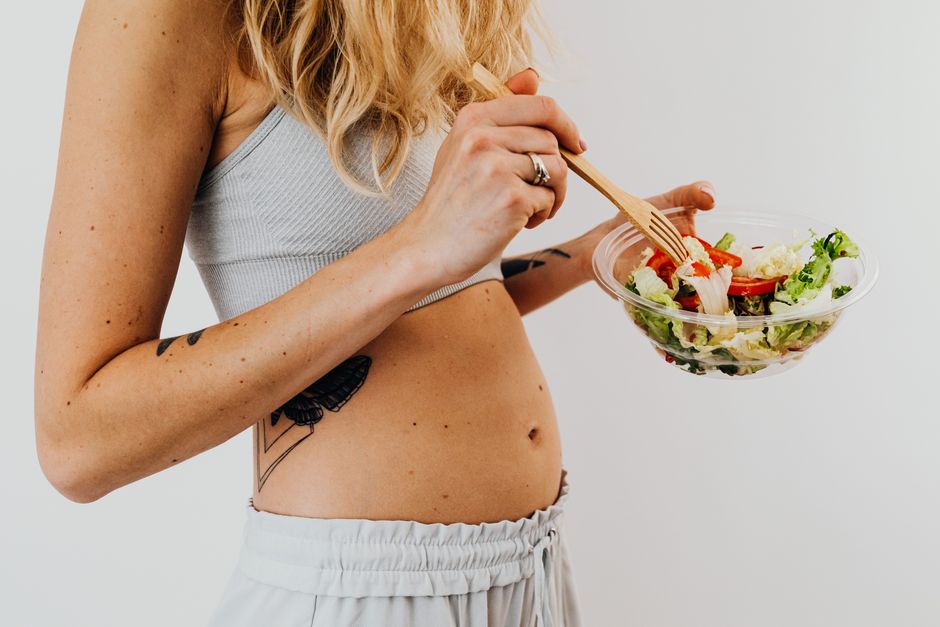
Bloating is one of the most common symptoms of the menstrual cycle. It usually comes from hormone-driven shifts in fluid balance and digestion, not from eating too much. Diet changes, regular movement, and a few targeted habits can reduce how severe it feels. Here is what the evidence supports and what it does not.
Most people who menstruate notice bloating in the days before their period, and it typically eases once bleeding starts. The discomfort is real, but it is rarely a sign that something is wrong. Understanding why it happens makes it easier to manage.
Why Does Period Bloating Happen?
Bloating before a period is driven mainly by hormones, not by food alone. In the second half of the cycle, levels of progesterone rise and then fall. Estrogen also shifts. These changes affect how the body handles sodium and water, and they slow the movement of the digestive tract.
When progesterone is high, the muscles of the gut relax. Digestion slows. Gas and stool move through more slowly, which can create pressure and a feeling of fullness. At the same time, hormone shifts can cause the body to hold onto more water and sodium. That combination — slower digestion plus fluid retention — is what most people feel as period bloating.
There is a detail worth knowing here. The bloating many people describe around their period is not the same as the swelling caused by a serious fluid problem. It is a normal, temporary response to cyclic hormones. It tends to build in the days before bleeding and fade within the first day or two of the period.
How To Help With Period Bloating: Diet Changes
Diet is one of the few levers with real evidence behind it. The goal is not a strict plan. It is reducing the things that add to fluid retention and gas while supporting steadier digestion.
Sodium is the biggest single factor for most people. High-salt meals push the body to retain water. Cutting back on processed foods, restaurant meals, and added table salt in the week before a period is a reasonable step. This is widely recommended by clinicians, though the size of the benefit varies from person to person.
Potassium works in the opposite direction. Foods like bananas, potatoes, spinach, beans, and yogurt provide potassium, which helps the body balance sodium. A diet rich in these foods is generally recommended for overall health, and it may help with premenstrual fluid shifts.
Calcium has some of the better evidence among nutrients studied for premenstrual symptoms. Some research suggests that adequate calcium intake is linked to fewer premenstrual symptoms, including bloating. Dairy, fortified plant milks, tofu, and leafy greens are common sources. If you are considering a supplement, that is a conversation to have with a clinician, since needs and safe amounts vary.
Fiber and fluids support regular bowel movements, which matters because constipation makes bloating worse. Aim for steady fiber from whole foods and drink enough water. Increasing fiber suddenly can itself cause gas, so a gradual increase is easier on the gut.
What to limit, at least in the days before a period:
- Very salty processed and packaged foods
- Carbonated drinks, which add gas directly
- Large amounts of alcohol, which affects hydration and sleep
- Heavy caffeine if it worsens your symptoms, though effects vary
No single food causes period bloating for everyone. Some people find that certain foods — beans, cruciferous vegetables, or dairy — add to their gas. Others notice no difference. Tracking your own pattern for a cycle or two is more useful than following a generic list.
Does Exercise Help With Period Bloating?
Movement helps, and it helps in more than one way. Physical activity stimulates the muscles of the digestive tract, which can move gas and stool along and reduce the pressure that builds up. It also supports circulation and mood, both of which influence how uncomfortable bloating feels.
You do not need intense workouts. Walking, light cycling, swimming, yoga, and stretching are all reasonable. Gentle movement is often better tolerated in the days before a period, when energy can be lower and cramps may be present. There is no evidence that a specific exercise type is best for bloating. The one you will actually do is the one that works.
Some people find that certain yoga poses — twists and forward folds — feel relieving. The evidence for specific poses is limited, but the general benefit of gentle movement for digestive comfort is plausible and commonly reported. If a pose increases pain, stop.
One caution: if you have heavy bleeding, severe cramps, or feel faint, pushing through a hard workout is not the answer. Rest is a legitimate choice. Movement helps many people, but it is not a requirement.

Sleep, Stress, and Other Habits That Matter
Sleep and stress affect the menstrual cycle more than most people realize. Poor sleep and high stress can worsen premenstrual symptoms, including bloating. This is not a vague wellness claim — stress hormones interact with the systems that regulate fluid balance, digestion, and the cycle itself.
Practical steps that tend to help:
- Keep a consistent sleep and wake time
- Get regular movement during the day, not just in the evening
- Limit alcohol and heavy meals close to bedtime
- Use stress-reducing practices that fit your life, such as breathing exercises or time outdoors
These habits do not act on bloating directly. They act on the broader system that sets the stage for it. For some people that makes a meaningful difference. For others it does not, and that is not a personal failing.
When Bloating Is Not Just Your Period
Period bloating is common and usually harmless. But bloating that is persistent, severe, or different from your usual pattern deserves medical attention. That distinction matters.
Talk to a clinician if you notice:
- Bloating that does not ease after your period ends
- Bloating with severe pain, especially pain that is new or worsening
- Bloating with changes in bowel habits that last more than a few weeks
- Bloating with unexplained weight loss or a feeling of fullness after small meals
- Bloating that is much worse than it used to be, cycle after cycle
These signs can point to conditions unrelated to the menstrual cycle, including digestive disorders. Bloating has many possible causes, and a clinician can help sort out which one applies. This is not meant to alarm you. It is meant to make clear that ongoing or unusual bloating is worth checking rather than managing at home indefinitely.
Conditions such as irritable bowel syndrome and endometriosis can both cause bloating that people mistake for ordinary period bloating. Distinguishing between them usually requires a clinical evaluation, not self-diagnosis.
What Does Not Have Strong Evidence
A lot of products are marketed for period bloating. Most do not have strong evidence behind them, and it is worth being direct about that.
Diuretics sold for “water weight” are a category to be cautious with. Some are prescription medications, and using them without medical supervision carries real risks. Herbal “detox” teas and cleanse products have little to no evidence for reducing period bloating, and some can cause digestive upset or interact with medications.
Probiotics are sometimes promoted for bloating. The evidence is mixed and depends heavily on the specific strain and the underlying cause. Some studies suggest benefit for certain digestive conditions, but results for premenstrual bloating specifically are not well established.
If a product promises fast, dramatic relief from period bloating, treat that as a reason for skepticism rather than hope. The measures with the best support are unglamorous: less sodium, adequate fluids and fiber, regular movement, and sleep.
Putting It Together
There is no single fix for period bloating, and anyone who tells you otherwise is overselling. The realistic approach is stacking a few evidence-supported habits: cutting back on salt, eating potassium- and calcium-rich foods, drinking enough water, moving your body gently, and protecting your sleep.
Start these in the week before your period, when bloating tends to build. Give them a cycle or two before deciding whether they help. Bodies differ, and what works for one person may do little for another.
And keep perspective. Period bloating is uncomfortable, but it is usually temporary and tied to a predictable cycle. If it stops being predictable, or stops going away, that is the signal to bring it to a clinician rather than to keep experimenting on your own.
Frequently Asked Questions
How long does period bloating usually last?
For most people it builds in the days before bleeding starts and eases within the first day or two of the period. If it lasts well beyond your period or gets worse over time, that is worth mentioning to a clinician.
Does drinking more water help with period bloating?
Staying well hydrated supports digestion and regular bowel movements, which can reduce bloating. It will not cancel out a high-salt diet, so cutting back on sodium matters too.
What foods should I avoid before my period to reduce bloating?
Very salty processed foods and carbonated drinks are the most common culprits because they add to fluid retention and gas. Alcohol and heavy caffeine affect some people more than others, so tracking your own pattern is more useful than a universal list.
Can exercise make period bloating worse?
Gentle to moderate movement usually helps by stimulating digestion, but intense workouts can feel worse when cramps or fatigue are present. If activity increases your pain, scale back and rest instead.
