
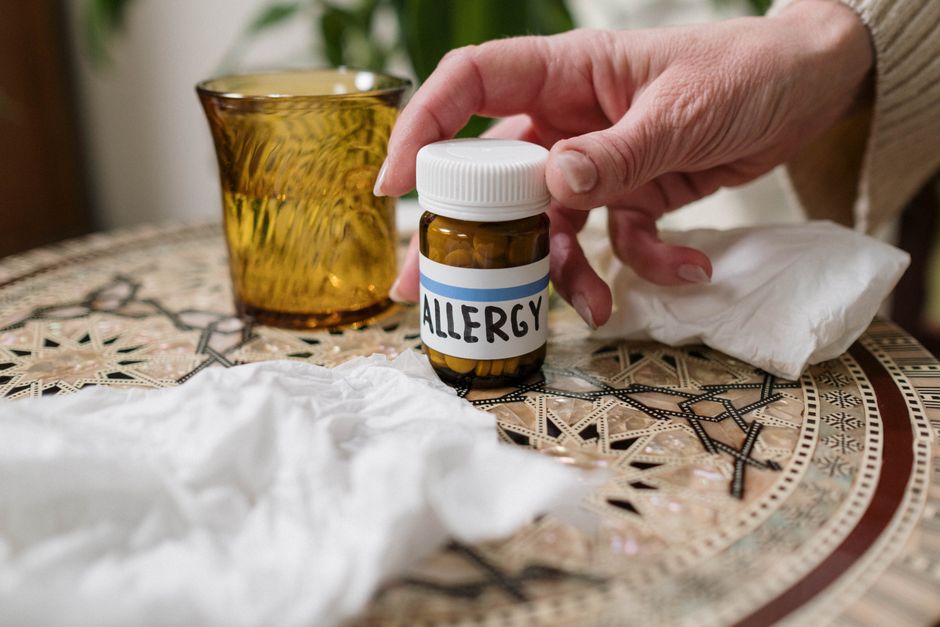
You cannot remove allergens from your world entirely, but you can lower the amount you breathe in and touch at home. The most effective steps are physical, not botanical: keep windows closed during high-pollen periods, wash bedding weekly in hot water, filter the air, and reduce indoor dampness and dust. These measures can meaningfully reduce symptoms for many people, though they work best alongside, not instead of, medical treatment for moderate to severe allergies.
How To Help With Allergies At Home Naturally?
Start with the air you breathe and the surfaces you touch. Most home allergy strategies target two things: keeping outdoor allergens out and reducing indoor ones like dust mites, mold spores, and pet dander.
Keep windows closed during peak pollen times, which for most plants is morning to midday, and especially on dry, windy days. Pollen counts also spike after rain clears in some seasons, so check local counts if you are sensitive.
Change clothes and shower after spending time outdoors. Pollen sticks to hair, skin, and fabric. Rinsing off before bed keeps it off your pillow.
Wipe down hard surfaces with a damp cloth rather than dry dusting. Dry dusting just lifts particles back into the air where you breathe them.
Wash bedding once a week in water at least 130°F (54°C) to kill dust mites. This temperature threshold is well established for mite control.
None of these steps is dramatic on its own. Combined, they reduce the allergen load in your home enough that many people notice fewer symptoms, especially in the bedroom.
Do Air Purifiers and Filters Really Help Allergies?
Yes, for particles that pass through the filter, and with important limits. A HEPA filter captures a high percentage of airborne particles in the size range that includes pollen, mold spores, and much of pet dander. That part is well documented.
The limit is what filters cannot do. Dust mites are heavy and settle into fabric and carpet rather than floating in the air, so a purifier does little against them. Filters also only clean air that actually passes through the unit, so placement and room size matter.
For central heating and cooling systems, use a filter rated MERV 11 to 13 if your system supports it. Higher ratings capture more particles but can restrict airflow. Check your system’s specifications before upgrading, because a filter that is too restrictive can strain the equipment.
A common mistake is running a purifier in a large open room and expecting whole-home results. It works best in a closed bedroom where you spend hours at a time.
How Do You Reduce Dust Mites at Home?
Dust mites are the most common indoor allergen, and they live where humidity and food (skin cells) are plentiful. Controlling moisture and encasing bedding are the two highest-yield steps.
Use allergen-impermeable covers on mattresses, box springs, and pillows. These create a barrier between you and the mites living inside.
Keep indoor humidity between 30% and 50%. Dust mites thrive in higher humidity, and mold does too. A hygrometer is inexpensive and tells you what your home is actually doing rather than what you assume.
- Wash bedding weekly in hot water (at least 130°F or 54°C).
- Reduce clutter that collects dust, especially in the bedroom.
- Vacuum with a HEPA-filter vacuum and wear a mask if you are sensitive.
- Consider removing carpet from the bedroom if symptoms are persistent.
Freezing or washing stuffed toys, and limiting how many live on the bed, can help for children with mite sensitivity.
How Can You Prevent Mold Allergies Indoors?
Fix the water source first. Mold cannot grow without moisture, so no cleaning product or air treatment solves a mold problem while the leak or dampness continues.
Run exhaust fans in bathrooms and kitchens. Wipe up condensation on windows and walls. Repair leaks promptly and dry damp materials within 24 to 48 hours to prevent growth.
Visible mold on hard surfaces can be cleaned with detergent and water. Porous materials like drywall or carpet that have grown mold usually need to be removed rather than cleaned.
The evidence on airborne mold and respiratory symptoms is strong for damp, moldy buildings. If you have a large or persistent mold problem, professional assessment is reasonable, especially if you have asthma or a known mold allergy.
What About Pets and Allergies at Home?
Pet dander is sticky and pervasive. It settles on surfaces and stays airborne for a long time, which is why keeping a pet out of one room can still leave dander there.
If rehoming is not an option, the practical steps are: keep the bedroom pet-free and the door closed, use HEPA filtration, wash hands after contact, and bathe the pet periodically. Some studies suggest washing pets can reduce allergen levels temporarily, but the effect is not dramatic and varies by animal.
There is no truly hypoallergenic dog or cat breed. Allergens come from skin, saliva, and urine, and all breeds produce them. Claims otherwise are marketing, not science.
Do Natural Remedies for Allergies Work?
Some have modest support and some have none. Here is where the evidence stands.
Saline nasal rinses are well supported. Rinsing with sterile, distilled, or previously boiled and cooled water physically removes allergens and mucus. Never use untreated tap water, because of the risk of serious infection.
Nasal steroid sprays are not “natural,” but they are among the most effective treatments for allergic rhinitis and are available over the counter. Many people dismiss them because they take several days to work. They are not a rescue medication.
Local honey is widely promoted and poorly supported. The idea is that trace pollen builds tolerance, but the pollen in honey is mostly from flowers, not the wind-pollinated plants that trigger seasonal allergies. No well-controlled trials confirm it helps.
Butterbur has some clinical trial support for allergic rhinitis, but raw butterbur contains compounds toxic to the liver. Only products labeled free of those compounds (PA-free) should be considered, and even then, check with a clinician first, especially if you take other medications.
Neti pots and nasal irrigation overlap with saline rinses. Clean and dry the device after each use.
For most herbal and supplement claims, the honest position is that evidence is limited or absent. That does not mean they are dangerous, but it does mean you should not expect reliable relief.
When Should You See a Doctor for Allergies?
See a clinician if symptoms interfere with sleep, work, or daily life, or if over-the-counter treatments do not control them. Allergy testing can identify specific triggers and guide treatment.
Get urgent care for trouble breathing, throat tightness, or swelling of the face or lips. Those are signs of a severe reaction and are not something to manage at home.
Home measures reduce exposure. They do not replace medical care for asthma, anaphylaxis risk, or persistent symptoms. Used together, they often make a real difference in how you feel day to day.
Frequently Asked Questions
Does opening windows help or hurt allergies?
It usually hurts during pollen season because it lets outdoor allergens in. Keep windows closed on high-pollen days and ventilate when counts are low, such as after heavy rain.
Can a HEPA air purifier reduce allergy symptoms?
It can reduce airborne pollen, mold spores, and pet dander in the room where it runs. It does little for dust mites, which settle into fabric rather than float in the air.
Does local honey actually help seasonal allergies?
No well-controlled studies confirm it works. The pollen in honey comes mostly from flowers, not the wind-blown plants that trigger most seasonal allergies.
How often should I wash bedding to control dust mites?
Once a week in water at least 130°F (54°C). Pair that with allergen-impermeable mattress and pillow covers for the biggest effect.
