
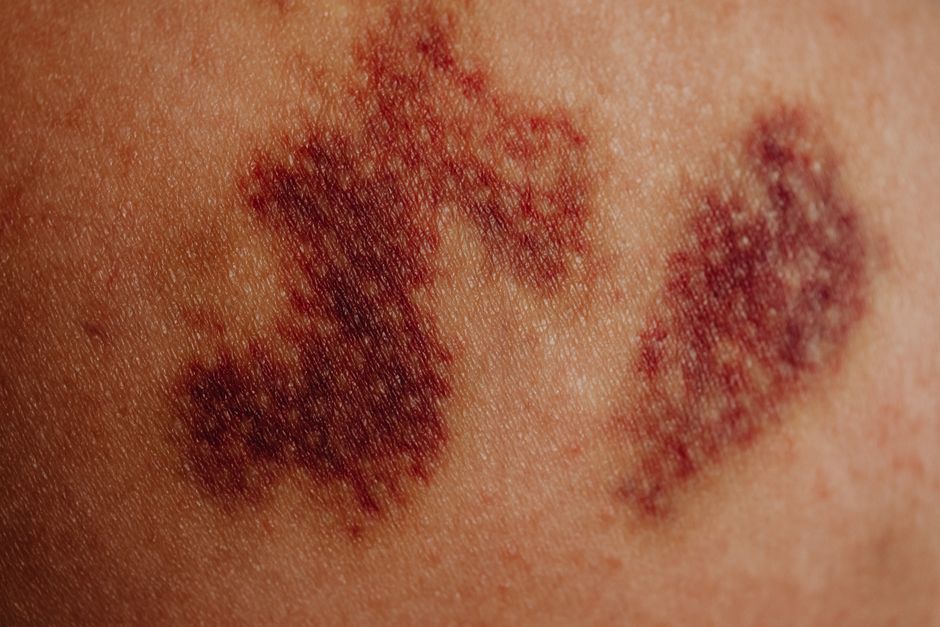
Turf burn happens when skin slides against a synthetic surface and the friction strips away the top layer. The result is a scrape that can look minor but often stings more than a typical cut. Most turf burns heal on their own within one to two weeks with basic wound care. The key steps are cleaning the wound gently, keeping it covered with a non-stick dressing, and watching for signs of infection. Prevention comes down to wearing the right clothing and reducing how much bare skin drags across the surface.
What Exactly Is a Turf Burn?
A turf burn is a friction injury. It is not a burn from heat or chemicals. When skin rubs hard against artificial turf, the friction removes the epidermis, which is the outer layer of skin. Sometimes it goes deeper into the dermis.
Doctors classify this type of injury as an abrasion. The medical term is “friction abrasion” or “friction burn.” It is the same basic injury you get from sliding on a gym floor or falling off a bike onto pavement.
What makes turf burns different from other scrapes is the surface. Artificial turf is abrasive. It also holds onto dirt, rubber pellets, and bacteria. That combination means a turf burn can be more likely to get contaminated than a scrape from clean pavement.
Turf burns range from mild to serious.
- First degree: Redness and soreness, no broken skin
- Second degree: Skin is broken, raw, and weeping
- Third degree: Deeper tissue exposed, may need medical care
Most turf burns athletes deal with are second degree. The skin is open, pink or red, and painful. That is the type this article focuses on.
How Do You Clean a Turf Burn Safely?
Clean the wound as soon as you can after it happens. The longer dirt and turf pellets sit in an open wound, the higher the risk of infection.
Start by washing your hands. Then rinse the wound under cool running water. Use mild soap around the edges of the wound, not directly inside it. Soap in an open wound can irritate tissue and slow healing.
If there is embedded debris, use clean tweezers to remove what you can see. Do not dig into the wound. If you cannot get debris out, that is a reason to see a doctor.
After rinsing, pat the area dry with a clean cloth. Do not rub. Then apply a thin layer of petroleum jelly or an antibiotic ointment. Petroleum jelly keeps the wound moist, which supports healing. Some clinicians recommend antibiotic ointments, though evidence on whether they speed healing compared to plain petroleum jelly is limited.
Cover the wound with a non-stick dressing or gauze. Change the dressing at least once a day, and any time it gets wet or dirty.
Avoid using hydrogen peroxide or rubbing alcohol on the wound. These can damage healthy tissue and slow healing. Plain water and mild soap are enough.
Should You Keep a Turf Burn Covered or Let It Dry Out?
Keep it covered. This is one of the most common mistakes people make with turf burns.
For decades, the advice was to let scrapes “air out” and form a scab. That advice has changed. Research on wound healing shows that a moist environment helps skin cells move across the wound surface and close it faster. A dry scab slows that process and can lead to more scarring.
That does not mean soaking the wound. It means keeping it slightly moist with a thin layer of ointment and a clean dressing.
Change the dressing daily. If the wound is weeping a lot in the first day or two, change it more often. Once the wound stops weeping, you can often leave the dressing on longer between changes.
When the wound starts to close, you may be able to leave it uncovered for short periods. But keep it protected during activity and while it is still open.
How Long Does a Turf Burn Take to Heal?
Most turf burns heal in one to two weeks. Shallow burns that only affect the top layer of skin may close in a few days. Deeper burns that reach the dermis can take two to three weeks or longer.
Healing time depends on a few things:
- How deep the burn is
- Whether it got infected
- Where on the body it is (areas that move a lot heal slower)
- Your overall health
You should see steady improvement each day. The wound should look less red and weep less over time. New pink skin should start to appear at the edges.
If a wound is not improving after several days, or if it is getting worse, that is a sign to get medical care.
What Are the Signs a Turf Burn Is Infected?
Infection is the main risk with turf burns. Artificial turf carries bacteria, and an open wound on a playing field is easy to contaminate.
Watch for these signs:
- Increasing redness or swelling around the wound
- Warmth in the skin around the wound
- Thick yellow or green pus
- A bad smell from the wound
- Pain that gets worse instead of better
- Red streaks spreading from the wound
- Fever or chills
Red streaks and fever are serious. Seek medical care right away if you see them. These can signal that an infection is spreading beyond the wound.
Some skin infections are caused by bacteria that are resistant to common antibiotics. This is one reason not to ignore a wound that is getting worse. A doctor can decide whether antibiotics are needed and which type.
If you have diabetes, a weakened immune system, or poor circulation, take turf burns seriously from the start. These conditions make infection more likely and healing slower. See a doctor early rather than waiting.
How Can You Prevent Turf Burns?
Prevention comes down to reducing friction and protecting your skin. You cannot always avoid sliding, but you can lower the damage when you do.
Wear long sleeves and pants when you play on artificial turf. Compression gear and sliding shorts create a barrier between your skin and the surface. This is the single most effective step.
Keep your uniform fitted. Loose fabric can bunch up and expose skin during a slide.
Use turf tape or padded sleeves on areas that take the most contact, like hips, thighs, and forearms. Some athletes also use a thin layer of skin lubricant or barrier cream on exposed areas, though evidence that these reduce turf burns is limited.
Learn to slide correctly. Proper technique spreads contact over a larger area and reduces the friction on any one spot. Coaches can teach this.
Keep your skin moisturized. Dry skin is more likely to crack and tear. But avoid heavy lotions right before play, since some can make skin tacky and increase friction.
Check the field. Worn or poorly maintained turf can be more abrasive. If the surface is unusually rough, take extra care.
When Should You See a Doctor for a Turf Burn?
Most turf burns can be handled at home. But some need medical attention.
See a doctor if:
- The burn is deep and you can see tissue beneath the skin
- Debris is embedded and you cannot remove it
- The wound is larger than your palm
- You see signs of infection
- The wound is not healing after a week or two
- You have diabetes or a weakened immune system
A doctor can clean the wound, remove debris, and prescribe antibiotics if needed. For deep burns, they may use special dressings that support healing.
Tetanus is worth mentioning. If your tetanus vaccination is not up to date, a dirty wound is a reason to check with a doctor. Tetanus is rare in the US, but it is serious when it happens.
What Should You Avoid Doing to a Turf Burn?
Some common habits make turf burns worse. Knowing what not to do matters as much as knowing what to do.
Do not use hydrogen peroxide or alcohol. They sting and can damage the tissue trying to heal.
Do not pick at the scab. Scabs that form over a healing wound protect new skin. Picking them off reopens the wound and raises the risk of scarring and infection.
Do not let the wound dry out completely. A moist wound heals faster and scars less.
Do not go back to play with an open, uncovered wound on a turf field. Cover it with a waterproof dressing first.
Do not ignore a wound that is getting worse. Infection can spread quickly, and early treatment is easier than late treatment.
Frequently Asked Questions
How long does a turf burn take to heal?
Most turf burns heal in one to two weeks with proper care. Deeper burns that reach the dermis can take two to three weeks or longer.
Should I cover a turf burn or let it dry out?
Keep it covered with a non-stick dressing and a thin layer of ointment. A moist wound heals faster and scars less than one that dries into a hard scab.
What does an infected turf burn look like?
Signs include spreading redness, swelling, warmth, pus, a bad smell, or worsening pain. Red streaks or fever mean you should seek medical care right away.
Can I play sports with a turf burn?
You can often play if the wound is cleaned and covered with a waterproof dressing. Avoid returning to play with an open, uncovered wound on artificial turf.
