
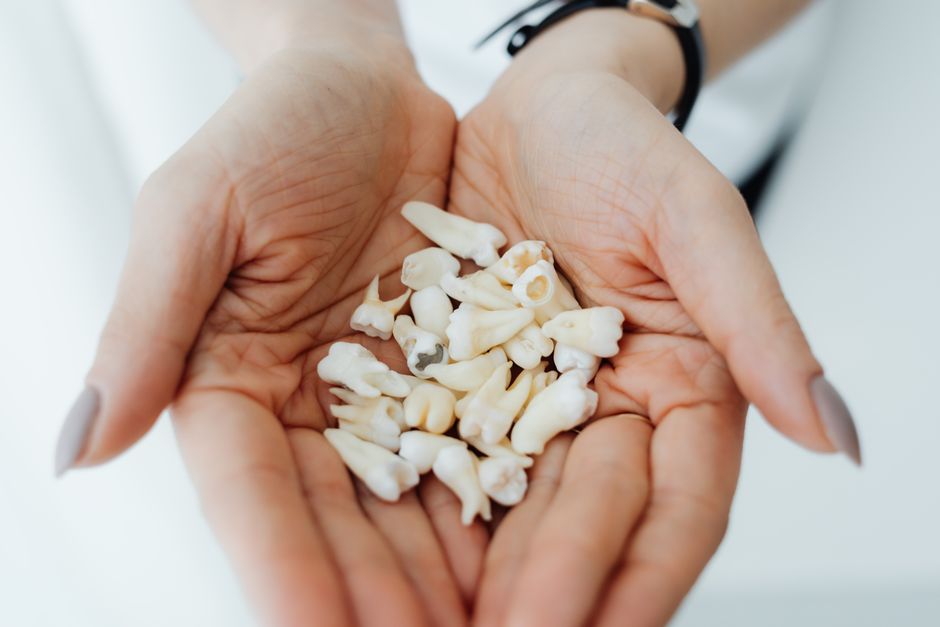
Tooth enamel is the hardest tissue in your body, but it has one weakness that matters more than any other: it cannot grow back. Enamel is about 96% mineral, mostly a calcium phosphate crystal called hydroxyapatite, and the cells that form it disappear before your adult teeth even come in. That single fact shapes everything about keeping it strong. You protect what you have, and you give it the conditions to repair itself at the surface.
That repair is real, and it is the part most people miss. Enamel does not regrow, but it constantly loses minerals and gains them back in a cycle called demineralization and remineralization. Saliva delivers calcium and phosphate to the tooth surface, and fluoride speeds that rebuilding. When the balance tips toward loss, enamel weakens. When it tips toward repair, early damage can reverse. Your daily habits decide which way it tips.
What Actually Damages Tooth Enamel?
Enamel breaks down when acid pulls minerals out of it faster than saliva can put them back. That happens two ways: acid from bacteria and acid from what you eat and drink.
Oral bacteria feed on sugar and fermentable carbohydrates and produce acid as a waste product. That acid drops the pH at the tooth surface. Below a certain point, the mineral in enamel starts dissolving into the surrounding fluid. This is the basic mechanism behind cavities, and it is well established.
Dietary acid works directly. Citrus, soda, sports drinks, and wine all sit on the acidic side. Frequent sipping keeps the surface bathed in acid and never gives saliva a chance to neutralize it. The pattern matters more than the total amount.
Two other forces wear enamel down mechanically. Attrition is tooth-against-tooth grinding, often during sleep. Abrasion is outside friction, usually from brushing too hard with a stiff brush or too soon after acid exposure. Acid softens the surface mineral briefly, and scrubbing right after can remove more than it would otherwise.
One more factor gets overlooked: dry mouth. Saliva is the delivery system for the minerals that rebuild enamel. When saliva flow drops, from medications, mouth breathing, or certain health conditions, the repair side of the cycle slows down. People with persistent dry mouth have a higher risk of decay for exactly this reason.
How To Help Tooth Enamel Stay Strong And Healthy
The core strategy is to keep the mineral balance tipped toward repair. Everything below works through that single principle.
Use fluoride toothpaste, and do not rinse it away
Fluoride is the most reliable tool for strengthening enamel. It does two things. It binds to the tooth surface and forms a harder mineral that resists acid better than the original. It also speeds remineralization, pushing calcium and phosphate back into early weak spots.
Most dental professionals recommend brushing twice a day with a fluoride toothpaste. After brushing, spit out the excess but skip the water rinse. Rinsing washes away the fluoride that is still working. This is a small habit change with a clear rationale behind it.
Time your brushing around acid
Wait before brushing after acidic food or drink. Acid softens the surface mineral for a short window, and brushing during that window can wear away more enamel. Waiting lets saliva neutralize the acid and the surface harden again. A common guideline is to wait about 30 minutes, though the exact time varies by person and by how much acid was involved.
If you want to act sooner, rinse with plain water or chew sugar-free gum to boost saliva flow. Save the brushing for later.
Change how you drink acidic beverages
How you consume acid matters as much as whether you consume it. Sipping a soda slowly over an hour keeps the tooth surface under acid the whole time. Drinking it with a meal, or finishing it faster, limits the exposure. Using a straw can reduce contact with the front teeth, though it does not eliminate it.
Water is the neutral choice between meals. It also rinses away food debris and supports saliva flow.
Keep saliva flowing
Saliva is not just water. It carries calcium and phosphate, buffers acid, and contains proteins that help protect the tooth surface. Staying hydrated supports all of it. Chewing sugar-free gum after meals is a practical way to stimulate flow when you cannot brush.
If you take medications that dry your mouth, or you have a condition that reduces saliva, talk to a dentist or doctor. This is a real risk factor, not a minor annoyance.
Limit how often sugar hits the teeth
Frequency beats quantity for decay risk. One cookie eaten with a meal is different from the same cookie nibbled across an afternoon. Each sugar exposure feeds the acid-producing bacteria and starts a new acid cycle. Fewer exposures give saliva time to recover the surface between them.
Do not use enamel as a tool
Teeth are not for opening packages, cracking nuts, or biting through hard objects. Enamel is hard but brittle. It can chip or fracture under a sharp, concentrated force, and a fracture is permanent. This sounds obvious and still happens constantly.
Does Enamel Really Regrow?
No. Enamel does not regrow, and no product sold today changes that. Once enamel is physically lost, whether from wear, erosion, or a fracture, the body cannot rebuild it.
This is where a lot of marketing gets loose with language. Products that claim to “regrow” enamel are not doing that. What some fluoride and mineral-based products can do is support remineralization of enamel that is weakened but still present. That is a meaningful difference. A white spot on a tooth, which signals early mineral loss, can sometimes be reversed with fluoride and good habits. A physical hole or a worn-down edge cannot.
The distinction matters because it tells you where your effort pays off. Prevention and early intervention work. Reversing structural loss does not.


Which Habits Wear Enamel Down Without People Noticing?
Several everyday habits cause slow, quiet enamel loss that is easy to miss until it shows up as sensitivity or a change in how teeth look.
- Brushing hard with a stiff brush. This wears enamel at the gum line over years. A soft brush and light pressure clean just as well.
- Constant snacking or sipping. Grazing keeps teeth under repeated acid attack and never lets saliva catch up.
- Frequent acidic drinks. Soda, sports drinks, and citrus juices are common culprits, especially when sipped all day.
- Teeth grinding. Many people grind or clench during sleep without knowing it. A dentist can often spot the wear pattern.
- Dry mouth. Reduced saliva flow removes the repair mechanism. This is often medication-related and worth raising with a clinician.
- Stomach acid exposure. Reflux or frequent vomiting brings strong acid into the mouth and erodes enamel, especially on the back of the teeth. This is a medical issue, not just a dental one.
These add up gradually. Enamel loss is usually painless at first, which is why it goes unnoticed until the surface is already thinner.
What Signs Suggest Enamel Is Weakening?
Enamel has no nerve endings, so early loss does not hurt. The signs show up indirectly. Sensitivity to hot, cold, or sweet foods is common because the layer under enamel, called dentin, is more sensitive once it is exposed. Teeth may look more yellow, since dentin is naturally yellower than enamel and shows through as enamel thins. Edges can look transparent or chipped. Rounded, worn-down surfaces are another clue.
These signs are not specific to enamel loss. Sensitivity and color changes can have other causes, including gum recession, tooth decay, or cracks. A dentist can tell the difference with an exam. If you notice any of these, get it checked rather than guessing.
Does Diet or Supplements Strengthen Enamel?
No supplement has been shown to rebuild enamel, and there is no evidence that calcium pills or special toothpastes regrow lost enamel. The mineral in enamel comes from saliva, applied to the surface, not from the bloodstream in a way that rebuilds the crystal.
Diet supports enamel indirectly. Foods that supply calcium, phosphate, and vitamin D matter for the health of the tooth as a whole and for bone, but they do not replace lost enamel. What helps most is limiting acid and sugar exposure and supporting saliva flow.
Fluoride remains the best-supported agent for strengthening enamel and reducing decay. That conclusion rests on decades of research and is not in serious dispute. Products making broader claims about rebuilding enamel should be viewed with caution until strong human evidence backs them.
When Should You See a Dentist?
See a dentist for regular checkups even when nothing hurts. Early enamel loss and early decay are often invisible to you and easy to catch on an exam. Regular professional care is the standard approach for finding problems while they are still reversible.
Book a visit sooner if you notice new sensitivity, a rough or chipped edge, white spots, or teeth that look more yellow or transparent. Mention grinding, reflux, or dry mouth if any apply, since each changes what your dentist will watch for.
Enamel is a one-time resource. It cannot be replaced by the body, and the damage that builds up is largely permanent. The good news is that the habits that protect it are simple, and most of them cost nothing.
Frequently Asked Questions
Can tooth enamel grow back?
No, enamel cannot grow back once it is lost. It can remineralize at the surface when weakened but still present, which is why early damage is sometimes reversible and structural loss is not.
Does brushing right after eating damage enamel?
It can if the food or drink was acidic, because acid briefly softens the surface mineral. Waiting about 30 minutes lets saliva neutralize the acid before you brush.
Is fluoride toothpaste safe for daily use?
Yes, fluoride toothpaste is recommended for daily use by dental professionals and is well supported by decades of research for reducing decay. Follow the product directions and supervise young children, who should use only a small amount.
Why do my teeth feel sensitive to cold drinks?
Sensitivity often means enamel has thinned or gums have receded, exposing the more sensitive dentin underneath. It can also have other causes, so have a dentist check it rather than assuming.
