
Sore muscles after a workout or a long day of physical work are a normal part of how the body responds to effort. The most reliable ways to help them are gentle movement, adequate sleep, proper hydration, and time. Most exercise-related soreness peaks within one to three days and fades on its own. Nothing you buy will make it vanish faster than your body already plans to.
What Actually Causes Sore Muscles?
Two very different things get called “sore muscles,” and they have different causes.
The first is delayed onset muscle soreness, often shortened to DOMS. This is the aching, tender feeling that shows up hours after exercise and typically peaks around 24 to 72 hours later. It comes from microscopic damage to muscle fibers, especially during movements that lengthen the muscle under load — like lowering a weight slowly, running downhill, or doing a new exercise your body is not used to. That damage triggers a repair process, and the soreness is part of the inflammatory response that goes with it.
The second is acute soreness during or right after activity. This is closer to fatigue and a burning sensation. It is linked to the buildup of metabolic byproducts and the muscle working hard, and it usually settles quickly once you stop.
There is a common myth worth clearing up. Lactic acid is often blamed for soreness that shows up a day or two later. That is not accurate. Lactate clears from the muscle within roughly an hour after exercise. It is not sitting there causing pain two days later. The soreness you feel later comes from the repair process, not from leftover lactic acid.
How To Help Sore Muscles Recover Faster
No method has been shown to erase soreness. What follows are approaches with the best support for easing discomfort and supporting normal recovery.
Gentle movement. Light activity — walking, easy cycling, slow stretching — increases blood flow to the area and can reduce stiffness. Keep it easy. Hard training on sore muscles tends to make things worse, not better.
Sleep. This is the single most underrated recovery tool. Growth hormone release and most tissue repair happen during sleep. Shortchanging sleep slows recovery in ways no supplement can fix.
Hydration and food. Muscles need water, protein, and enough total calories to repair. Dehydration can make soreness feel worse. There is no special “recovery food” that outperforms eating normally and drinking enough.
Time. This is the honest answer most people do not want. Soreness resolves on its own schedule. You can ease the symptoms, but you cannot rush the underlying repair.
Do Ice Baths, Massage, and Foam Rolling Really Work?
These are popular, and the evidence for each is modest at best. They can help you feel better. They do not appear to speed up the actual repair of muscle tissue.
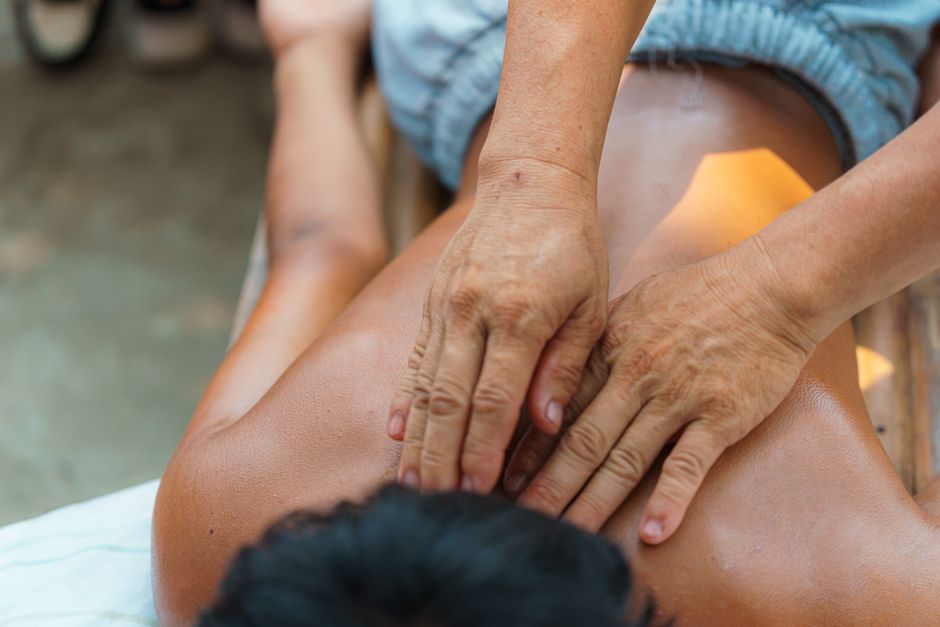
Massage can reduce the sensation of soreness for a while. Some research suggests it may slightly lower perceived pain, but the effect is temporary and does not change how quickly the muscle recovers.
Foam rolling is similar. Many people report less tightness and tenderness after rolling. The evidence for a real recovery benefit is limited, and much of the effect may come from the pressure and movement feeling good rather than from a change in the muscle itself.
Cold water immersion — ice baths — can dull pain in the short term. There is an interesting trade-off here. Some research indicates that regularly using cold water right after strength training may slightly blunt muscle growth and strength gains over time. If your goal is building muscle, frequent ice baths after lifting may work against you. If your goal is feeling less sore before your next event, they can help you feel better.
Heat — a warm bath or heating pad — relaxes tight tissue and feels good. It does not repair anything faster, but comfort matters.
Which Supplements Have Real Evidence?
Most soreness supplements are marketing. A few have some research behind them, and it is worth being precise about how much.
- Protein. Adequate protein supports muscle repair. This is well established. It is not a soreness cure, but it is a genuine recovery need.
- Tart cherry and other polyphenol sources. Some studies suggest these may reduce soreness slightly. The evidence is mixed, and effects are small.
- Omega-3 fatty acids. Some research suggests they may modestly reduce soreness. Results vary across studies.
- Branched-chain amino acids (BCAAs). If you already eat enough protein, BCAAs add little. The evidence does not support them as a soreness remedy for most people.
Be cautious with any product claiming to “flush” soreness or speed recovery dramatically. No supplement currently has strong evidence for that. If a label promises fast, guaranteed relief, the claim is running ahead of the science.
When Is Soreness a Warning Sign?
Normal soreness is uncomfortable but manageable. It tends to be symmetrical, affects the muscles you worked, and improves over a few days.
Some situations need medical attention rather than rest and time:
- Severe pain, swelling, or weakness that keeps getting worse instead of better
- Dark, cola-colored urine after intense exercise — this can signal a rare but serious condition called rhabdomyolysis, where muscle breaks down rapidly and can damage the kidneys. This is a medical emergency.
- Soreness with fever, or soreness that does not improve after about a week
- Pain that is sharp, one-sided, or located in a joint rather than the muscle
Rhabdomyolysis is uncommon, but it is the reason extreme exercise in the heat or pushing far past your normal limits deserves respect. If you have those symptoms, seek care right away rather than waiting it out.
Can You Prevent Soreness in the First Place?
You can reduce it, but you cannot eliminate it — and you probably should not try.
Soreness is a sign your muscles are adapting. Chasing zero soreness usually means training too easy to make progress. The practical goal is managing it, not avoiding it.
What helps:
- Build up gradually. Sudden jumps in intensity, duration, or new movements are the biggest cause of bad soreness.
- Warm up. A few minutes of light activity before hard effort prepares the muscles.
- Stay consistent. The “repeated bout effect” is real — the same workout causes far less soreness the second and third time. Your muscles adapt to what you repeatedly ask of them.
- Sleep and eat well. Recovery capacity depends on the basics more than on any gadget.
Stretching before exercise has not been shown to prevent soreness. It can improve flexibility, but it is not a soreness shield.
Frequently Asked Questions
How long do sore muscles last?
Most exercise-related soreness peaks within 24 to 72 hours and eases over the following days. It usually resolves within about three to five days.
Should I work out with sore muscles?
Light movement is usually fine and can help you feel better. Avoid hard training on the same sore muscles until the soreness has largely faded.
Does stretching help sore muscles?
Stretching may feel good and improve flexibility, but evidence does not show it speeds recovery or prevents soreness. Gentle movement helps more than static stretching.
When should I worry about sore muscles?
Seek medical care for severe or worsening pain, swelling, weakness, or dark cola-colored urine. Dark urine after intense exercise can signal rhabdomyolysis, which is a medical emergency.
