
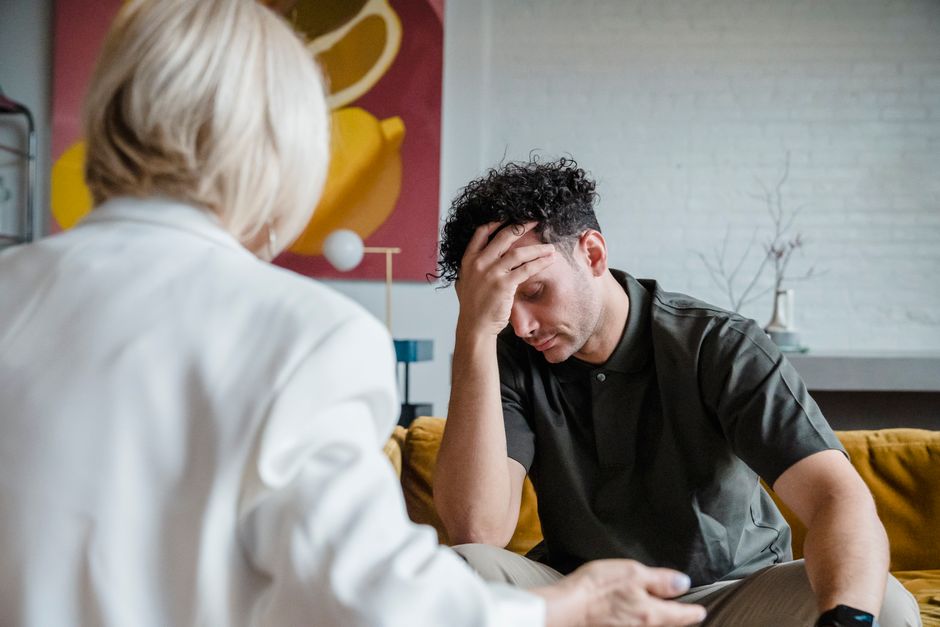
Watching someone you care about pull back from social situations is hard. You want to help, but the wrong move can make things worse. The core of helping someone with social anxiety is to stay calm, listen without judgment, and support small steps at their pace — while avoiding pressure, ridicule, or speaking for them. Below is a clear set of dos and don’ts, grounded in how social anxiety actually works.
What Is Social Anxiety, Really?
Social anxiety disorder is more than shyness. It is a recognized mental health condition marked by intense, persistent fear of being watched, judged, or embarrassed in social settings.
The fear can be so strong that it interferes with work, school, friendships, and daily life. A person may avoid situations entirely or endure them with deep distress. Physical symptoms are common — a racing heart, sweating, trembling, blushing, nausea, or a blank mind.
It usually begins in the teen years, though it can start earlier or later. It affects people of all ages and backgrounds. Roughly 7 percent of US adults experience social anxiety disorder in a given year, according to national survey data. Many go years without telling anyone.
One thing worth understanding: the person is not choosing to avoid you. Their brain is treating social exposure as a genuine threat. That does not make the fear rational, but it does make the reaction real and physical.
How To Help Someone With Social Anxiety: Dos and Don’ts
Small, consistent actions matter more than grand gestures. Here is what tends to help and what tends to backfire.
Do listen without rushing to fix. When they open up, let them finish. Reflect back what you hear. “That sounds exhausting” lands better than a list of solutions.
Do ask what would help. Instead of guessing, ask. “Would it help if I stayed close at the party, or would you rather I check in by text?” Giving them control lowers the threat.
Do support small, agreed steps. Encourage one manageable action at a time — arriving early to a gathering, staying for a short while, saying hello to one person. Build from there.
Do keep your tone steady and warm. Anxiety is contagious and so is calm. A relaxed, matter-of-fact manner helps them settle.
Do respect their pace. Progress is rarely a straight line. A day that goes well may be followed by a hard one.
Don’t force or shame. Pushing someone into a feared situation they are not ready for can deepen the fear. Comments like “just relax” or “you’re being silly” confirm their worst worry — that they are being judged.
Don’t speak for them. Ordering their food or answering questions aimed at them may feel kind, but it can reinforce the idea that they cannot manage.
Don’t make their anxiety the main topic at every turn. Treat them as a whole person, not a problem to be solved.
Don’t compare them to others. “Your sister never had this issue” helps no one.
What Should You Say and What Should You Avoid?
Words shape how safe someone feels. The goal is to show you take their experience seriously without treating them as fragile.
Helpful things to say:
- “I’m glad you told me. That takes courage.”
- “I’m here. You don’t have to go through this alone.”
- “What would make this easier for you?”
- “We can leave whenever you want.”
Things that usually land badly:
- “Just calm down.” (If they could, they would.)
- “Nobody’s even looking at you.” (It dismisses the fear rather than easing it.)
- “You’ll get over it.” (It minimizes a real condition.)
- “Why are you like this?” (It invites shame.)
The difference is not about being perfect. It is about signaling that you are not judging them. That alone can lower the pressure they feel.
How Do You Support Someone at Social Events?
Events are often where anxiety peaks. A little planning goes a long way.
Before the event, agree on a simple plan. How long will you stay? Where will you meet? Is there a quiet spot to step away if needed? Knowing there is an exit reduces the trapped feeling that fuels panic.
At the event, stay nearby without hovering. Include them in conversations naturally rather than spotlighting them. If they go quiet, do not draw attention to it. Let them rejoin when ready.
Afterward, keep it light. Ask how it felt rather than grilling them. Praise the effort, not the outcome. “You came, and that was a big deal” means more than “You were great at talking to everyone.”
One clarification worth making: avoiding all social situations does not protect someone — it tends to shrink their world over time. The aim is gentle, supported exposure, not total sheltering. But that exposure is best guided by a professional when anxiety is significant.
When Should You Encourage Professional Help?
Social anxiety is treatable, and effective help exists. You can be a bridge to it without becoming their therapist.
Encourage professional support if the anxiety:
- Keeps them from work, school, or relationships they value
- Causes frequent panic or physical distress
- Leads to heavy drinking or substance use to cope
- Comes with low mood, hopelessness, or thoughts of self-harm
If there is any risk of self-harm, treat it as urgent and help them reach crisis support right away.
The most studied treatments are cognitive behavioral therapy and certain medications, often used together. Therapy helps people challenge the thoughts and behaviors that keep fear in place. The evidence for CBT for social anxiety is strong and consistent. Medications can reduce symptoms for many people, though response varies and they are prescribed and monitored by a clinician.
When you suggest help, frame it as practical, not as proof something is wrong with them. “There are people who specialize in this and it really helps” is easier to hear than “You need to get help.”
How Do You Take Care of Yourself Too?
Supporting someone with anxiety can wear you down. That is normal, and it does not make you selfish.
Set gentle limits. You can care deeply and still say, “I can’t stay on the phone all night, but I’ll check in tomorrow.” Steady support over time beats burning out fast.
You are not responsible for curing them. Your role is companionship and encouragement, not rescue. Letting go of that pressure helps both of you.
If you are carrying a lot, consider talking to someone yourself. Supporting a person with a mental health condition is easier with your own support in place.
Frequently Asked Questions
What should I not say to someone with social anxiety?
Avoid “just relax,” “nobody is watching you,” or “you’ll get over it,” since these dismiss a real condition and can deepen shame. Instead, acknowledge their experience and ask what would help.
Should I push someone with social anxiety into social situations?
No — forcing a feared situation before someone is ready can strengthen the fear. Support small, agreed steps at their pace, ideally guided by a professional when anxiety is significant.
How can I help a friend with social anxiety at a party?
Agree on a plan beforehand, including how long you will stay and a quiet spot to step away. Stay nearby without hovering and do not draw attention if they go quiet.
When should someone with social anxiety see a professional?
Encourage professional help when anxiety interferes with work, school, or relationships, or causes frequent panic. Seek urgent help right away if there are any thoughts of self-harm.
