
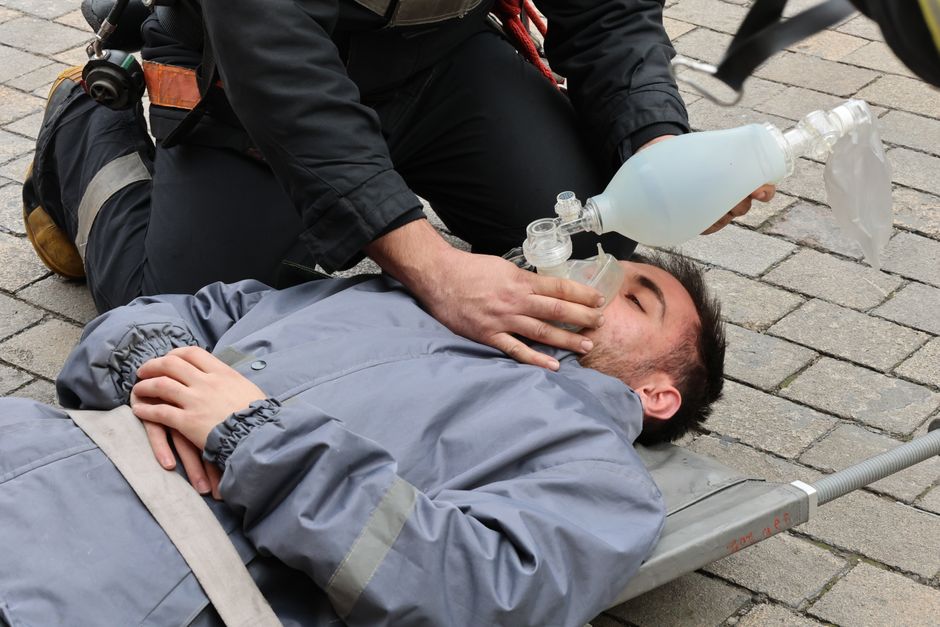
Hypothermia happens when your body loses heat faster than it can produce it, and the core temperature drops below 95°F (35°C). If you find someone who is cold, confused, or shivering uncontrollably, call 911 immediately, move them out of the cold and wind, remove any wet clothing, and wrap them in dry blankets or coats. Handle them gently and do not rub their skin or give them alcohol.
Those steps are the core of hypothermia first aid. The details below explain why each one matters, what to watch for, and where well-meaning help can actually cause harm.
How To Help Someone With Hypothermia First Aid?
Get the person out of the cold, get them dry, and get them warm from the inside out — while you wait for emergency help.
The body loses heat in five main ways: through the skin to cold air, through contact with cold surfaces, through wind, through breathing cold air, and through evaporation of moisture. Wet clothing speeds up heat loss dramatically because water conducts heat away from the body far faster than air does. That is why removing wet clothes is not optional — it is one of the most important steps you can take.
Here is the sequence, in order:
- Call 911. Hypothermia can be life-threatening. Even if the person seems only mildly cold, get professional help on the way.
- Move them to shelter. Get out of wind, rain, or snow. Even a car with the heater on works.
- Remove wet clothing. Cut it off if you have to. Do not make them stand or walk more than necessary.
- Insulate the core first. Wrap the chest, neck, head, and groin. Those areas lose heat fastest.
- Add layers. Blankets, sleeping bags, coats, towels — whatever is dry and available. Cover the head, since a lot of heat escapes there.
- Apply gentle heat to the core. Warm (not hot) compresses or skin-to-skin contact with another person can help. Focus on the chest, neck, and groin — not the arms and legs.
- Give warm, sweet drinks — only if fully alert. Never give anything by mouth to someone who is confused, drowsy, or unconscious.
One point that surprises many people: warming the arms and legs first can actually be dangerous. When cold limbs are warmed, cold blood from the extremities can rush back to the heart and lungs, potentially dropping the core temperature further. This is called afterdrop. Always warm the core first.
What Are the Warning Signs of Hypothermia?
Hypothermia does not announce itself clearly. The person often does not realize what is happening, because confusion is one of the symptoms.
Early signs include shivering, cold pale skin, and numbness. As the core temperature drops further, shivering may stop — and that is a red flag, not a sign of improvement. Other signs include slurred speech, clumsiness, slow breathing, a weak pulse, drowsiness, and confusion or memory loss.
In severe cases, the person may lose consciousness. Their pulse and breathing can become very slow and hard to detect.
Here is a rough guide to how symptoms track with core temperature, based on established clinical classifications:
| Stage | Core Temperature | Typical Signs |
|---|---|---|
| Mild | 90–95°F (32–35°C) | Shivering, alert but uncomfortable |
| Moderate | 82–90°F (28–32°C) | Shivering may stop, confusion, drowsiness, slurred speech |
| Severe | Below 82°F (28°C) | Unconsciousness, very slow pulse and breathing, risk of cardiac arrest |
The key takeaway: if shivering stops but the person is still cold, that is a medical emergency. Do not assume they are warming up.
What Should You Never Do When Someone Has Hypothermia?
Some common first aid instincts can make hypothermia worse. Avoid these:
- Do not rub or massage the skin. Rough handling can push cold blood back toward the heart and trigger dangerous heart rhythms.
- Do not give alcohol. Alcohol widens blood vessels near the skin, which increases heat loss and lowers core temperature further.
- Do not give caffeine. It can raise heart rate and worsen shivering in ways that are unhelpful in this situation.
- Do not use direct high heat. Hot water, heating pads on high, or a fire too close can burn numb skin and cause uneven warming. Warm, not hot, is the rule.
- Do not let them walk or move more than necessary. Physical activity pulls blood to the muscles and away from the core.
- Do not assume they are fine because they say so. Confusion is a symptom. Trust your observations, not their self-report.
If the person is unconscious, check for breathing and a pulse. If they are not breathing and you cannot find a pulse, begin CPR immediately and continue until help arrives. In severe hypothermia, the heart may be beating so slowly that it is very hard to detect — so if you are unsure, start CPR.





When Is Hypothermia a Medical Emergency?
Hypothermia is always a medical emergency. There is no safe at-home version of this condition.
Call 911 if the person is confused, drowsy, unconscious, has stopped shivering, or has slow or irregular breathing. These are signs that the core temperature has dropped into a dangerous range.
Even mild hypothermia — shivering, cold skin, but still alert — warrants a call to emergency services if you cannot get the person warm quickly or if they have other health conditions. Older adults, young children, and people with heart conditions or thyroid problems are at higher risk and can deteriorate faster.
In the hospital, treatment may include warmed intravenous fluids, warmed humidified oxygen, and in severe cases, active internal rewarming techniques. These are not things you can replicate at home. That is why getting the person to emergency care matters even if they seem stable.
Who Is Most at Risk for Hypothermia?
Anyone can develop hypothermia if exposed to cold long enough, but some people are far more vulnerable.
Older adults lose body heat faster and may have reduced ability to sense cold. Infants and young children have more surface area relative to their body weight, so they lose heat more quickly. People who are homeless or who work outdoors face prolonged exposure.
Certain medical conditions increase risk. An underactive thyroid, diabetes, and heart disease can all affect the body’s ability to regulate temperature. Some medications — including certain antidepressants, antipsychotics, and sedatives — can interfere with temperature regulation or reduce awareness of cold.
Alcohol and drug use are major risk factors. Alcohol impairs judgment and increases heat loss. Someone who is intoxicated may not realize they are getting cold or may fall asleep in a cold environment.
People who are exhausted, dehydrated, or malnourished are also more susceptible because their bodies have less energy to generate heat.
How Can You Prevent Hypothermia in Cold Weather?
Prevention comes down to staying dry, staying covered, and staying aware.
Dress in layers. A moisture-wicking base layer, an insulating middle layer, and a windproof and waterproof outer layer work together far better than one heavy coat. Wool and synthetic fabrics retain heat even when damp; cotton does not.
Cover your head, hands, and feet. Keep your core dry. If you start sweating, remove a layer — sweat is the enemy of warmth because it cools you when you stop moving.
Eat and drink regularly. Your body needs fuel to generate heat. Warm, non-alcoholic, non-caffeinated fluids are best.
Plan ahead. Check the weather, tell someone where you are going, and carry emergency supplies — a blanket, a phone, and a way to start a fire or get shelter — if you are heading into cold or remote areas.
Watch for early signs in yourself and others. Shivering is the body’s first and best warning. If you or someone you are with starts shivering uncontrollably, take it seriously and get warm.
Frequently Asked Questions
Should you rub a person’s skin to warm them up if they have hypothermia?
No. Rubbing or massaging the skin can push cold blood back toward the heart and trigger dangerous heart rhythms. Instead, wrap them in dry blankets and focus on warming the core — chest, neck, and groin.
Can you give a hypothermic person alcohol to warm them up?
No. Alcohol widens blood vessels near the skin, which increases heat loss and can lower core temperature further. Give warm, sweet, non-alcoholic drinks only if the person is fully alert and able to swallow.
What does it mean if a hypothermic person stops shivering?
It means their condition is getting worse, not better. When shivering stops, the core temperature has dropped into a more dangerous range and the body can no longer generate heat by shivering. Call 911 immediately.
Can you treat hypothermia at home?
No. Hypothermia is always a medical emergency. You can begin first aid — move them to shelter, remove wet clothes, wrap them in dry blankets — but you should call 911 and get professional care.
