
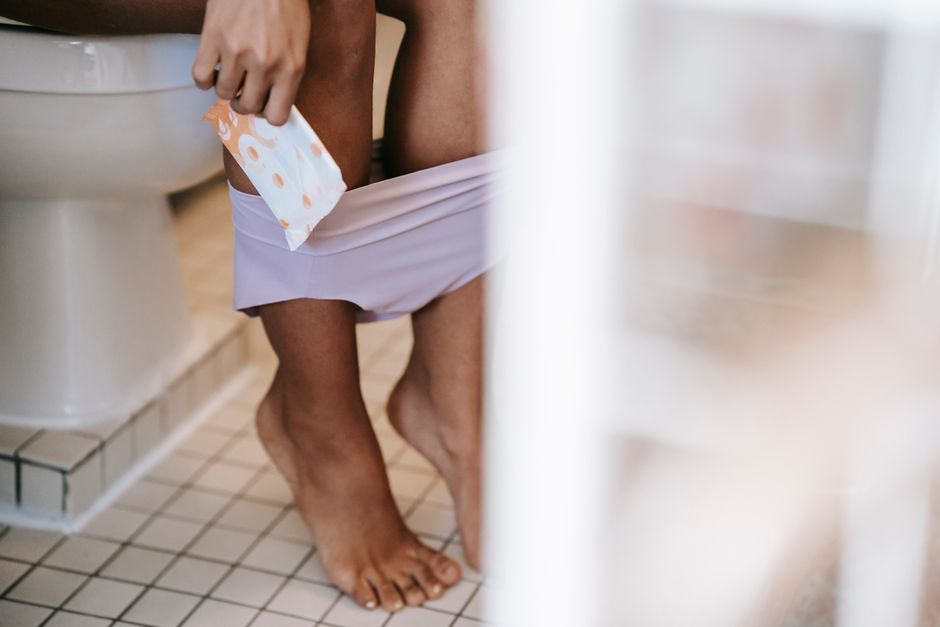
Menstrual cramps come from the uterus contracting, and those contractions are driven by hormone-like compounds called prostaglandins. The most useful thing you can do for someone on their period is practical: offer pain relief options, warmth, food, water, and space — and believe her when she says she hurts. You do not need to fix anything. You need to show up, listen, and make the day a little easier.
Most people who menstruate have been managing period pain their whole adult lives. What helps is rarely a grand gesture. It is a hot water bottle, a quiet room, and someone who does not make it weird.
What Actually Helps Period Cramps?
Nonsteroidal anti-inflammatory drugs (NSAIDs) like ibuprofen are the best-supported first-line treatment for period pain. That is not folklore — it follows directly from what causes the pain.
Prostaglandins trigger the uterine muscle contractions that produce cramps. NSAIDs work by blocking prostaglandin production, which is why they target the cause rather than just masking the sensation. Research consistently shows NSAIDs reduce period pain for most people who take them.
Two practical details matter more than people realize:
- Taking an NSAID at the first sign of cramps or bleeding tends to work better than waiting until pain peaks.
- They work best when taken with food, and they are not appropriate for everyone — people with certain stomach, kidney, or bleeding conditions should check with a clinician first.
Heat is the other reliable option. A heating pad or hot water bottle on the lower abdomen has been studied and does reduce cramp pain for many people. It is simple, cheap, and low-risk.
What is less certain: supplements, herbal remedies, and essential oils marketed for period pain. Some small studies suggest certain options may help, but the evidence is limited and results vary. No clinical evidence currently confirms most of these products work. Do not present them as reliable fixes.
How Can You Support Someone Emotionally During Their Period?
Believe what she tells you about her body. That single response does more than any product you could buy.
Period pain is real pain. It involves the same pain pathways as other visceral pain, and for some people it is severe enough to interfere with work, school, and sleep. When someone says the pain is bad, the useful response is to take it at face value.
Practical emotional support looks like this:
- Ask what would help rather than assuming. “Do you want company or quiet?” is a better question than a guess.
- Do not minimize. Phrases like “it’s just a period” land badly, and they are also inaccurate for people with significant pain.
- Take tasks off her plate without being asked — a meal, a load of laundry, driving the kids somewhere.
- Give space if she wants it. Some people want to be left alone with a heating pad and a closed door.
One clarification worth making: mood changes around a period are common, but they are not universal and they are not an excuse to dismiss someone’s feelings as “hormonal.” If she is irritable, tired, or tearful, that is information, not a punchline.
What Practical Things Can You Do Around the House?
Reduce physical effort and remove small frictions. The goal is to make an ordinary day lighter, not to reorganize her life.
Consider these:
- Keep a heating pad, pain reliever, and water within reach so she does not have to get up repeatedly.
- Handle meals — warm, simple food is often more appealing than anything heavy.
- Take over errands and chores that involve standing or lifting for a day or two.
- Make sure the bathroom is stocked with supplies she uses, so there is no scramble.
- Keep the room comfortable — a blanket, dim light, quiet.
None of this requires medical knowledge. It requires attention.
What Should You Know About Period Products and Hygiene?
Respect whatever product she already uses. Switching products mid-cycle because you read something online is not helpful.
There are real safety points worth knowing, though. Tampons should be changed regularly, and the packaging carries guidance on how often. Leaving a tampon in too long is linked to toxic shock syndrome, a rare but serious bacterial illness. Symptoms include sudden high fever, rash, vomiting, and feeling faint — this is a medical emergency, and the tampon should be removed and urgent care sought.
Pads, menstrual cups, and period underwear each have their own cleaning and changing guidance. Cups and reusable products need washing between uses. If you are helping someone who is new to menstruation — a daughter, for example — the most useful thing is calm, factual information and easy access to supplies.
If she uses a product you are unfamiliar with, ask rather than assume. The right product is the one she is comfortable with.
When Should Period Pain Be Taken More Seriously?
Severe period pain that disrupts daily life is not something to push through silently. It is a reason to see a clinician.
Most period pain is primary dysmenorrhea — pain caused by normal prostaglandin activity, with no underlying disease. But some pain has another cause, including endometriosis, fibroids, or adenomyosis. These conditions are common and often underdiagnosed. The average delay between symptom onset and an endometriosis diagnosis is measured in years, which is one reason it is worth naming.
Encourage a medical appointment if any of these apply:
- Pain that does not improve with over-the-counter pain relievers
- Pain that keeps her home from work, school, or normal activities
- Bleeding that soaks through a pad or tampon within an hour for several hours
- Pain during sex, bowel movements, or urination
- Periods that have suddenly become much heavier or more painful
- Fever, fainting, or severe pain that comes on suddenly
The last item on that list warrants urgent care rather than a routine appointment. Sudden severe pelvic pain can have serious causes.
You are not diagnosing anything by encouraging a visit. You are helping her get an answer.
What Should You Avoid Saying or Doing?
Skip the advice she did not ask for. Most people who menstruate have heard every tip already.
Avoid:
- Telling her the pain is normal and she should push through it.
- Suggesting she just needs to exercise more, lose weight, or change her diet.
- Offering unproven supplements or remedies as if they are sure things.
- Making jokes about PMS or hormones.
- Assuming she wants to talk about it at all.
If you are unsure what to do, ask a direct question: “What would make today easier?” That is almost always the right move.
Does Diet or Hydration Make a Difference?
Staying hydrated and eating regular meals supports how you feel during a period, though the evidence that specific foods reduce cramps is limited.
Some studies suggest adequate hydration and steady blood sugar help with fatigue and headaches that can accompany menstruation. Iron matters too — menstrual bleeding lowers iron stores over time, and low iron can cause tiredness. Foods rich in iron, like lean meat, beans, and fortified cereals, are reasonable to include.
What the evidence does not support is any single food or supplement as a reliable cramp cure. Claims about cutting out entire food groups to fix period pain are not well established. If someone wants to experiment with diet, that is their choice, but do not present it as proven.
Frequently Asked Questions
What is the fastest way to help period cramps?
An NSAID like ibuprofen taken early, plus a heating pad on the lower abdomen, is the best-supported combination for most people. Check with a clinician first if there are stomach, kidney, or bleeding concerns.
Should I tell someone to go to the doctor for period pain?
Yes, if the pain stops her from working, studying, or sleeping, or if over-the-counter pain relievers do not help. Severe or sudden pelvic pain needs urgent care.
Is it okay to leave someone alone during their period?
Yes, if that is what she wants. Ask directly whether she prefers company or quiet rather than guessing.
Do supplements help with period pain?
The evidence is limited and mixed, and no clinical evidence currently confirms most supplements marketed for period pain work. NSAIDs and heat have far stronger support.
