
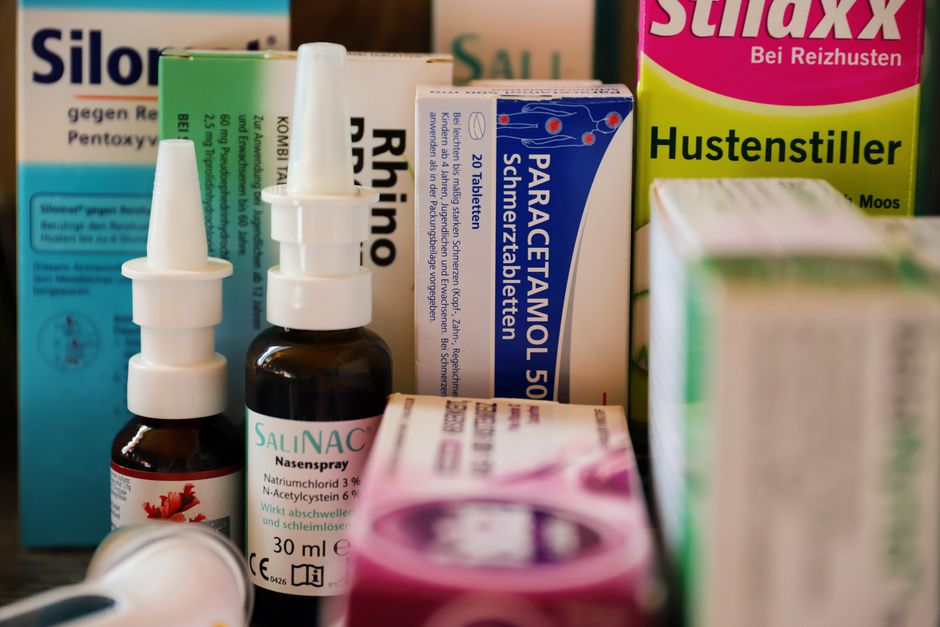
Sinus congestion happens when the tissue lining your nasal passages and sinuses swells and traps mucus. The fastest relief comes from reducing that swelling and thinning the mucus so it can drain. Saline rinses, decongestant sprays used for no more than three days, steam, and keeping your head elevated are the mainstays. Most viral sinus congestion starts improving within a week to ten days without antibiotics.
What follows separates what actually works from what only feels like it should. Some popular remedies have solid evidence behind them. Others are harmless rituals. A few can make things worse if you use them too long.
What Actually Causes Sinus Congestion?
Your sinuses are hollow cavities in the bones around your nose and eyes. They connect to your nasal passages through small openings. The lining of these cavities produces mucus constantly, and tiny hair-like structures called cilia sweep that mucus out toward your throat, where you swallow it without noticing.
Congestion starts when that lining becomes inflamed. The tissue swells, the drainage openings narrow, and mucus gets trapped. This happens with viral infections, allergies, irritants like smoke, and sometimes structural issues like narrow sinus openings or nasal polyps.
Here is something many people get wrong. Congestion is not usually caused by too much mucus. It is caused by swollen tissue blocking the drainage pathways. That distinction matters because it explains why anti-inflammatory approaches and decongestants help while simply blowing your nose harder does not.
The common cold is the most frequent trigger. Most adults get two to four colds a year, and sinus congestion is a normal part of that. Allergies cause the same swelling through a different mechanism — an immune response to pollen, dust, or pet dander.
How To Help Sinus Congestion Fast Relief Tips
Saline nasal rinses are the most reliable first step. They flush out mucus and irritants and help reduce swelling without medication. You can use a squeeze bottle, a neti pot, or a saline spray. The key is using distilled, sterile, or previously boiled and cooled water — never straight tap water. Tap water can carry organisms that cause serious infections, and this is a real risk, not a theoretical one.
Decongestant nasal sprays containing oxymetazoline shrink swollen tissue quickly and work within minutes. The catch is rebound congestion. Used for more than three days in a row, they can cause your congestion to return worse when you stop. That cycle is called rhinitis medicamentosa, and it can be hard to break. Follow the label limit strictly.
Oral decongestants like pseudoephedrine also reduce swelling. They are less targeted than sprays and can raise blood pressure and heart rate. People with hypertension, heart disease, or thyroid problems should check with a clinician before using them. The version sold behind the pharmacy counter is the effective one — phenylephrine taken by mouth has not held up well in studies of nasal congestion.
Steam and humidity can loosen thick mucus. A hot shower or a bowl of hot water with a towel over your head provides temporary relief. The evidence for steam inhalation is not strong, but it is low-risk and many people find it helps.
Keeping your head elevated while you sleep helps drainage. So does staying hydrated, which keeps mucus thinner. These are simple but they matter more than most people expect.
Do Over-the-Counter Medications Really Help?
Some do, some do not, and the difference is worth knowing. Here is how the main categories compare.
- Saline rinses: Good evidence for symptom relief. Safe for regular use.
- Decongestant sprays (oxymetazoline): Effective short-term. Risk of rebound congestion beyond three days.
- Oral decongestants (pseudoephedrine): Effective for congestion. Blood pressure and heart rate effects limit use for some people.
- Oral phenylephrine: Poor evidence for effectiveness when swallowed. Regulators have questioned its benefit.
- Antihistamines: Helpful for allergy-driven congestion. Not helpful for colds and can dry mucus, making it thicker.
- Pain relievers: Do not relieve congestion but ease the facial pressure and headache that come with it.
Antibiotics do not help viral sinus congestion. Most sinus infections are viral, and even many bacterial ones resolve without antibiotics. Using them when they are not needed has real costs — side effects and antibiotic resistance.
What About Home Remedies Like Neti Pots and Steam?
Nasal irrigation with a neti pot or squeeze bottle is one of the better-supported home remedies. Studies have found it reduces symptoms and medication use in people with chronic sinus problems. The method matters. Lean over a sink, tilt your head, and let the solution flow through one nostril and out the other. Breathe through your mouth.
The safety point cannot be overstated. Use only distilled, sterile, or boiled-and-cooled water. Rinsing with untreated tap water has caused severe and sometimes fatal infections. If you boil water, let it cool to lukewarm first. Clean and dry the device after each use.
Steam inhalation provides comfort but the research is mixed. Some studies show modest symptom relief, others show little difference from room-temperature air. It is not harmful, so there is little reason to avoid it if it helps you feel better.
Warm compresses over the cheeks and forehead can ease facial pressure. Spicy foods may temporarily loosen mucus. These are comfort measures, not treatments, and that is fine — comfort has value when you are sick.
When Should You See a Doctor for Sinus Congestion?
Most sinus congestion from a cold improves on its own. Seek medical care if symptoms last more than ten days without improving, or if they seem to improve and then get worse — a pattern that can suggest a bacterial infection.
Other reasons to see a clinician include:
- Fever above 102°F (39°C)
- Severe pain or swelling around the eyes
- Vision changes or swelling that spreads to the forehead
- Symptoms that keep returning
- Congestion on one side only that does not clear
Swelling around the eye or forehead is uncommon but can signal a serious infection spreading beyond the sinuses. That needs urgent evaluation, not home treatment.
People with asthma, weakened immune systems, or a history of frequent sinus infections should have a lower threshold for calling a clinician. So should anyone whose symptoms interfere with sleep or daily life for more than a couple of weeks.
How Can You Prevent Sinus Congestion From Coming Back?
Prevention depends on what is driving your congestion. If allergies are the trigger, reducing exposure to allergens and using appropriate allergy treatment can cut down on sinus symptoms. If colds are the cause, handwashing and avoiding close contact with sick people remain the most reliable measures.
Keeping indoor air from getting too dry helps. Humidifiers can reduce irritation, though they need regular cleaning to avoid growing mold and bacteria. Avoiding cigarette smoke and other irritants matters — smoke directly inflames sinus tissue.
For people with chronic sinus problems, a clinician may recommend daily saline rinses or evaluate for structural issues, polyps, or allergies. Chronic sinusitis is defined by symptoms lasting twelve weeks or longer, and it often needs a different approach than short-term congestion.
One clarification worth keeping in mind: recurring congestion is not simply bad luck. It usually has an identifiable driver — allergies, anatomy, irritants, or repeated infections. Finding that driver is more useful than treating each episode in isolation.
Frequently Asked Questions
How long does sinus congestion usually last?
Viral sinus congestion typically improves within seven to ten days. Symptoms that last longer than ten days without improvement, or that worsen after improving, should be checked by a clinician.
Can I use decongestant spray every day?
No. Decongestant sprays like oxymetazoline should not be used for more than three days in a row because of the risk of rebound congestion. If you need relief beyond that, talk to a pharmacist or clinician about alternatives.
Is it safe to use tap water in a neti pot?
No. Only use distilled, sterile, or boiled-and-cooled water for nasal rinsing. Tap water can contain organisms that cause serious infections.
Do antibiotics help sinus congestion?
Most sinus congestion is caused by viruses, which antibiotics do not treat. Antibiotics are only considered for confirmed or strongly suspected bacterial infections.
