
Shortness of breath is your body telling you that your lungs, heart, or blood cannot keep up with your demand for oxygen. How to help shortness of breath starts with knowing which of those systems is struggling. The right response ranges from simple breathing techniques to calling 911, and telling those two situations apart matters more than any single remedy.
When Is Shortness Of Breath A Medical Emergency?
Call 911 if breathlessness comes on suddenly and severely, or if it comes with chest pain, blue lips or fingertips, confusion, fainting, or difficulty speaking in full sentences. These signs point to a problem that needs emergency care, not home treatment.
Sudden shortness of breath that has no clear cause is treated as an emergency until proven otherwise. The reason is that several life-threatening conditions — a blood clot in the lungs, a heart attack, a collapsed lung, a severe asthma attack, or a serious allergic reaction — can all present this way. Waiting to see if it improves can cost critical time.
Chronic shortness of breath is different. If you have had it for weeks or months and it is stable, it still deserves a medical visit, but it is usually not an emergency. The key word is change. Breathlessness that is new, worsening, or different from your normal pattern needs prompt attention.
Why Does Shortness Of Breath Happen?
Breathlessness happens when the demand for oxygen outstrips what your body can deliver, or when your brain senses that breathing is not working efficiently. The sensation itself is real, even when oxygen levels in your blood are normal.
Your body manages breathing with a control center in the brainstem that monitors oxygen and carbon dioxide levels in your blood. When carbon dioxide rises or oxygen falls, that center signals your lungs to work harder. You feel that as breathlessness. But the feeling can also be triggered by signals from the lungs, chest wall, and blood vessels — not just by low oxygen.
This is why some people feel severely short of breath with normal oxygen readings, and others with low oxygen may not feel it as strongly. The sensation and the measurement are related but not identical.
Common causes fall into a few broad groups:
- Lung conditions such as asthma, COPD, pneumonia, or pulmonary fibrosis
- Heart conditions such as heart failure or coronary artery disease
- Anemia, where red blood cells cannot carry enough oxygen
- Deconditioning, obesity, or poor physical fitness
- Anxiety and panic, which can trigger rapid breathing
- Other causes including thyroid problems, kidney disease, and blood clots
Because so many systems can produce the same symptom, the cause is not always obvious. A doctor often needs tests to sort it out.
What Breathing Techniques Actually Help?
Pursed-lip breathing and diaphragmatic breathing are the two techniques most often taught for managing breathlessness. Both are used in pulmonary rehabilitation programs and are supported by clinical practice, though the evidence for how much they help varies by condition.
Pursed-lip breathing works by slowing your exhale. You breathe in through your nose for about two seconds, then breathe out slowly through pursed lips for about four seconds. The longer exhale helps keep small airways open and can ease the feeling of air hunger. It is often taught to people with COPD, but it can help in other situations too.
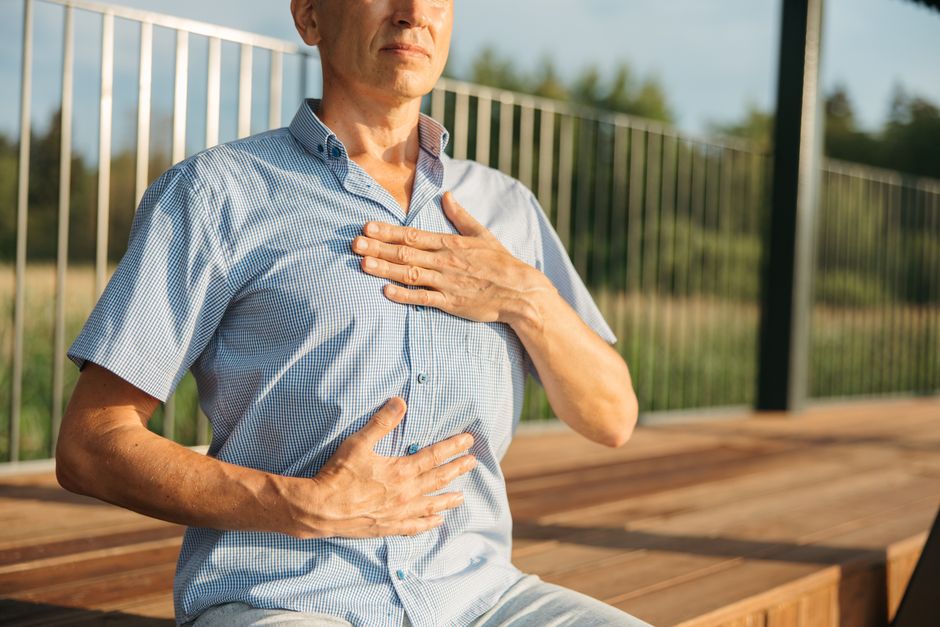
Diaphragmatic breathing, sometimes called belly breathing, trains you to use your diaphragm rather than your chest and shoulders. Place one hand on your belly and one on your chest. Breathe in slowly so your belly rises more than your chest. This uses less energy than shallow chest breathing.
These techniques do not fix the underlying cause. They help you manage the sensation and reduce the work of breathing while you get proper treatment. If breathlessness is severe or worsening, breathing exercises are not a substitute for medical care.





How Can You Help Shortness Of Breath At Home?
Positioning, pacing, and staying calm can reduce breathlessness in the moment. None of these replace treatment for an underlying condition, but they can make breathing easier while you recover or manage a chronic problem.
Try these approaches:
- Sit upright and lean slightly forward. Resting your hands on your knees or a table can help your breathing muscles work better.
- Slow your breathing. Focus on a longer, relaxed exhale rather than trying to take big breaths.
- Use a fan. Cool air on your face may reduce the sensation of breathlessness for some people.
- Pace your activity. Break tasks into smaller steps and rest between them instead of pushing through.
- Avoid triggers. Smoke, strong fumes, and cold air can all make breathing harder.
- Stay calm. Anxiety makes breathing faster and shallower, which can worsen the feeling.
If you have an inhaler or other medication prescribed for a lung condition, use it as directed. Do not increase the dose on your own. If your usual medication is not working, that is a reason to seek care.
What Lifestyle Changes Reduce Ongoing Breathlessness?
For chronic breathlessness, the most reliable improvements come from treating the underlying condition and building physical capacity carefully. Exercise is counterintuitive here — many people avoid activity because it makes them breathless — but supervised exercise is one of the few interventions with consistent evidence for improving breathlessness in chronic lung and heart conditions.
Pulmonary rehabilitation is a structured program that combines exercise, breathing training, and education. Research consistently shows it improves breathlessness and quality of life in people with chronic lung disease. It is typically done under medical supervision, which matters because the right level of exercise is not the same for everyone.
Other steps that may help:
- Quitting smoking, which is the single most effective step for lung health
- Treating conditions like anemia, thyroid problems, or heart failure
- Managing weight, since extra weight increases the work of breathing
- Getting vaccinated against flu, COVID-19, and pneumonia if your doctor recommends it
- Using a maintenance inhaler as prescribed if you have asthma or COPD
These steps work best as part of a plan made with your doctor. What helps one person may not help another, depending on the cause.
When Should You See A Doctor About Shortness Of Breath?
See a doctor if you are short of breath more often than usual, if it wakes you at night, if it limits what you can do, or if it comes with swelling in your legs, a cough, or fatigue. Any new or changing breathlessness deserves evaluation.
Doctors assess shortness of breath with a combination of history, physical exam, and tests. Common tests include pulse oximetry to check oxygen levels, blood tests, chest X-ray, lung function tests, and sometimes an electrocardiogram or echocardiogram to check the heart.
The reason a doctor’s visit matters is that the treatment depends entirely on the cause. Asthma is treated with inhalers. Heart failure is treated with medications and fluid management. Anemia is treated by addressing what is causing it. Anxiety-related breathlessness is treated differently from lung disease. Guessing wrong can delay the right treatment.
Pay attention to patterns. Breathlessness that only happens with exertion points in one direction. Breathlessness at rest points in another. Breathlessness that comes with chest tightness, wheezing, or a cough gives more clues. Bring these details to your appointment — they help your doctor narrow things down.
What Makes Shortness Of Breath Worse?
Several common habits and conditions can make breathlessness worse, and some are easy to change. Others need medical treatment.
Smoking damages the airways and air sacs over time and is a leading cause of chronic breathlessness. Air pollution and workplace fumes can do similar damage. A sedentary lifestyle reduces your body’s ability to use oxygen efficiently, which makes even mild activity feel harder.
Anxiety and stress can create a cycle with breathlessness. Feeling short of breath makes you anxious, and anxiety makes you breathe faster and shallower, which worsens the sensation. Breaking that cycle often requires both physical and psychological approaches.
Some medications can contribute to breathlessness as a side effect. If you notice a change after starting a new medication, tell your doctor rather than stopping it on your own.
Finally, ignoring symptoms makes things worse. Breathlessness that is dismissed or untreated tends to progress, and early treatment usually works better than waiting.
What Is The Difference Between Being Out Of Breath And Being Short Of Breath?
Being out of breath after hard exercise is normal and expected. Being short of breath at rest, or with activity that used to be easy, is not. The difference is whether the breathlessness matches the effort.
Healthy people get breathless during intense exercise because their muscles demand more oxygen than their body can supply at that moment. That resolves within a few minutes of rest. It is a normal response, not a sign of disease.
Breathlessness that is out of proportion to activity — or that happens when you are not exerting yourself — is the kind that needs attention. So is breathlessness that is getting worse over time, or that comes with other symptoms like chest pain, cough, or swelling.
If you are unsure which category you fall into, that uncertainty itself is a reason to check with a doctor. It is better to be evaluated and told everything is fine than to wait on something that needs treatment.
Can Shortness Of Breath Be Prevented?
Some causes of shortness of breath can be prevented or reduced, and some cannot. The steps that help most are the ones that protect your lungs and heart over time.
Not smoking, or quitting if you do, is the most effective step for lung health. Avoiding secondhand smoke, air pollution, and workplace fumes also helps. Staying physically active keeps your heart and lungs working efficiently. Managing conditions like asthma, heart failure, and anemia with proper treatment prevents them from causing worsening breathlessness.
Vaccination against respiratory infections can reduce the risk of illnesses that cause breathlessness, especially in older adults and people with chronic conditions. Your doctor can advise which vaccines are appropriate for you.
Not all breathlessness is preventable. Some causes are genetic, some are related to aging, and some come from conditions that cannot be avoided. But even when prevention is not possible, early treatment usually makes a meaningful difference.
Frequently Asked Questions
What should I do if I suddenly can’t catch my breath?
Call 911 if the breathlessness is sudden and severe, or comes with chest pain, blue lips, confusion, or fainting. These signs can indicate a life-threatening problem that needs emergency care.
Can anxiety cause shortness of breath?
Yes, anxiety and panic can cause real breathlessness by triggering rapid, shallow breathing. It is still worth having it checked, because anxiety and physical conditions can occur together.
Does pursed-lip breathing really help?
Pursed-lip breathing is widely taught and used in pulmonary rehabilitation, and many people find it eases breathlessness. The evidence for how much it helps varies by condition, so it works best alongside proper treatment.
When should I see a doctor for shortness of breath?
See a doctor if breathlessness is new, getting worse, wakes you at night, or limits your activity. Any change from your normal breathing pattern deserves evaluation.
