
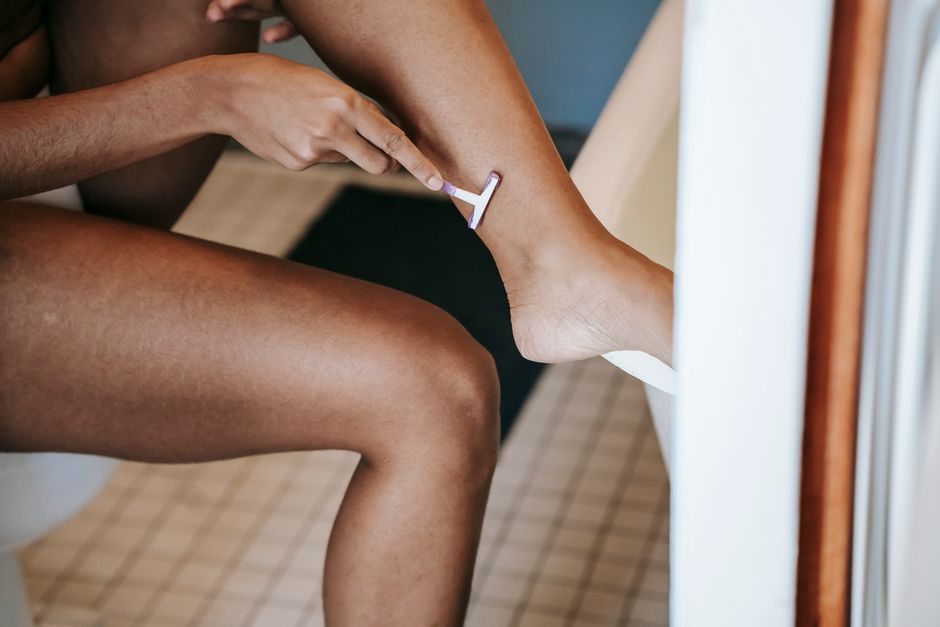
Razor bumps are small, inflamed bumps that show up on skin after shaving, most often on the face and neck, but also in the pubic area, underarms, and legs. They happen when a sharp cut hair curls back and grows into the skin, or when hair follicles get irritated or infected. You can help them by stopping the shave for a few days, using a warm compress, and letting the hair grow out. Better shaving habits and a few proven hair-removal alternatives can prevent most cases.
What Are Razor Bumps, Exactly?
The medical name is pseudofolliculitis barbae. It is a condition where hair follicles become inflamed after hair removal, not a skin infection in the usual sense.
The bumps look like small red or dark pimples clustered in the area you shaved. They can itch, sting, or feel tender. In some people, they fill with pus and look like acne. On darker skin tones, they often heal with dark spots or raised scars.
There is a difference between razor bumps and razor burn. Razor burn is irritation from the blade scraping the skin. It usually shows up right away as redness and stinging. Razor bumps take a day or two to form because the hair has to grow back and curl into the skin first. This timing matters when you are trying to figure out what you are dealing with.
Razor bumps are common. They are especially common in people with tightly curled or coarse hair, because that hair type is more likely to curve back toward the skin as it regrows.
What Causes Razor Bumps?
Two things happen. Either the hair curls back and pierces the follicle wall from the outside, or it grows sideways and enters the skin before it fully exits the follicle. Both trigger inflammation.
Several factors raise the risk:
- Shaving too close, which cuts hair below the skin surface
- Pulling the skin tight while shaving, which lifts the hair and lets it snap back under the surface
- Shaving against the direction of hair growth
- Dull or dirty blades that tug and scrape
- Dry shaving without water or shaving cream
- Naturally curly or coarse hair
The direction of hair growth is not a small detail. When you shave with the grain, the blade cuts the hair at a shallow angle and leaves a slightly longer tip. When you shave against the grain, you get a closer cut, but the tip sits below the skin line and is more likely to hook back in as it grows.
Waxing, tweezing, and epilating can also cause these bumps. These methods pull hair from the root, and the new hair that grows back can still curl into the skin. So this is not only a shaving problem.
Who Gets Razor Bumps Most Often?
Anyone can get them, but some people are far more prone. Hair texture is the biggest factor.
People with tightly coiled hair are the most affected group. The curve of the hair shaft makes it naturally more likely to bend back toward the skin. This is why razor bumps are so common on the faces and necks of Black men and others with curly hair.
Other factors that raise your chances include shaving frequently, using a multi-blade razor that cuts very close, and having skin that scars or darkens easily after inflammation.
If you get bumps every single time you shave, the issue is likely your hair type plus your technique, not a one-time fluke.





How Do You Treat Razor Bumps?
Most cases clear on their own if you stop irritating the skin. The single most effective step is to stop shaving the area and let the hair grow out for a few weeks. This lets the trapped hairs release and the inflammation settle.
While it heals, these steps can help:
- Apply a warm, clean compress to the area a few times a day
- Wash gently with a mild cleanser and warm water
- Do not squeeze, pick, or scrub the bumps
- Skip products with alcohol or strong fragrance
For mild inflammation, an over-the-counter hydrocortisone cream may reduce redness and swelling. Use it only for a short time and only as directed on the label. Long-term use of steroid creams on the face can thin the skin, so this is not a routine fix.
If the bumps are infected, a doctor may prescribe a topical antibiotic or, in some cases, an oral antibiotic. Some clinicians also recommend topical retinoids to help clear blocked follicles. These are prescription decisions, and the evidence for each option varies, so this is a conversation to have with a clinician rather than something to self-treat.
Do not treat razor bumps with strong acids, harsh scrubs, or acne products meant for a different problem. They tend to make inflamed follicles worse.
How To Prevent Razor Bumps When You Shave
If you want to keep shaving, technique is everything. A few changes make a real difference for most people.
Soften the hair first. Shave after a warm shower, or hold a warm wet towel on the area for a couple of minutes. Warm water makes hair softer and easier to cut cleanly.
Use a sharp, clean single-blade razor. Multi-blade razors cut closer, which is exactly what you do not want if you are prone to these bumps. Some people do better with a single-blade safety razor or an electric razor that leaves a slightly longer stubble.
Always shave with the grain, in the direction the hair grows. Do not stretch the skin tight. Do not go over the same spot again and again.
Use a lubricating shave gel or cream. Never dry shave. Rinse the blade after every stroke and replace it as soon as it starts to drag.
After shaving, rinse with cool water and apply a gentle, fragrance-free moisturizer. Skip alcohol-based aftershaves.
Alternatives That May Work Better Than Shaving
For people with very curly hair, no shaving technique fully solves the problem, because the hair itself is the issue. In that case, other hair-removal methods may help more.
| Method | How it works | Notes on razor bumps |
|---|---|---|
| Electric razor or trimmer | Leaves a short stubble, does not cut below skin | Often the simplest switch; less close cut means less ingrowth |
| Chemical depilatory | Dissolves hair at the surface | Avoids the sharp cut edge; can irritate sensitive skin |
| Laser hair removal | Damages the follicle to reduce regrowth | Reduces the problem at the source over time; requires multiple sessions and a qualified provider |
| Waxing or epilating | Pulls hair from the root | Can still cause ingrown hairs in curly hair |
Laser hair removal is the option with the strongest rationale for long-term relief, because it reduces how much hair grows back at all. It works best on dark hair and lighter skin, though newer devices have expanded the range of people who can be treated. It requires several sessions and should be done by a trained professional. Results vary, and it does not always remove hair permanently.
Chemical depilatories do not cut the hair into a sharp tip, so they can cause fewer ingrown hairs for some people. But they contain strong ingredients that irritate sensitive skin, so patch-test first.
When To See a Doctor
See a doctor if the bumps are spreading, getting worse, or filled with pus. Also seek care if you notice increasing pain, warmth, or swelling, which can point to a deeper infection.
You should also get checked if the bumps are leaving dark marks or raised scars, or if they are affecting your confidence or daily life. These are valid reasons to ask for help, not something to just live with.
In some cases, what looks like razor bumps can be another condition, such as a fungal infection or a different form of folliculitis. A clinician can tell the difference and point you to the right treatment.
Frequently Asked Questions
How long do razor bumps take to go away?
Most mild cases settle within a few days to a couple of weeks once you stop irritating the skin. If you keep shaving the same area, they can persist or keep coming back.
Does shaving against the grain cause razor bumps?
Shaving against the grain cuts hair below the skin surface, which makes it more likely to curl back in as it grows. Shaving with the grain is one of the most reliable ways to lower your risk.
Can you pop razor bumps?
No. Popping or squeezing them can push bacteria deeper and raise the chance of infection and scarring.
Is laser hair removal good for razor bumps?
It can help a lot for people with recurring bumps, because it reduces how much hair grows back in the first place. It takes multiple sessions, results vary, and it should be done by a trained provider.
