
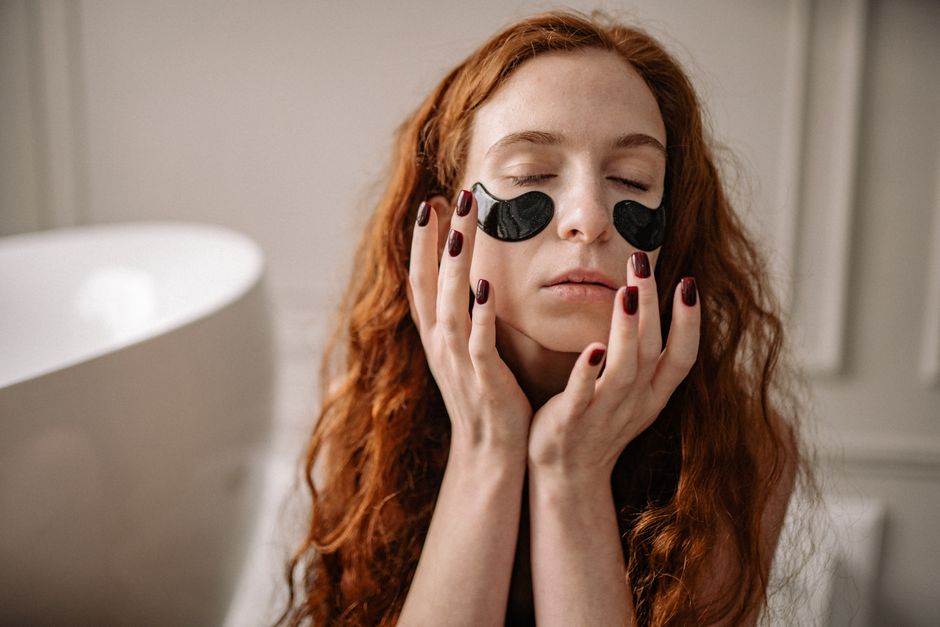
Puffy under eyes are usually caused by fluid pooling in the delicate tissue beneath your eyes, often after a salty meal, a poor night of sleep, or an allergic reaction. You can help reduce the puffiness by applying a cold compress, elevating your head while sleeping, and reducing salt in your diet. However, the right fix depends entirely on the cause, and knowing the difference between temporary puffiness and structural changes is the first step to treating it correctly.
What Causes Puffy Under Eyes?
Under-eye puffiness happens when fluid builds up in the tissue around your eyes. This area has very thin skin and loose connective tissue, so it shows fluid retention faster than almost any other part of your body.
The most common causes are straightforward. A high-salt meal pulls water into your tissues. Crying causes fluid to shift into the area. Allergies trigger inflammation that dilates blood vessels and leaks fluid into the surrounding skin. Lack of sleep can disrupt your body’s fluid balance and reduce circulation, letting fluid settle overnight.
Your age plays a role too. As you get older, the muscles and tissues around your eyes weaken. The fat that normally cushions your eye can push forward into the lower eyelid, creating a permanent bulge that looks like puffiness even when no fluid is present. This is a structural change, not a fluid problem, and it responds differently to treatment.
Genetics also matter. Some people simply have thicker skin or more fat around their eyes. If your parents had puffy under eyes, you may notice the same pattern regardless of your habits.
How To Help Puffy Under Eyes: Quick Fixes That Work
When the puffiness is from fluid retention, cold is your best friend. Cold constricts blood vessels and reduces fluid leakage into the tissue. A cold compress, chilled spoons, or a refrigerated gel mask applied for 10 to 15 minutes can visibly reduce puffiness.
Gravity is another simple tool. If you sleep flat, fluid pools around your eyes overnight. Sleeping with your head slightly elevated on an extra pillow allows that fluid to drain away from your face. This is one of the most effective and least discussed fixes for morning puffiness.
Gentle massage can help move stagnant fluid. Using your ring finger, lightly tap or sweep from the inner corner of your eye outward along the bony ridge of your eye socket. The goal is to encourage lymphatic drainage, not to stretch or pull the skin. Never rub hard — the skin here is fragile and easily damaged.
Caffeine-based eye creams are one of the few topical ingredients with some evidence behind them. Caffeine is a vasoconstrictor, meaning it narrows blood vessels and can temporarily reduce puffiness. The effect is modest and lasts a few hours, but it is real. Look for creams containing caffeine or green tea extract if you want a temporary cosmetic fix.
How To Help Puffy Under Eyes: Long-Term Habits
The same habits that keep your body healthy overall also help prevent under-eye puffiness. Salt control is the most direct one. The average American diet contains far more sodium than the body needs, and excess sodium makes your body hold onto water. Cutting back on processed foods and restaurant meals often reduces morning puffiness within a week.
Hydration might seem counterintuitive, but drinking enough water actually helps. When you are mildly dehydrated, your body holds onto the fluid it has rather than releasing it. Staying consistently hydrated helps your body maintain a normal fluid balance instead of clinging to water in your tissues.
Sleep quality matters more than sleep duration alone. A regular sleep schedule helps your body maintain its natural fluid rhythms. Some research suggests that sleep position and pillow height affect facial fluid accumulation more than total hours slept.
Allergy management is another long-term strategy. If seasonal allergies are driving your puffiness, treating the underlying allergy with an antihistamine or avoiding your triggers will do more than any topical cream. If you wake up puffy every morning during pollen season, allergies should be at the top of your list of suspects.





When Puffiness Is Actually Bags
There is a meaningful difference between puffiness and bags. Puffiness is fluid, and it tends to be worse in the morning and improve as the day goes on. Bags are structural — they are fat that has shifted forward as the tissues around your eye weaken with age. Bags do not improve with cold compresses or less salt.
If your “puffiness” looks the same at noon as it did at 7 a.m., you are likely dealing with structural bags rather than fluid retention. This distinction matters because it changes your treatment options entirely. No cream, serum, or home remedy will remove structural fat pads.
For structural bags, cosmetic procedures are the only options that genuinely change the appearance. Lower eyelid surgery, called blepharoplasty, removes or repositions the fat. Injectable fillers can sometimes smooth the transition between the cheek and the lower eyelid, making bags less noticeable. These are elective procedures with real risks, and they should only be considered after a consultation with a board-certified dermatologist or oculoplastic surgeon.
Medical Causes of Under-Eye Puffiness
Most under-eye puffiness is harmless and temporary. But persistent puffiness can occasionally signal an underlying medical condition that needs attention.
Thyroid eye disease, also called Graves’ ophthalmopathy, can cause puffiness and swelling around the eyes. This condition is associated with an overactive thyroid and often comes with other symptoms like bulging eyes, dry eyes, or double vision. If your puffiness is accompanied by any of these, see a doctor.
Kidney problems can cause fluid retention throughout the body, including under the eyes. This is usually accompanied by swelling in the legs, ankles, or hands as well. Puffiness alone is rarely a sign of kidney disease, but widespread swelling plus under-eye puffiness warrants a medical evaluation.
Severe allergies or an allergic reaction to a new skincare product can cause significant swelling. If your eyes swell suddenly and are also red, itchy, or painful, this may be contact dermatitis or an allergic reaction. Over-the-counter antihistamines can help, but if swelling is severe or affects your vision, seek medical care promptly.
A dermatologist or ophthalmologist can help determine whether your puffiness is fluid-based, structural, or related to an underlying condition. If the puffiness is persistent, worsening, or accompanied by pain, redness, or vision changes, do not try to treat it at home.
What Does Not Work for Under-Eye Puffiness
Social media is full of under-eye treatments that sound promising but have no real evidence behind them. Witch hazel, for example, is often recommended as a natural astringent for puffy eyes. It can be drying and irritating to the thin skin under your eyes, and no clinical evidence supports its use for puffiness.
Tea bags are a popular home remedy, and they do have a rational basis — caffeine and cold can both reduce puffiness. But the effect is mild, and the tannins in tea can irritate sensitive skin. If you try this, use cold, wet tea bags for no more than 10 minutes and rinse the area afterward.
Aspirin masks and other DIY anti-inflammatory treatments are not supported by evidence and can cause chemical burns on delicate skin. The skin under your eyes is among the thinnest on your body. It absorbs products readily, which means it also absorbs irritants readily.
Products marketed as “instant” fixes for under-eye bags are almost always temporary cosmetic cover-ups. They may contain light-reflecting particles that make shadows less visible, but they do not change the underlying puffiness. That is not necessarily bad — just know what you are buying.
How To Help Puffy Under Eyes: When To See a Doctor
Occasional under-eye puffiness is normal and does not require medical attention. But certain signs should prompt a visit to a healthcare provider.
See a doctor if your puffiness is persistent despite good sleep, low salt intake, and proper hydration. See one if the puffiness is accompanied by pain, redness, itching, or discharge. See one if you have swelling in other parts of your body, especially your legs or hands. And see one immediately if the puffiness comes on suddenly and is severe, or if it is accompanied by vision changes, difficulty breathing, or facial swelling beyond the eye area — these can be signs of a serious allergic reaction.
For most people, under-eye puffiness is a cosmetic nuisance, not a medical problem. Understanding whether you are dealing with fluid or structural change is the key to choosing a fix that actually works.
Frequently Asked Questions
How long does under-eye puffiness last?
Temporary puffiness from sleep, salt, or crying usually resolves within a few hours to a day as your body rebalances fluids. Persistent puffiness that lasts for weeks is more likely structural or related to an underlying condition.
Does cucumber really help puffy eyes?
Cucumber slices work only because they are cold and wet, providing a mild cooling effect that can temporarily constrict blood vessels. There is no evidence that cucumber itself has any special anti-inflammatory property beyond the cold temperature.
Can dehydration cause puffy under eyes?
Yes, mild dehydration can cause your body to retain fluid in tissues, including under your eyes. Staying consistently hydrated helps your body maintain normal fluid balance rather than holding onto water.
Are under-eye creams worth it for puffiness?
Creams containing caffeine or green tea extract can provide a modest, temporary reduction in puffiness by constricting blood vessels. They will not change structural bags or provide lasting results.
