
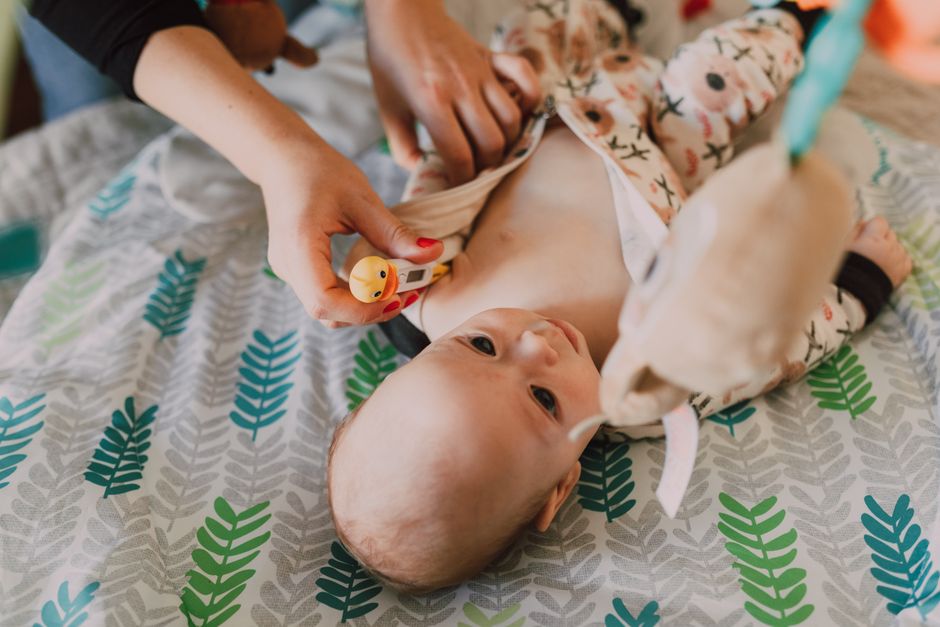
A newborn’s cough is alarming for any parent. You hear that little sound and your mind races. The first thing to know is that a cough in a baby under three months old is not something to manage at home on your own. The safest and most appropriate response is to contact your pediatrician or seek medical care promptly. While most coughs are caused by common viruses, a newborn’s airways are tiny, and their immune systems are still developing, so what seems mild can become serious quickly.
When Is a Newborn Cough an Emergency?
Some situations require immediate emergency care. Do not wait for a doctor’s appointment if your baby shows any of these signs.
Call 911 or go to the emergency room if your newborn has trouble breathing. This includes fast breathing, flaring nostrils, or pulling in of the skin between the ribs or above the collarbone with each breath. A bluish tint to the lips, face, or tongue is also an emergency.
Other red flags include a cough that sounds like a bark, a cough that comes in fits and ends with a whooping sound, or a cough that lasts more than a few days. If your baby is lethargic, unusually sleepy, or difficult to wake, seek help immediately. A fever of 100.4°F (38°C) or higher in a baby under three months also requires immediate medical attention.
Why Newborn Coughs Are Different From Older Kids
A newborn’s airway is about the diameter of a drinking straw. A small amount of swelling or mucus can narrow it significantly. That means a mild cold in an older child can become a breathing problem in a newborn.
Newborns are also obligate nose breathers for the first few months. They breathe primarily through their nose, not their mouth. When nasal passages are congested, feeding and sleeping become harder. Coughing is often the body’s way of clearing the throat when mucus drips down from the nose, which is called postnasal drip.
Their immune systems are also less experienced. They have not built up antibodies to many common viruses. What is a minor inconvenience for an adult can be a more significant illness for a newborn.
What Causes a Cough in a Newborn?
Most newborn coughs are caused by viral respiratory infections. The common cold is the most frequent culprit. These viruses cause inflammation and mucus production in the nose and throat.
Postnasal drip is another common cause. Mucus from the nose runs down the back of the throat, triggering a cough, especially when the baby is lying flat. This is often worse at night or after naps.
Less common but more serious causes include respiratory syncytial virus, or RSV, which can cause bronchiolitis, an infection of the small airways in the lungs. Whooping cough, also called pertussis, is a bacterial infection that causes severe coughing fits. It is preventable with vaccination, and pregnant women are routinely vaccinated to pass protection to their babies.
Sometimes a cough is not an infection at all. It can be a reaction to something in the environment, such as dry air, dust, or smoke. It can also be a sign of acid reflux, where stomach contents flow back up into the esophagus and irritate the throat.




How To Help Newborn With Cough at Home
If your pediatrician has evaluated your baby and determined the cough is from a mild viral illness, there are safe ways to make your baby more comfortable. These methods do not cure the virus, but they can ease symptoms while the body fights the infection.
Keep your baby well hydrated. Offer feeds more frequently than usual. For breastfed babies, breast milk provides both hydration and antibodies. For formula-fed babies, continue their normal formula. Do not give water to a newborn under six months unless a doctor specifically tells you to.
Use saline drops to thin nasal mucus. Place one or two drops in each nostril, wait a minute, then gently suction with a bulb syringe or nasal aspirator. This is especially helpful before feeding and sleeping. Do this no more than a few times a day to avoid irritating the delicate nasal lining.
Run a cool-mist humidifier in the room where the baby sleeps. Moist air can soothe irritated airways and loosen mucus. Clean the humidifier daily to prevent mold and bacteria growth. Do not use a warm-mist humidifier because of burn risk.
Hold your baby upright for a while after feeding. This helps gravity keep stomach contents down and reduces reflux-related coughing. It also helps mucus drain more easily.
What Not To Do for a Newborn Cough
Never give over-the-counter cough and cold medicines to a baby under two years old. These products are not approved for infants and can cause serious side effects including slowed breathing and heart rate. The American Academy of Pediatrics advises against them for young children.
Do not use honey. Honey can cause infant botulism, a rare but serious illness, in babies under one year old. This is true even for pasteurized honey. It is a safe remedy for older children but never for a newborn.
Do not use vapor rubs or mentholated ointments on a baby under two years old. They can irritate the airways and make breathing harder. Do not use steam from a hot shower to clear congestion. It can scald the baby and does not reliably help.
Do not prop up the baby’s mattress or use pillows in the crib to elevate the head. This increases the risk of suffocation and sudden infant death syndrome, or SIDS. The crib should remain flat and bare with only a fitted sheet.
When To Call the Doctor
Call your pediatrician for any cough in a newborn, even if it seems mild. It is always better to ask. The doctor can tell you what to watch for and whether your baby needs to be seen.
Call if the cough interferes with feeding. If your baby takes noticeably less milk than usual, shows fewer wet diapers, or has signs of dehydration such as a sunken soft spot on the head, call right away. Call if the cough lasts more than a few days or if it is getting worse instead of better.
Trust your instincts. Parents are often right when they sense something is wrong. If you are worried, call. No question is too small when it comes to a newborn’s health.
How To Prevent a Newborn From Getting Sick
Prevention is the best strategy because treatment options for newborns are limited. Hand washing is the single most effective way to stop the spread of viruses. Every person who handles the baby should wash their hands with soap and water first.
Keep the newborn away from people who are sick. This includes siblings with runny noses and adults with colds. It is reasonable to ask visitors to postpone visits if they have symptoms. Avoid crowded indoor spaces during cold and flu season.
Make sure caregivers are up to date on their vaccines, including the flu shot and Tdap, which protects against whooping cough. The mother’s flu and Tdap vaccines during pregnancy also pass protective antibodies to the baby.
Do not allow anyone to smoke near the baby. Tobacco smoke, including secondhand and thirdhand smoke, increases the risk of respiratory infections and makes coughs worse. This includes vaping and e-cigarettes, which also release harmful particles.
Frequently Asked Questions
Can I give my newborn cough medicine?
No. Over-the-counter cough and cold medicines are not safe for babies under two years old. They can cause serious side effects and are not approved for infants.
Is honey safe for a newborn cough?
No. Honey can cause infant botulism in babies under one year old. It is not safe for newborns under any circumstances.
How long does a newborn cough usually last?
Most viral coughs last about one to two weeks. If the cough lasts longer than a few days or gets worse, call your pediatrician.
Can a newborn cough while sleeping be dangerous?
A cough during sleep can be normal with a mild cold, but any sign of breathing trouble, such as fast breathing or pauses in breathing, requires immediate medical attention.
