
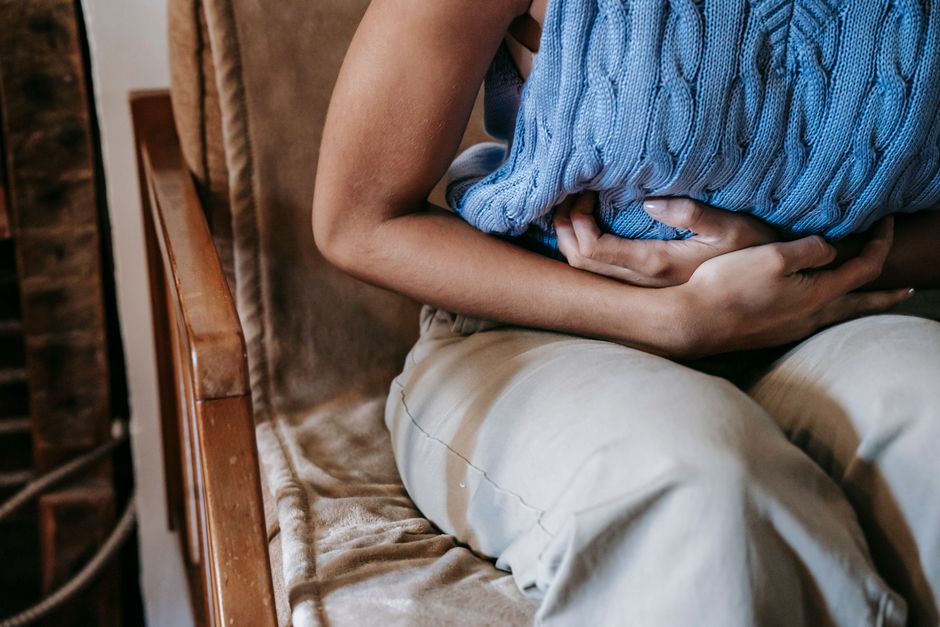
Period cramps happen because the uterus contracts to shed its lining, and those contractions can feel like a tight, aching squeeze in the lower belly. The most reliable ways to ease that pain are heat, anti-inflammatory pain relievers like ibuprofen, gentle movement, and enough rest. None of these stop a period, but they can make the cramping more manageable.
What follows explains why the pain happens, what tends to help, and what the evidence actually supports. It also separates proven relief from the things people swear by but that research has not confirmed.
What Actually Causes Period Stomach Cramps?
The cramping comes from chemicals called prostaglandins. Before and during a period, the lining of the uterus releases these compounds, and they make the uterine muscle contract.
Those contractions help the body shed the lining. When prostaglandin levels are high, the contractions are stronger and more frequent. That is why the pain can feel like a dull, gripping ache that comes in waves, and why it often spreads to the lower back or upper thighs.
Higher prostaglandin levels also tend to cause nausea, loose stools, and headache around the same time. These symptoms are not separate problems. They come from the same chemical signal.
This is called primary dysmenorrhea, meaning period pain that is not caused by another condition. It is common and usually starts within a day or two of bleeding beginning and eases over the first few days. A different pattern — pain that is severe, getting worse over time, or starting later in life — can point to conditions such as endometriosis or fibroids and deserves a medical review.
How To Help Cramping Muscle Period Stomach Pain at Home
Heat is one of the best-supported home remedies for period cramps. Applying a warm pack or taking a warm bath relaxes the uterine muscle and improves blood flow to the area. Some studies have found that continuous low-level heat can ease cramping about as well as over-the-counter pain relievers for some people, though results vary.
Here is what the evidence supports most strongly:
- Heat: A heating pad or hot water bottle on the lower belly for as long as it feels soothing. This is safe and widely recommended.
- Anti-inflammatory pain relievers: Ibuprofen and naproxen block prostaglandin production, which targets the underlying cause rather than just masking pain. They work best when started at the first sign of cramping or bleeding, not after pain becomes severe.
- Gentle movement: Light walking, stretching, or yoga can ease tension and may help with pain. Strenuous exercise during the worst days is not required.
- Rest and sleep: Fatigue makes pain feel worse. Protecting sleep during your period is a real part of managing it.
One clarification worth knowing: pain relievers that block prostaglandins need to be taken early to work well. Waiting until the pain peaks means the prostaglandin surge is already underway, and the medication has more to overcome.
Do Over-the-Counter Pain Relievers Really Work for Period Cramps?
Yes. Nonsteroidal anti-inflammatory drugs (NSAIDs) such as ibuprofen and naproxen are among the most effective treatments for primary period pain, and this is well established in clinical guidance.
They work by reducing prostaglandin production, which addresses the cause of the contractions. Acetaminophen (paracetamol) can also help, but it does not block prostaglandins, so it is generally considered less effective for this specific type of pain.
These medicines are not right for everyone. People with stomach ulcers, kidney problems, or certain heart conditions, and those who are pregnant, should talk to a pharmacist or clinician before using NSAIDs. Taking them with food can reduce stomach upset. Always follow the dose on the label, and do not combine multiple NSAIDs.
If over-the-counter options at proper doses do not control the pain, that is a reason to see a clinician rather than to keep increasing the dose. Persistent severe pain can be a sign of a condition like endometriosis that needs proper diagnosis.
Which Natural Remedies Have Real Evidence?
A few natural approaches have some research behind them, though the evidence is not as strong as for heat and NSAIDs.
Some studies suggest that supplements such as magnesium, vitamin B1, and vitamin E may reduce period pain in some people. The results are mixed and the studies are generally small, so these are reasonable options to discuss with a clinician rather than proven treatments.
Herbal options like ginger have shown some benefit in smaller trials. Evidence for other popular remedies is weaker or absent. This does not mean they never help, but it means the research does not confirm them.
Be cautious with supplements marketed specifically for period pain. No large human trials have confirmed most of these claims, and supplements are not tightly regulated for purity or dose in the same way as medicines.
What About Diet, Exercise, and Lifestyle?
Regular physical activity is linked to less period pain in some studies, though the effect is modest and the research is not definitive. Being active throughout the month may matter more than what you do during the period itself.
There is no single diet proven to eliminate cramps. Some evidence suggests that diets high in omega-3 fats and low in processed foods may be associated with less period pain, but this is not established as a treatment. Staying hydrated and eating regular meals can help with the nausea and low energy that often come with cramps.
Smoking is associated with more severe period pain in observational studies. That link is consistent, though it does not prove smoking causes the pain. Quitting is beneficial for many reasons regardless.
Stress and poor sleep can make pain feel worse. This is true for most types of pain, not just period cramps. Simple steps like keeping a regular sleep schedule and using relaxation techniques during the worst days are reasonable and low-risk.
When Should You See a Doctor About Period Cramps?
See a clinician if the pain regularly stops you from going to school, work, or doing normal activities, or if over-the-counter medicines at proper doses do not help. That level of pain is common but not something you have to accept.
Certain patterns deserve attention:
- Pain that is getting worse over time rather than staying the same
- Pain that starts later in life after years of manageable periods
- Pain during sex, or pain with bowel movements during your period
- Very heavy bleeding, or bleeding between periods
- Fever, unusual discharge, or pain that is sudden and severe
These can be signs of conditions such as endometriosis, fibroids, or infection. Endometriosis in particular is often underdiagnosed, and the average delay between symptoms starting and diagnosis is measured in years. Getting evaluated earlier can make a real difference.
What Does Not Help, and What to Skip
Some widely shared advice has little or no evidence behind it. This includes the idea that certain foods “cause” cramps in a way you can simply avoid, or that detoxes and cleanses ease period pain. No clinical evidence currently confirms these claims.
Essential oil blends and topical products marketed for cramps have not been shown in large trials to reduce period pain. They may feel pleasant, but they are not a substitute for proven relief.
Douching and vaginal washes are not recommended by gynecological guidance and can disrupt the normal vaginal environment. They do not help with period cramps.
If a product promises to “balance hormones” or “reset” your cycle, treat that as marketing until solid human trials say otherwise. Period pain has a clear, well-understood mechanism, and treatments that target it — heat and prostaglandin-blocking medicines — have the best evidence.
Frequently Asked Questions
How do you stop period cramps fast?
Apply heat to your lower belly and take an over-the-counter NSAID like ibuprofen at the first sign of cramping. Starting the medicine early, before pain peaks, tends to work better because it blocks the prostaglandin surge that drives the contractions.
Is it normal to have bad period cramps?
Period cramps are common, but pain that regularly stops you from normal activities is not something you have to accept. Talk to a clinician, because severe or worsening pain can be a sign of a condition like endometriosis that needs diagnosis.
Does a heating pad really help period cramps?
Yes. Heat relaxes the uterine muscle and improves blood flow, and some studies have found continuous low-level heat eases cramping about as well as pain relievers for some people. It is safe and widely recommended.
Can certain foods make period cramps worse?
No single food is proven to cause or worsen cramps. Some evidence links diets high in omega-3 fats and low in processed foods to less period pain, but this is not established as a treatment.
