
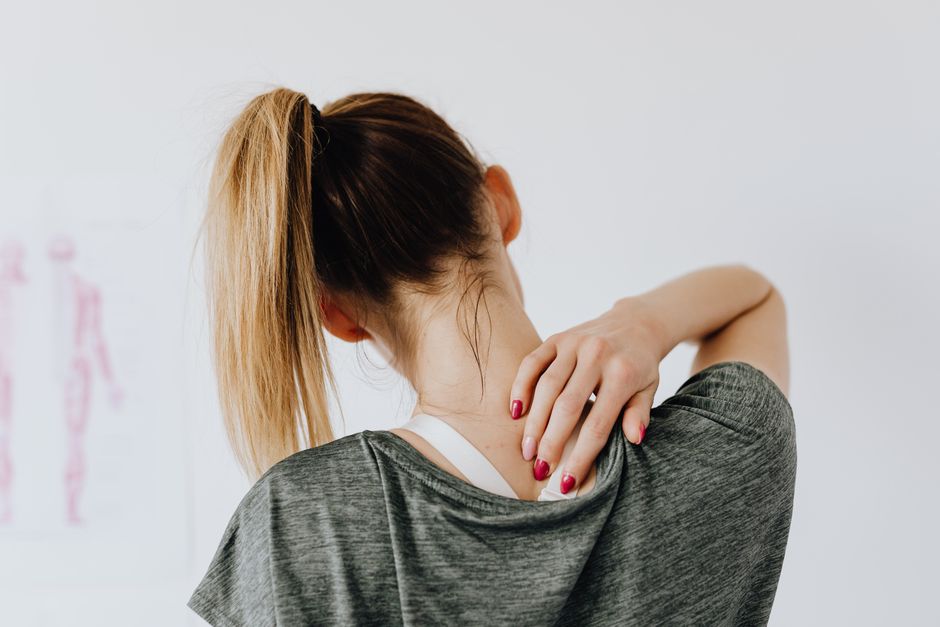
Body aches are one of the most common reasons people reach for a pain reliever or cancel their plans. The good news: most everyday muscle and joint soreness responds well to a handful of basic steps — gentle movement, heat or cold, good sleep, hydration, and over-the-counter pain relief when needed. The key is matching the approach to what is actually causing the ache.
Not all body aches are the same. Soreness after exercise, the deep ache of a fever, and the grinding pain of arthritis all have different causes. That means the same tip will not work for everyone. Below is what the evidence actually supports, and where the science is thinner than most articles admit.
What Actually Causes Body Aches?
Most body aches come down to one of a few mechanisms: muscle tissue damage and inflammation after exertion, joint inflammation, nerve irritation, or a systemic immune response.
Delayed onset muscle soreness, often called DOMS, is the familiar ache that shows up a day or two after unfamiliar exercise. It is caused by microscopic damage to muscle fibers, followed by inflammation as the tissue repairs. This is normal and not a sign of injury.
Joint pain works differently. Osteoarthritis involves the breakdown of cartilage that cushions the ends of bones. Rheumatoid arthritis is an autoimmune condition where the immune system attacks the joint lining. These are distinct processes and respond to different treatments.
Systemic aches — the all-over feeling you get with flu, COVID-19, or other infections — come from inflammatory chemicals called cytokines that the immune system releases to fight infection. That ache is a symptom of immune activity, not muscle damage.
Muscle aches can also come from medication side effects, particularly statins, and from low levels of certain nutrients. A doctor can help sort out which category you fall into if aches are persistent or unexplained.
How To Help Body Aches With Movement and Rest
Complete rest usually makes body aches worse, not better. For most muscle and joint soreness, gentle movement helps maintain blood flow and prevents stiffness from setting in.
For post-exercise soreness, light activity like walking or easy cycling is generally better than lying still. The soreness will ease on its own within a few days. Strenuous exercise during that window tends to prolong it.
For joint pain, range-of-motion exercises and low-impact activity like swimming or walking are widely recommended by clinicians. The goal is to keep the joint moving without loading it heavily.
Rest still has a role. If a specific muscle or joint is acutely injured — swollen, sharply painful, or unable to bear weight — rest and protection come first. That is different from general achiness.
One thing worth knowing: stretching before exercise does not reliably prevent soreness. The evidence for pre-exercise stretching reducing DOMS is weak. Light movement after exercise is a more reasonable approach.
Does Heat or Cold Work Better?
Heat and cold both help, but they work differently and suit different situations. The choice comes down to timing and what kind of ache you have.
Cold therapy narrows blood vessels and reduces blood flow to an area. It is most useful in the first 48 hours after an acute injury, when swelling and inflammation are at their peak. Ice packs wrapped in a cloth, applied for short periods, are the standard approach.
Heat therapy does the opposite. It widens blood vessels and increases blood flow, which can relax tight muscles and ease stiffness. Heat is generally more helpful for chronic muscle tension, stiffness, and joint pain that is not related to a fresh injury.
For general body aches from a cold or flu, a warm bath or heating pad often feels better than ice. That is a comfort measure, not a treatment for the underlying cause.
Never apply ice or heat directly to bare skin for extended periods. Both can cause burns or tissue damage. A barrier layer and limited application time matter.





What About Over-the-Counter Pain Relievers?
Over-the-counter pain relievers can reduce body aches, but they work differently and carry different risks. Knowing which is which helps you choose wisely.
Acetaminophen (Tylenol) reduces pain and fever but is not an anti-inflammatory. It is generally easier on the stomach than NSAIDs. The main concern is liver damage when taken above the recommended dose, or combined with alcohol. Many people do not realize acetaminophen is included in dozens of cold and flu products, which makes accidental double-dosing a real risk.
NSAIDs — ibuprofen (Advil, Motrin) and naproxen (Aleve) — reduce both pain and inflammation. They can be more effective for inflammatory pain like arthritis. They also carry risks of stomach irritation, ulcers, and kidney strain, especially with long-term use or in people with certain health conditions.
For most healthy adults, short-term use of either type for occasional body aches is reasonable. Long-term daily use should be discussed with a doctor. Anyone with kidney disease, stomach ulcers, heart conditions, or who takes blood thinners should check before using NSAIDs.
Specific dosing instructions are printed on every package and should be followed exactly. Do not exceed the labeled maximum.
Can Sleep, Hydration, and Diet Reduce Body Aches?
Sleep is one of the most underrated factors in how much body aches bother you. Poor sleep lowers pain tolerance and can make existing aches feel worse. It also slows tissue repair.
Most adults need seven to nine hours of sleep per night, according to widely accepted sleep guidelines. Chronic short sleep is associated with more reported pain and higher rates of musculoskeletal complaints.
Hydration matters for muscle function. Muscles are roughly 75 percent water, and dehydration can contribute to cramping and soreness. There is no single universal water target, but pale yellow urine is a reasonable everyday indicator of adequate hydration for most healthy adults.
Diet plays a supporting role, not a starring one. Some evidence links diets rich in anti-inflammatory foods — vegetables, fruits, fatty fish, whole grains, olive oil — with lower levels of chronic pain and inflammation. This is an association, not proof that any specific food cures body aches.
Certain nutrient deficiencies can cause muscle pain. Low vitamin D and low magnesium have both been associated with muscle aches in some research, though results vary. A doctor can test for these if aches are persistent.
When Should You See a Doctor for Body Aches?
Most body aches resolve within a few days to a couple of weeks. Some signs mean it is time to get medical attention.
- Aches that last more than a few weeks without improving
- Severe pain that comes on suddenly
- Swelling, redness, or warmth in a joint
- Fever along with body aches that does not improve
- Muscle weakness or difficulty moving a limb
- Aches that wake you from sleep or interfere with daily function
- New muscle pain after starting a medication
Statins are a well-known cause of muscle aches in some people. If you start a statin and develop muscle pain, tell your doctor rather than stopping on your own.
Widespread pain lasting more than three months, along with fatigue and sleep problems, can point to conditions like fibromyalgia. That diagnosis requires a clinical evaluation, not self-assessment.
Body aches with a high fever, stiff neck, rash, or confusion are a medical emergency. Seek care immediately.
Which Habits Help Prevent Body Aches Long-Term?
Prevention comes down to consistent habits rather than any single fix. Regular physical activity is the strongest lever for reducing everyday muscle and joint aches.
Both aerobic activity and strength training help maintain muscle mass and joint function as you age. The general public health recommendation is at least 150 minutes of moderate-intensity aerobic activity per week, plus muscle-strengthening activity on two or more days per week. This is a well-established guideline, not a specific prescription for pain.
Gradual progression matters. Increasing exercise intensity or duration too quickly is one of the most common triggers of muscle soreness and overuse injury.
Ergonomics at work and home can reduce strain on the neck, back, and shoulders. Adjusting your chair, monitor height, and how you lift heavy objects all make a difference over time.
Managing stress also plays a role. Chronic stress is associated with higher reported pain levels, though the relationship is complex and not fully understood.
No single habit eliminates body aches entirely. Aging, genetics, and underlying health conditions all influence how much soreness you experience.
Frequently Asked Questions
How long do body aches usually last?
Most everyday muscle aches from exercise or mild illness ease within a few days to two weeks. Aches lasting longer than a few weeks should be evaluated by a doctor.
Should I use heat or ice for body aches?
Ice is generally better for fresh injuries in the first 48 hours, while heat works better for stiffness and chronic muscle tension. For general flu-related aches, heat is usually more comfortable.
Can dehydration cause body aches?
Dehydration can contribute to muscle cramping and soreness because muscles depend on adequate fluid to function. Drinking enough to keep urine pale yellow is a reasonable everyday target for most healthy adults.
When should body aches be a medical concern?
See a doctor if aches last more than a few weeks, come with joint swelling, fever, weakness, or start after a new medication. Aches with a high fever, stiff neck, or confusion need emergency care.
