
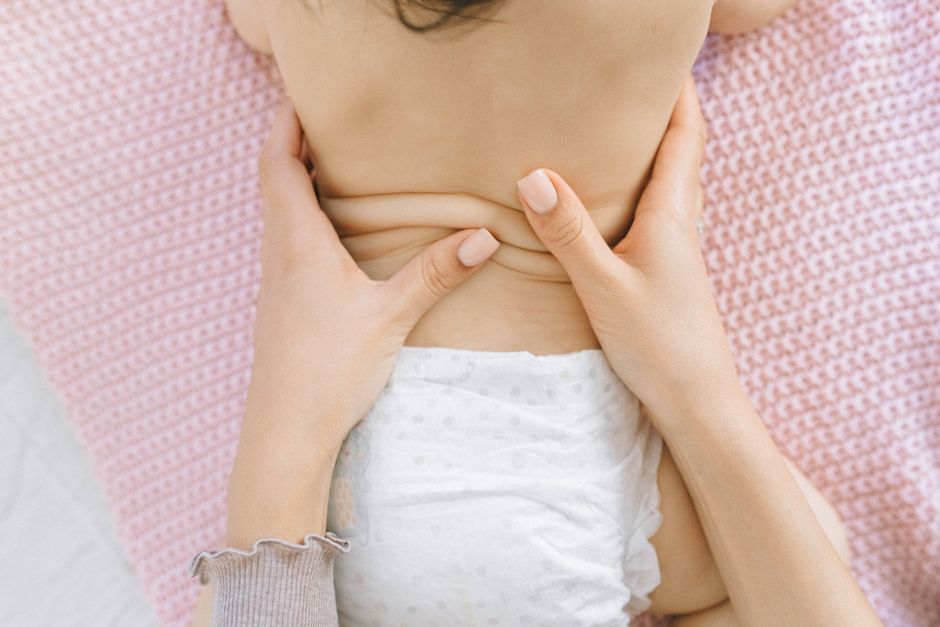
Infant hiccups look alarming, but they are almost always harmless. They are a normal reflex that most babies experience daily, often starting before birth. You can help an infant get rid of hiccups by using gentle, calming techniques like offering a pacifier, taking a brief feeding break to burp, or letting the episode pass on its own, which usually happens within 5 to 10 minutes.
Why Do Babies Get Hiccups So Often?
Hiccups happen when the diaphragm — the dome-shaped muscle below the lungs — suddenly contracts on its own. That spasm forces a quick intake of air, which snaps the vocal cords shut and creates the “hic” sound.
Newborns and young infants get hiccups more often than older children and adults. Their nervous systems are still maturing, and the nerve that controls the diaphragm is easily stimulated. This is a normal part of development, not a sign of illness.
Common triggers in infants include overfeeding, swallowing air while nursing, or a sudden change in stomach temperature. Even excitement or a full bladder can set them off. In most cases, no specific cause is identified, and the hiccups simply stop on their own.
Hiccups are also common in the womb. Many mothers feel rhythmic, repetitive movements during pregnancy that are actually the fetus practicing this reflex. This is a reassuring sign of normal neurological development.
How To Help An Infant Get Rid Of Hiccups: Methods That Work
There is no single guaranteed method to stop infant hiccups instantly. However, several gentle techniques are widely used by pediatricians and parents because they are safe and often effective.
Pause feeding and burp. If your baby hiccups during a bottle or breastfeed, stop and hold them upright. Gently pat their back to release trapped air. A full stomach pressing against the diaphragm can trigger hiccups, so easing that pressure often helps.
Offer a pacifier. Sucking can help reset the breathing rhythm and relax the diaphragm. If your baby is not hungry, a pacifier may soothe them and interrupt the hiccup cycle.
Try a gentle position change. Lay your baby across your lap on their belly or hold them upright against your shoulder. A shift in posture can sometimes stop the spasms.
Wait it out. Most hiccup episodes resolve within 5 to 10 minutes without any intervention. If your baby is comfortable and not distressed, letting the hiccups run their course is perfectly fine.
Do not try to startle your baby, pull their tongue, press on their eyeballs, or use any adult remedy for hiccups. These methods are unsafe for infants and have no proven benefit.
What Not To Do When Your Baby Has Hiccups
Some traditional remedies are dangerous for infants and should never be used. Scaring a baby does not stop hiccups and can cause distress. Giving water or any liquid to a baby under 6 months who is not normally drinking water can interfere with feeding and is not recommended.
Do not hold your baby upside down or shake them in any way. This carries a serious risk of injury. Do not use gripe water or any over-the-counter remedy for hiccups without consulting your pediatrician first. Many of these products contain herbs or sugars that are not appropriate for young infants.
If your baby is hiccuping and also seems to be in pain, is vomiting, or has a fever, contact your pediatrician. Hiccups alone are not a cause for concern, but they can occasionally accompany reflux or other conditions that need attention.





Can Feeding Changes Prevent Hiccups?
Some parents notice their baby hiccups more after certain feeding patterns. Burping your baby more frequently during feeds may reduce the amount of air swallowed, which can lower the chance of hiccups.
For bottle-fed babies, check that the nipple hole is the right size. If milk flows too fast, your baby may gulp air along with it. If the flow is too slow, they may suck harder and swallow more air. A steady, moderate flow is ideal.
Feeding your baby in a more upright position rather than lying flat may also help. This allows gravity to keep the stomach contents down and reduces pressure on the diaphragm.
Paced bottle feeding — where you hold the bottle at an angle so the nipple stays full of milk, not air — can also reduce air swallowing. These changes are worth trying if your baby hiccups frequently during feeds, but they will not eliminate hiccups entirely.
When Should Hiccups Worry You?
In almost all cases, infant hiccups are completely benign. They do not cause pain, do not interfere with breathing, and do not harm your baby. A hiccuping baby who is otherwise happy, eating well, and gaining weight needs no medical attention.
However, you should talk to your pediatrician if hiccups are accompanied by other symptoms. Frequent hiccups combined with spitting up large amounts, arching of the back during feeds, or excessive fussiness could point to gastroesophageal reflux. Hiccups that last for hours at a time or occur with breathing difficulties are also worth discussing with a doctor.
In rare cases, persistent hiccups can be a sign of an underlying neurological or metabolic issue. But these situations are uncommon and almost always present with other symptoms beyond just hiccups. Isolated hiccups in an otherwise healthy baby are not a red flag.
Do Hiccups Bother Your Baby?
Parents often worry more than babies do. Infants rarely seem bothered by hiccups. Many babies sleep right through them or continue feeding without interruption.
If your baby appears distressed during hiccups, the distress is more likely from a full stomach or swallowed air than from the hiccups themselves. Burping and repositioning can address both issues at once.
Some parents wonder if hiccups wake babies from sleep. They can, but most babies do not wake from hiccups alone. If your baby does wake, gentle soothing and a pacifier usually let them drift back to sleep quickly.
Trust your instinct. If your baby seems fine, they probably are. If you feel something is off, a call to your pediatrician is always appropriate. You do not need a reason to ask about your baby’s health.
Frequently Asked Questions
How long do infant hiccups usually last?
Most hiccup episodes in infants last between 5 and 10 minutes. If hiccups continue for more than an hour or happen very frequently, mention it to your pediatrician.
Can I give my baby water to stop hiccups?
No. Giving water to a baby under 6 months is not recommended and can interfere with their feeding. Gentle methods like burping or offering a pacifier are safer options.
Do hiccups hurt my baby?
No evidence suggests hiccups cause pain or discomfort to infants. Most babies appear completely unbothered by them, and the episodes resolve on their own without any intervention.
Should I stop feeding my baby when hiccups start?
If the hiccups occur during a feed, pausing to burp your baby is a good idea. Once they are burped and calm, you can resume the feeding if your baby is still hungry.
