
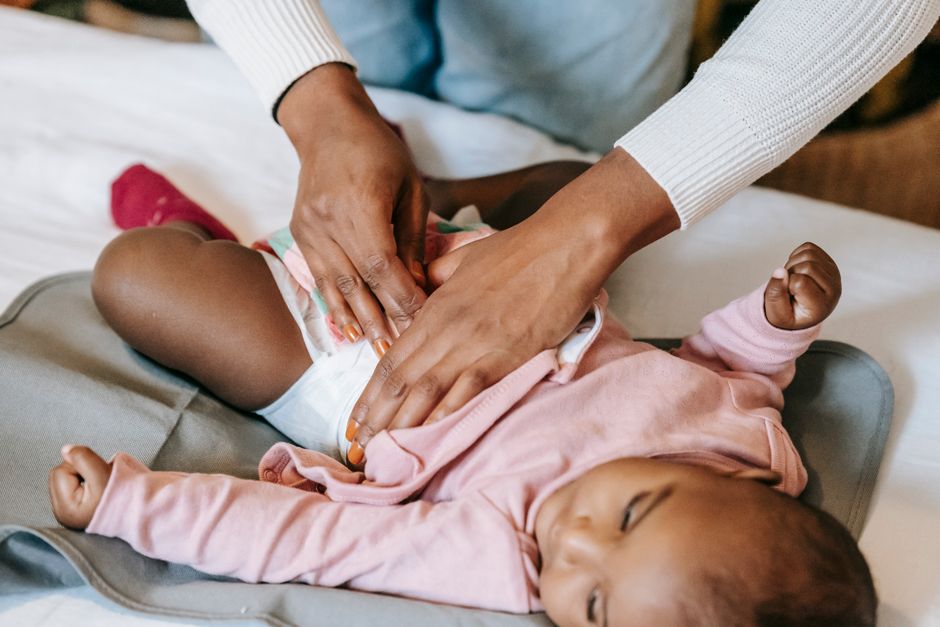
Constipation in toddlers is common, and in most cases it is not a sign of anything serious. The first steps that help are simple: offer more water and fiber-rich foods, cut back on milk if your child drinks a lot of it, and build a calm, unhurried potty routine. If those steps don’t work, a doctor can recommend an appropriate stool softener. Never give a toddler an adult laxative or enema without medical guidance.
Here is what actually helps, what the evidence supports, and when to call a doctor.
How Do I Know If My Toddler Is Actually Constipated?
Parents often worry when a child doesn’t poop every day. But frequency alone doesn’t define constipation. Normal bowel patterns in toddlers vary widely — some children go three times a day, others every two or three days. What matters more is what the stool looks like and how hard it is to pass.
Signs that point to real constipation include:
- Stools that are hard, dry, and pebble-like
- Straining, crying, or pain during a bowel movement
- Holding the body stiff, crossing the legs, or clenching to avoid pooping
- Belly pain that comes and goes
- Soiling in underwear (this can happen when soft stool leaks around a hard blockage)
- Blood streaks on the outside of the stool, usually from a small anal tear
One clarification that surprises many parents: a child who poops every day can still be constipated. If the stool is hard and painful to pass, that counts. The Bristol Stool Scale, a tool clinicians use, describes ideal stool as smooth and sausage-shaped — not separate hard lumps.
If your toddler is passing soft stool without pain, even if it’s only every other day, that is usually not constipation.
What Causes Constipation In Toddlers?
Most toddler constipation is what doctors call functional constipation. That means the bowel itself is healthy, but something in diet, routine, or behavior has thrown off the pattern.
The most common drivers include:
- Too little fiber. Toddlers who live on white bread, crackers, and dairy often miss out on the fiber that keeps stool soft.
- Too little fluid. Not drinking enough water makes stool harder to pass.
- Too much milk. Cow’s milk is low in fiber, and some children fill up on it instead of eating fiber-rich foods. Some research suggests a high intake of cow’s milk may also slow bowel function in certain children, though the exact mechanism is still debated.
- Withholding. This is the big one. If a child had one painful poop, they may clench and hold the next one out of fear. The stool then gets harder, making the next attempt more painful. This creates a cycle that can last for months if not addressed.
- Toilet training stress. Pressure to use the potty can trigger holding behavior.
- Changes in routine. Travel, starting daycare, or a new sibling can disrupt normal habits.
Less commonly, constipation can be linked to medical conditions such as thyroid problems, certain medications, or rare bowel disorders. These are uncommon in toddlers but are part of why persistent constipation deserves a doctor’s evaluation.
How To Help A Toddler Poop: Constipation Relief Tips That Work
The most effective approach combines diet changes, routine, and — when needed — medication. Doing only one of these often isn’t enough, especially if the child has been holding stool for a while.
Diet changes
Fiber and fluid work together. Fiber without enough water can actually make constipation worse.
Good fiber sources for toddlers include:
- Fruits with the skin on, such as pears, apples, and plums (prunes are a classic for a reason)
- Berries, especially raspberries and blackberries
- Vegetables like sweet potato, peas, and broccoli
- Beans and lentils, mashed or pureed
- Whole grains, such as oatmeal and whole wheat bread
There is no single official fiber target for toddlers that all organizations agree on. A commonly cited general guide is about 5 grams of fiber per day for a 1-year-old, increasing with age, but check with your pediatrician for your child’s specific needs. The practical approach is simpler: add one or two fiber-rich foods at each meal and see how your child responds.
Watch the milk. If your toddler drinks more than about 16 to 24 ounces of cow’s milk per day, that may be crowding out other foods. The American Academy of Pediatrics has historically recommended limiting cow’s milk to about 16 to 24 ounces daily for children this age. Confirm the current guidance with your pediatrician, since recommendations can be updated.
Routine and positioning
The potty posture matters more than most parents realize. When a child sits on an adult toilet with dangling feet, the muscles that control pooping can’t relax fully.
What helps:
- Use a potty chair or a toilet insert so feet rest flat on a stool
- Have your child lean slightly forward with knees above hips
- Sit for 5 to 10 minutes after meals, when the bowel reflex is strongest
- Keep it low-pressure — reading a book or singing is fine, forcing is not
Don’t expect a poop every time. The goal is to build the habit and reduce fear, not to produce a result on demand.
When medication is appropriate
If diet and routine changes aren’t enough, a doctor may recommend an osmotic laxative such as polyethylene glycol 3350. This type of medication draws water into the stool, softening it. It is not a stimulant laxative and does not cause the bowel to contract forcefully.
This is important: do not give a toddler an adult laxative, enema, or suppository without a doctor’s instruction. Some products are not appropriate for young children, and dosing depends on weight and the specific situation.
For children who have been holding stool for a long time, doctors sometimes prescribe a “clean-out” to clear a backlog, followed by a maintenance dose for weeks or months. This is standard clinical practice, though the exact regimen varies by provider. Skipping the maintenance phase is a common reason constipation comes back.





What About Prune Juice, Water, And Other Home Remedies?
Some home remedies have reasonable support. Others don’t.
Prune juice has been used for decades and contains sorbitol, a natural sugar alcohol that draws water into the bowel. Small amounts — a few ounces — are often tried for toddlers. There is limited formal research in this age group specifically, but it is widely used in practice and generally considered low-risk in small amounts.
Extra water helps only if the child is underhydrated. If they’re already drinking well, adding more water on top of a high-fiber diet is unlikely to solve the problem on its own.
Probiotics are often marketed for constipation. The evidence in toddlers is mixed, and no specific strain has been established as reliably effective for this age group. Some studies suggest possible benefit, but results vary. This is not a first-line approach.
Massage, warm baths, and tummy time may help a child relax, but there’s no strong evidence they resolve constipation. They’re not harmful and can be part of a calming routine.
Corn syrup or honey should not be used. Honey is unsafe for children under 12 months due to botulism risk, and corn syrup has no established benefit for constipation.
When Should I Call The Doctor?
Most toddler constipation can be managed at home. But some situations need medical attention.
Call your pediatrician if:
- Constipation lasts more than two weeks despite diet and routine changes
- Your child has severe belly pain, vomiting, or a swollen belly
- You see blood in the stool or heavy bleeding
- Your child is not gaining weight or is losing weight
- Soiling is happening and you’re not sure why
- Your child seems to be in significant pain
Seek emergency care if your child has a hard, distended belly, is vomiting green or bloody material, or seems very unwell. These can be signs of a bowel obstruction, which is rare but serious.
Also tell your doctor if constipation started suddenly in a child who previously had no issues, or if there are other symptoms like fever or poor growth.
How Long Does It Take To Fix Toddler Constipation?
This is where many parents get discouraged. If a child has been constipated for weeks or months, the bowel can become stretched and sluggish. Even after stool softens, it can take time for normal function to return.
Doctors often describe a timeline of weeks to months, not days. The key is consistency — keeping stool soft so the child stops associating pooping with pain. Once that fear fades, the holding behavior usually stops too.
Relapses are common, especially during illness, travel, or toilet training. If constipation returns, going back to the basics — fiber, fluid, routine, and a check-in with your doctor — usually gets things back on track.
Frequently Asked Questions
How can I help my toddler poop right now?
Offer water and a small amount of prune juice, and have them sit on the potty with feet supported for 5 to 10 minutes after a meal. If they’re in pain or haven’t pooped in several days, call your pediatrician before trying any medication.
What foods make a toddler poop fast?
Prunes, pears, and berries are often helpful because they contain fiber and natural sugars that draw water into the bowel. There is no food that works instantly, but these are reasonable first choices.
Is it normal for a toddler to go days without pooping?
Some toddlers normally poop every two or three days, so frequency alone isn’t the issue. If the stool is hard, painful, or your child is straining or holding, that’s constipation regardless of how often they go.
Can I give my toddler a laxative?
Only if a doctor recommends it. Some laxatives are not safe for young children, and the right choice and dose depend on your child’s age, weight, and situation.
