
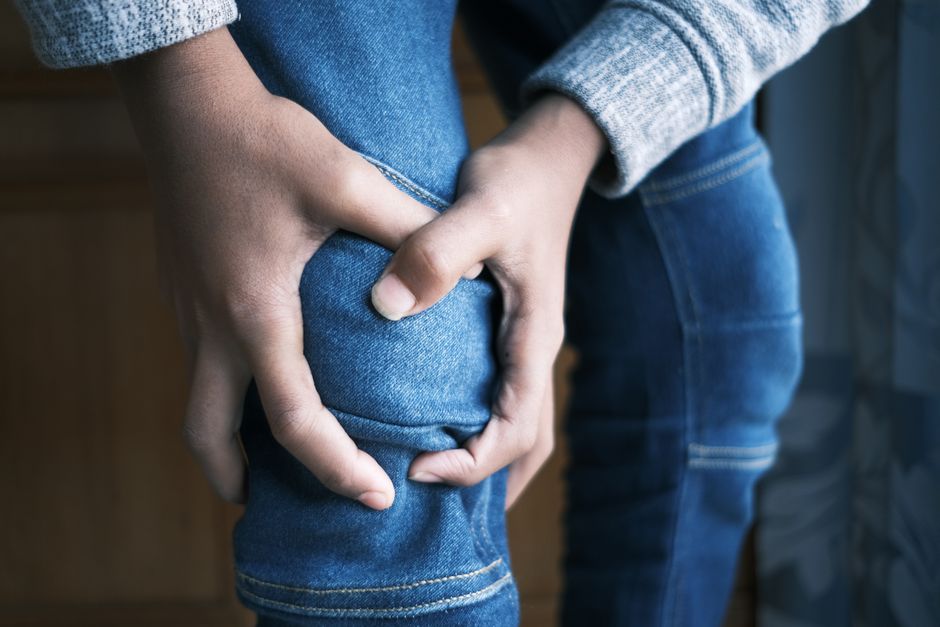
A sore knee is a signal, not a sentence. Most everyday knee pain from a twist, a long walk, or too much time on hard floors settles down with a simple routine you can start at home. Ice, rest, and gentle movement are the first steps, and they work best when you understand why each one helps and when it is time to see a doctor.
Knee pain is one of the most common reasons adults visit a doctor. The knee is a hinge joint that carries your body weight while letting you bend, straighten, and pivot. When something irritates it, the joint often responds with swelling, stiffness, and pain. The good news is that the basics of home care are well established and easy to follow.
What Should You Do First When Your Knee Hurts?
Protect the knee and calm the irritation. The first day or two matter most for a fresh injury or a sudden flare.
Start by taking weight off the joint. Sit down, prop your leg up, and avoid the activity that triggered the pain. If the knee is swollen, gentle compression and elevation can help limit fluid buildup. Over-the-counter pain relievers such as acetaminophen or ibuprofen are commonly used for short-term relief, though you should check with a doctor or pharmacist if you take other medications or have health conditions.
Ice is the tool most people reach for, and it has a clear purpose. Cold narrows blood vessels near the surface, which can reduce blood flow to the area and ease pain. It does not repair tissue. It buys you comfort while the body does its own work.
One important point that often gets lost: the old advice to rest completely for days is no longer favored for most minor knee pain. Prolonged bed rest can weaken the muscles that support the knee and slow your recovery. Gentle movement, within a pain-free range, usually helps more than total stillness once the first day or two have passed.
How To Help A Sore Knee Ice Rest And More?
The core routine combines four things: ice, rest, compression, and elevation. This is often shortened to the acronym RICE. Some clinicians now add a fifth letter, P for protection, making it PRICE. The goal is the same — reduce swelling and pain while you let the joint settle.
Here is how each part works in practice.
- Ice: Apply a cold pack for short periods, several times a day, during the first day or two. Always put a thin cloth between the cold and your skin. Do not fall asleep with an ice pack on your knee.
- Rest: Cut back on the activity that caused the pain. Rest does not mean lying still all day. It means avoiding the movements that hurt.
- Compression: A soft elastic bandage can limit swelling. It should feel snug but never tight enough to cause numbness, tingling, or color changes in your toes.
- Elevation: Raise the knee above the level of your heart when you can. This uses gravity to help fluid drain away from the joint.
The evidence for these steps is strongest for short-term comfort. Research has not shown that icing speeds tissue healing or shortens recovery time. It reduces pain and swelling, which matters, but it is not a repair mechanism. That distinction is worth keeping in mind so you do not expect ice to do more than it can.
How Long Should You Ice a Sore Knee?
Cold therapy is meant for the early phase. Most guidance suggests applying ice for about 15 to 20 minutes at a time, with a break of at least an hour or two between sessions, during the first 48 to 72 hours after an injury or flare.
After that window, the value of ice drops. If swelling has gone down and pain is improving, you can stop. Some people still use ice after activity if it helps them feel better, and that is reasonable for comfort, but it is no longer doing the job it did in the first days.
A few cautions matter here. People with poor circulation, diabetes, or reduced sensation in the legs should be especially careful with cold packs, because they may not feel damage as it happens. Never apply ice directly to bare skin for long periods.



When Should You Use Heat Instead of Ice?
Heat and cold do different jobs. Cold is for fresh swelling and sharp pain. Heat is for stiffness and muscle tightness, especially in the days after the acute phase has passed.
Warm showers, heating pads, or warm compresses can relax tight muscles around the knee and make movement feel easier. Heat does not reduce swelling and can make it worse in the first day or two of an injury, so timing matters.
A simple rule many clinicians use: if the knee looks puffy or feels hot to the touch, choose cold. If it feels stiff and tight but is not swollen, heat is often more comfortable.
What Else Helps a Sore Knee Recover?
Once the sharp pain eases, gentle activity is your best ally. The muscles around the knee — mainly the quadriceps in front and the hamstrings behind — act like a support system. Keeping them strong protects the joint.
Low-impact movement tends to work well. Walking on flat ground, swimming, and stationary cycling are common choices because they put less stress on the joint than running or jumping. Start slow and stop if pain gets worse.
Some people find that losing excess weight reduces knee pain, particularly for osteoarthritis of the knee. This is one of the better-supported findings in joint health: carrying less weight means less load on the knee with every step. Even modest weight loss can make a difference for some people.
Braces and sleeves are widely sold, and some people find them helpful for comfort or confidence. The evidence that they change the underlying problem is limited. They are a support tool, not a treatment.
Physical therapy is often recommended when pain lingers. A therapist can assess how your knee moves and build a program to strengthen the muscles around it. This is common clinical practice and is supported for many knee conditions, though the exact benefit depends on the cause.
When Is a Sore Knee a Sign of Something Serious?
Most sore knees are not emergencies. Some situations need prompt medical attention.
See a doctor if you cannot put weight on the leg, if the knee locks or gives way, if you heard a pop at the time of injury, or if the joint looks deformed. These can point to a ligament tear, a meniscus injury, or a fracture.
Other warning signs include a knee that is red, hot, and very swollen, especially with fever. That combination can suggest an infection in the joint, which is a medical emergency. Sudden swelling without injury, or pain that keeps you awake at night, also deserves a professional look.
For people with osteoarthritis, the pain tends to build slowly over months or years and is often worse after activity or at the end of the day. That pattern is different from a sudden injury and is managed differently.
What Does Recovery Usually Look Like?
A minor strain or flare often improves within a few days to a couple of weeks with home care. The exact timeline depends on what caused the pain and how severe it is.
If pain is not improving after a week or two of sensible home care, or if it is getting worse, that is a signal to get it checked. A doctor can examine the knee, and if needed, order imaging to find the cause. Knowing the cause changes the plan, because a ligament injury, a meniscus tear, and osteoarthritis each need different approaches.
Frequently Asked Questions
How long should I ice a sore knee?
Apply ice for about 15 to 20 minutes at a time, with breaks of at least an hour between sessions, mainly during the first 48 to 72 hours. After that, ice is mostly for comfort rather than swelling control.
Should I rest completely or keep moving?
Complete rest for days is generally not recommended for minor knee pain. Gentle, pain-free movement usually helps more once the first day or two have passed.
When should I see a doctor for knee pain?
See a doctor if you cannot bear weight, the knee locks or gives way, or it is red, hot, and swollen with a fever. Pain that is not improving after a week or two also warrants a check.
Is heat or ice better for a sore knee?
Ice is better for fresh swelling and sharp pain, while heat is better for stiffness and tight muscles after the acute phase. If the knee looks puffy, choose cold.
