
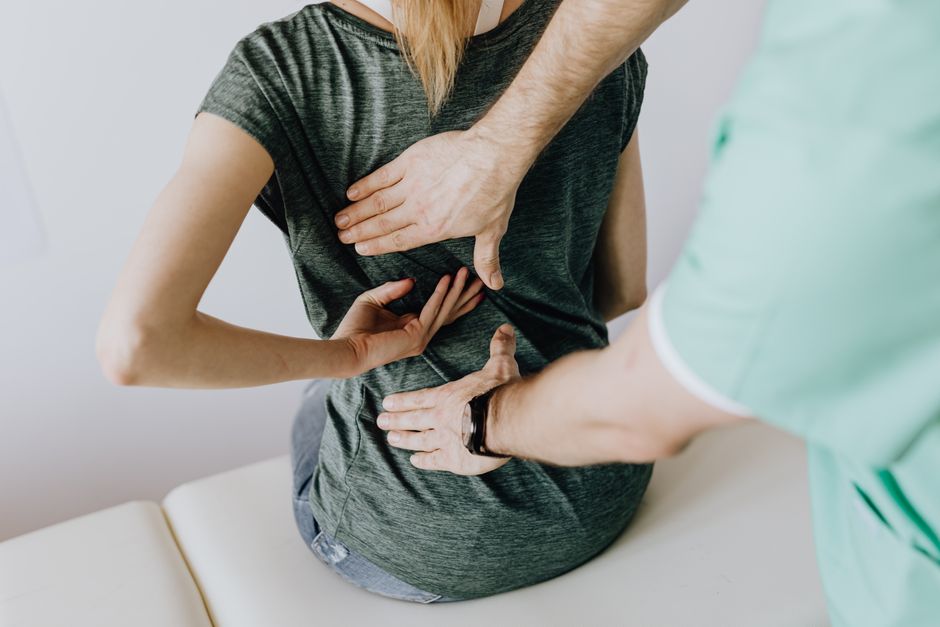
A slipped disc is one of the most common causes of back pain and sciatica, and for most people it improves without surgery. The fastest way to help it heal at home is to stay gently active rather than lie in bed, manage pain so you can keep moving, and give the disc time — most cases of sciatica from a herniated disc ease substantially within a few weeks to a few months.
What you do in the first days matters. Rest that lasts too long actually slows recovery. So does pushing through severe pain. The approach that works sits in the middle: move within your comfort zone, use heat or cold and over-the-counter pain relief as needed, and watch for warning signs that mean you need medical care.
What Actually Happens When a Disc Slips?
The term “slipped disc” is misleading. The disc does not slide out of place. It is a cushion between your spinal bones made of a soft inner core surrounded by a tougher outer ring. A herniated disc means the soft inner material pushes out through a tear in the outer ring.
When that bulging or leaked material presses on a nearby nerve root, you feel it. That is why a herniated disc often causes pain that travels down a leg or arm rather than staying in the back. The medical name for this is radiculopathy. In the lower back it produces sciatica — pain, numbness, or tingling running down the buttock and leg.
Here is the part that surprises many people. The body treats a herniated disc like an injury and sends in immune cells to break down and clear the leaked material. Over weeks to months, the disc fragment often shrinks on its own. Research using imaging has shown that a large share of herniated disc fragments reduce in size over time, and that this shrinkage tends to line up with symptom improvement. This natural cleanup is the main reason most cases get better without surgery.
Should You Rest in Bed or Keep Moving?
Keep moving, within reason. Extended bed rest is no longer recommended for a herniated disc and can make things worse by stiffening muscles and weakening your back.
That guidance changed decades ago. Older advice pushed weeks of flat rest. Studies since then found that people who stayed active recovered faster and had less pain than those confined to bed. Prolonged rest also raises the risk of blood clots and loss of muscle strength.
Gentle activity keeps blood flowing to the area and prevents the muscles around your spine from tightening up. Walking on flat ground is one of the safest options. Short, frequent walks beat one long exhausting one. If a certain movement sharply increases leg pain, stop that movement — but do not stop all movement.
The goal is to stay in a range where pain stays manageable. Some soreness is expected. Sharp, shooting pain that travels down the leg is a signal to ease off.
How To Help A Slipped Disc Heal Faster At Home
These steps support the body’s natural healing and keep you comfortable while it happens.
Use heat and cold. Cold packs can dull fresh pain and reduce inflammation in the first day or two. Heat relaxes tight muscles and eases stiffness. Many people alternate them. Neither speeds disc healing directly, but both help you stay mobile, and staying mobile is what matters.
Try over-the-counter pain relievers. Nonsteroidal anti-inflammatory drugs (NSAIDs) such as ibuprofen and naproxen can reduce pain and inflammation. Acetaminophen helps with pain. Follow the label, respect the maximum daily dose, and check with a pharmacist or doctor if you take other medications or have stomach, kidney, or heart conditions. NSAIDs are not safe for everyone.
Keep moving gently. Walk, and do light daily tasks you can tolerate. Avoid bed rest beyond a day or two.
Build core and back support slowly. Once the sharp pain settles, gentle exercises that strengthen the muscles supporting your spine can help. Start only when movement is not sharply painful. A physical therapist can tailor this to you, and that is often worth it.
Fix your sleep and sitting positions. A firmer mattress and a pillow under or between the knees can reduce strain. When sitting, keep your feet flat and your lower back supported. Get up and move every 30 minutes or so.
Watch your lifting and bending. Bend at the knees, keep the load close to your body, and avoid twisting while lifting. This prevents re-injury while the disc is healing.
Stay patient with the timeline. Disc healing is measured in weeks, not days. Pushing too hard too soon is a common reason people flare up again.


What About Stretching and Exercise?
Gentle movement helps. Aggressive stretching does not. The evidence here is mixed, and the right exercises depend on which disc is affected and how your symptoms behave.
Some movements reliably make sciatica worse — typically bending forward, sitting for long periods, or anything that increases leg pain. Others, like lying on your stomach propped on your elbows (a gentle extension), ease symptoms for some people. This varies. What helps one person can hurt another.
A physical therapist can identify which direction of movement calms your symptoms. That assessment is more useful than any general list. If you cannot see a therapist, use a simple rule: movements that reduce leg pain are usually safe to continue, and movements that push pain further down the leg should be stopped.
Do not force stretches to “release” a nerve. Stretching a nerve that is already irritated can make it angrier.
When Should You See a Doctor?
Most herniated discs do not need urgent care. Some situations do, and a few are emergencies.
Seek emergency care immediately if you have:
- Loss of bladder or bowel control
- Numbness in the groin or inner thighs (saddle area)
- Rapidly worsening weakness in one or both legs
- Severe weakness that makes it hard to walk or stand
These can signal cauda equina syndrome, a rare but serious condition where nerves at the base of the spine are compressed. It needs urgent treatment. Do not wait.
See a doctor soon, rather than waiting it out, if:
- Pain is severe and not improving after a few weeks
- Weakness is getting worse
- You have fever, unexplained weight loss, or a history of cancer
- Pain started after a significant fall or accident
- You have numbness that is spreading
Also see a doctor if your symptoms are not improving after several weeks of home care. There are treatments — physical therapy, injections, and in some cases surgery — that can help when conservative care is not enough.
What Does the Evidence Say About Recovery?
Most people with a herniated disc improve without surgery. That is well established. The exact share varies by study, and I will not quote a precise figure because the numbers differ across research.
What is consistent: symptoms usually improve gradually over weeks to a few months, and the leaked disc material often shrinks over that same period. Conservative care — staying active, managing pain, and physical therapy — is the standard first approach.
What is less certain is whether any single home remedy accelerates healing beyond the body’s natural timeline. Heat, cold, and NSAIDs ease pain and help you function, but they do not appear to speed up the disc’s own repair. Be skeptical of products or routines that promise to “heal a disc fast.” No strong evidence supports them.
The honest position is this: your job at home is to support recovery, not force it. Stay mobile, manage pain, avoid re-injury, and give it time. That is what the evidence supports.
Frequently Asked Questions
How long does a slipped disc take to heal?
Most people improve over weeks to a few months, though some take longer. The leaked disc material often shrinks on its own during that time, which lines up with symptom relief.
Is it better to rest or stay active with a slipped disc?
Staying gently active is better than prolonged bed rest. Extended rest can stiffen muscles and slow recovery, so short walks and light activity within your comfort zone are usually recommended.
What are the red flag symptoms of a slipped disc?
Loss of bladder or bowel control, numbness in the groin or inner thighs, and rapidly worsening leg weakness are red flags that need emergency care. These can signal a rare but serious nerve compression.
Can a slipped disc heal without surgery?
Yes, most herniated discs improve without surgery through conservative care like staying active, pain management, and physical therapy. Surgery is usually considered only when symptoms are severe or do not improve.
