
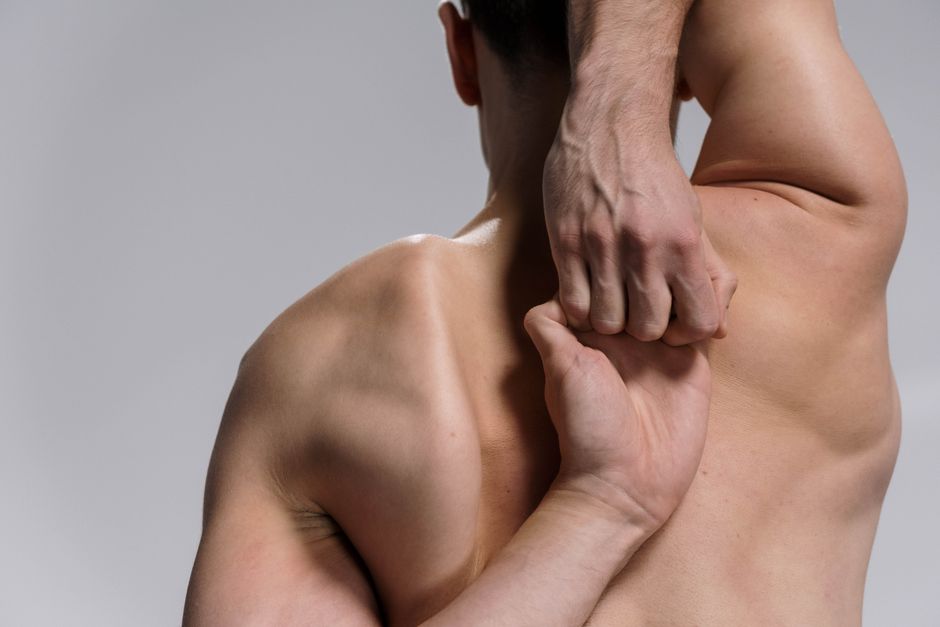
A pulled back muscle usually starts getting better within a few days, and most people recover fully within a few weeks without surgery or prescription medication. The fastest path to relief is a short period of relative rest, gentle movement as pain allows, over-the-counter pain relief if you can take it safely, and a gradual return to normal activity. Lying in bed for days is not helpful and can actually make stiffness and pain worse.
The medical term for a pulled muscle is a strain. It means muscle fibers have been overstretched or torn, usually in the lower back where the muscles do the most work. Knowing what is happening in the tissue explains why the advice below looks the way it does.
What Actually Happens When You Pull a Back Muscle?
A strain is a physical tear in muscle tissue, ranging from microscopic damage to a partial tear. The muscles most often involved in the lower back are the erector spinae, which run along both sides of the spine, and the quadratus lumborum, a deep muscle connecting the pelvis to the lowest ribs.
When those fibers tear, the body sends inflammatory cells to the area. That inflammation is not the enemy. It is the repair process. It brings blood flow, clears damaged tissue, and signals the rebuilding of new fibers. This is why the first day or two often hurts more than the injury itself felt at the moment it happened.
The pain also comes with a protective reflex. The surrounding muscles tighten to splint the area and limit movement. That guarding response is useful briefly, but if it continues for days it becomes part of the problem. Sustained muscle contraction reduces blood flow and keeps the area stiff and sore.
This mechanism explains why the old advice to rest completely for a week or more has largely fallen out of favor. Some research suggests prolonged bed rest can slow recovery and increase the risk of the pain becoming long-lasting.
How To Help A Pulled Back Muscle in the First 48 Hours
The first two days are about calming the acute reaction without shutting down movement entirely. The goal is to reduce pain enough that you can start moving gently.
Relative rest means avoiding the activity that caused the strain, not avoiding all activity. Walking short distances on flat ground, changing positions regularly, and doing light daily tasks within your pain limits are all reasonable. What you want to avoid is heavy lifting, twisting, bending forward repeatedly, and anything that sharply increases pain.
Cold and heat both have a role, though the evidence for either is modest. Cold packs may reduce pain and inflammation in the first day or two. Heat may relax muscle spasm and feel better after the initial period. Neither is proven to speed tissue healing, so use whichever gives you comfort. Always put a cloth between the pack and your skin, and limit each application to about 15 to 20 minutes.
Over-the-counter pain relievers can help you move more comfortably. Acetaminophen and nonsteroidal anti-inflammatory drugs like ibuprofen are commonly used. If you have kidney disease, stomach ulcers, heart conditions, or take blood thinners, check with a clinician or pharmacist before using NSAIDs. This is not a minor caution. NSAIDs carry real risks for some people.
Some clinicians recommend topical NSAID gels for localized back pain, and there is reasonable evidence they can reduce pain with fewer systemic side effects than pills. If you are unsure what applies to you, ask a pharmacist. That conversation takes two minutes and can prevent a problem.
Should You Use Heat or Ice on a Pulled Back Muscle?
Neither heat nor ice has been shown to repair torn muscle fibers. Both are comfort tools, and the choice comes down to what feels better and when you are using them.
- Ice may dull sharp pain and reduce swelling in the first day or two after injury.
- Heat may ease muscle tightness and spasm, which tends to be more of an issue after the first couple of days.
- Either can be used if it helps you move more easily, since movement is the real goal.
A common mistake is leaving a pack on too long or applying it directly to skin. Both heat and cold can burn tissue. Keep sessions to roughly 15 to 20 minutes with a barrier layer between the pack and your skin.
If you have reduced sensation from diabetes or a nerve condition, be especially careful with heat. You may not feel a burn developing.
When Should You See a Doctor for Back Pain?
Most muscle strains improve on their own. Some situations need medical attention, and a few need it urgently. Knowing the difference matters more than knowing the exact diagnosis.
Seek care promptly if you have any of the following:
- Loss of bladder or bowel control
- Numbness or weakness in both legs, or in the groin and inner thigh area
- Severe pain that started after a fall, car accident, or other significant trauma
- Pain that is getting worse instead of better over several days
- Fever, unexplained weight loss, or a history of cancer
- Back pain that wakes you from sleep or is worse at night
The combination of bladder or bowel changes with leg weakness or groin numbness is a red flag that requires emergency evaluation. It can signal a serious spinal condition that needs immediate treatment.
For pain that is not improving after a few weeks, or that keeps returning, a clinician can help rule out other causes. Not all back pain is muscular. Herniated discs, spinal stenosis, arthritis, kidney problems, and other conditions can produce similar symptoms. A strain is a reasonable assumption for sudden pain after lifting or twisting, but it is still an assumption.
How Long Does a Pulled Back Muscle Take to Heal?
Mild strains often feel noticeably better within one to two weeks. More significant strains can take four to six weeks or longer. These are general ranges, not guarantees, and individual recovery varies widely based on the severity of the tear, your overall health, and how you manage activity during recovery.
Healing happens in stages. The inflammatory phase lasts a few days. The repair phase, where new tissue is built, lasts a few weeks. The remodeling phase, where the tissue regains strength and organizes itself, can continue for months. This is why a muscle can feel fine before it is fully strong again.
That last point matters for anyone returning to lifting, sports, or physical work. Feeling better is not the same as being healed. Pushing back to full intensity too soon is one of the most common reasons a strain recurs.
What Helps Recovery Beyond the First Few Days?
Once the sharp pain settles, gentle movement becomes the main tool. Staying still too long allows muscles to stiffen and weaken, which makes the area more vulnerable to another strain.
Walking is a good starting point for most people. Short, frequent walks are usually better tolerated than one long one. As pain allows, you can add gentle range-of-motion movements. A clinician or physical therapist can give you specific exercises matched to your injury, which is more reliable than following general routines online.
Physical therapy has reasonable evidence for helping chronic and recurrent low back pain. For an acute strain, the evidence is less clear, but many clinicians still recommend it when pain lingers or keeps coming back. That is a case of common practice running ahead of strong trial data, and it is worth knowing the difference.
Things that generally do not help and may hurt:
- Bed rest beyond a day or two
- Pushing through sharp pain to “loosen it up”
- Heavy lifting or twisting before you have recovered
- Ignoring persistent or worsening symptoms
How Can You Prevent Pulling a Back Muscle Again?
Recurrence is common, and the strongest protection is building and maintaining strength in the muscles that support the spine. That includes the core, the glutes, and the muscles along the back itself.
Regular activity matters more than any single exercise. People who stay generally active tend to have fewer episodes of low back pain than those who are mostly sedentary, though the research on this is not perfectly consistent. What is well established is that deconditioned muscles tire faster and provide less support.
Technique during lifting makes a real difference. Bend at the knees and hips rather than rounding the lower back. Keep the load close to your body. Avoid twisting while lifting. If a load is too heavy, get help or use a tool. No one has ever injured their back by asking for assistance.
Warming up before physical work or exercise is reasonable, though the evidence for injury prevention specifically is mixed. It costs little and may help performance regardless.
If you have repeated strains, it is worth looking at the pattern rather than treating each one in isolation. Recurring injuries often point to a weakness, a movement habit, or an underlying condition that a clinician or physical therapist can help identify.
Frequently Asked Questions
How long does a pulled back muscle take to heal?
Mild strains often improve within one to two weeks, while more significant strains can take four to six weeks or longer. Recovery time depends on the severity of the tear and how you manage activity during healing.
Should I rest or keep moving with a pulled back muscle?
Gentle movement is generally better than prolonged rest once the sharp pain settles. Bed rest beyond a day or two can increase stiffness and slow recovery.
Is heat or ice better for a pulled back muscle?
Both are comfort tools rather than healing treatments, and neither is clearly superior. Ice may help with sharp pain early on, while heat may ease muscle tightness later.
When should I see a doctor for a pulled back muscle?
See a doctor if you have loss of bladder or bowel control, numbness or weakness in both legs, severe pain after trauma, or pain that keeps getting worse. These signs need prompt evaluation.
