
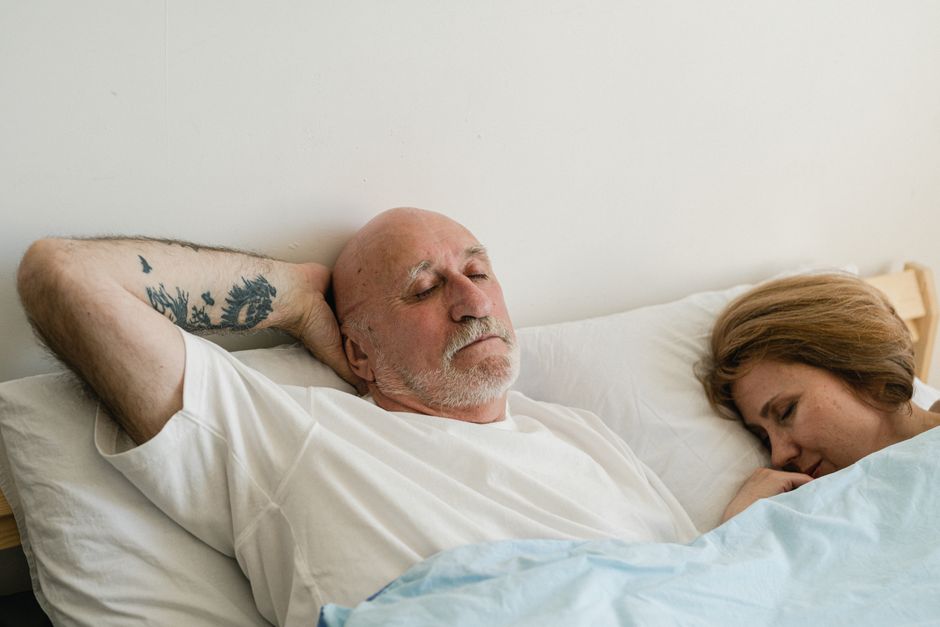
Watching someone you love stop breathing in their sleep is frightening. The most important thing you can do is get them evaluated for obstructive sleep apnea, because it is a medical condition, not a habit or a personality flaw. Encourage them to see a doctor and offer to go with them. Then support the treatment they choose, since the right treatment can lower serious health risks and improve how they feel every day.
How To Help A Loved One With Sleep Apnea?
Start by understanding what is actually happening. Obstructive sleep apnea (OSA) is a condition where the upper airway repeatedly narrows or closes during sleep. Each pause in breathing can last several seconds and may happen many times an hour. The brain briefly rouses the sleeper to reopen the airway, often without them fully waking or remembering it.
This cycle matters because it does two things at once. It fragments sleep, so the person never reaches the deeper stages that restore the body. And it drops oxygen levels in the blood, which puts stress on the heart and blood vessels over time.
Untreated OSA is associated with higher risks of high blood pressure, heart disease, stroke, and type 2 diabetes. It also raises the risk of car accidents because of daytime sleepiness. These are well-established associations, not scare tactics.
The condition is common. It affects a large share of adults, and many people who have it do not know it. That is partly because the symptoms happen during sleep, when nobody is watching. A bed partner is often the first person to notice.
What Signs Should You Watch For in Your Loved One?
Loud, frequent snoring is the classic sign, but snoring alone does not confirm sleep apnea. Many people snore and breathe normally. The more telling signs happen when breathing stops or becomes shallow.
Listen for pauses in breathing followed by a gasp, snort, or choking sound. Watch for restless sleep, frequent shifting, or the person sitting up suddenly. Some people wake with a dry mouth or a headache.
During the day, look for signs you might not connect to sleep:
- Feeling very sleepy during the day, even after a full night in bed
- Falling asleep while reading, watching TV, or driving
- Trouble concentrating or remembering things
- Irritability or mood changes
- Morning headaches
Two cautions are worth stating plainly. First, not everyone with sleep apnea snores loudly, and not everyone who snores has it. Second, daytime sleepiness has many possible causes, including other sleep disorders, medication effects, and depression. A doctor needs to sort out which one applies.
You are not diagnosing your loved one. You are gathering observations that help a clinician decide what to test for.
How Do You Raise the Topic Without Causing a Fight?
People often resist the conversation because sleep apnea can feel embarrassing or because they do not believe anything is wrong. They are asleep when it happens, so they have no memory of it.
Lead with what you observed, not with a label. Saying “I heard you stop breathing a few times last night and it scared me” lands very differently than “You have sleep apnea.”
Keep the focus on concern, not criticism. The snoring is not a choice, and the daytime sleepiness is not laziness. Framing it as a health issue rather than a nuisance helps.
Offer to help in concrete ways. You can call the doctor’s office, help find a sleep specialist, or go to the appointment with them. Some people find it easier to bring a partner who can describe what happens at night, since the patient cannot.
If they refuse, do not push every day. Plant the idea, leave the door open, and bring it up again later. Change often comes after a person connects their own symptoms to the problem.


What Happens at a Sleep Evaluation?
A doctor will ask about sleep habits, daytime symptoms, and other health conditions. They may use a screening questionnaire and check for risk factors such as weight, neck size, and family history.
If sleep apnea is suspected, the next step is usually a sleep study. This can be done overnight in a sleep center, or sometimes at home with a portable device. The study measures breathing, oxygen levels, and brain activity during sleep.
The results show how often breathing stops or slows per hour of sleep. This number, called the apnea-hypopnea index, helps classify the condition as mild, moderate, or severe. That classification guides treatment.
Do not guess at the severity from symptoms alone. A person can snore loudly with mild apnea or have few complaints with severe apnea. Only testing sorts this out.
What Treatments Are Available, and How Can You Support Them?
The most common treatment for moderate to severe obstructive sleep apnea is CPAP, which stands for continuous positive airway pressure. A machine delivers gentle air pressure through a mask to keep the airway open.
CPAP is well supported by evidence for reducing breathing pauses and improving daytime sleepiness. Its main challenge is comfort. Many people struggle with the mask, noise, or dryness at first, and some stop using it.
This is where your support matters most. Getting used to CPAP often takes weeks, not days. Encouragement during that adjustment period can make the difference between sticking with it and giving up.
Ways to help:
- Encourage them to go back to the provider if the mask leaks, hurts, or feels wrong. Fit problems are common and often fixable.
- Remind them that trying different mask styles is normal. There is no single best mask for everyone.
- Keep the tone positive. Pressure and nagging tend to backfire.
Other options exist. Some people benefit from a custom oral appliance that repositions the lower jaw, fitted by a dentist trained in sleep medicine. Surgery is an option for certain cases, though it is not right for everyone. Positional therapy, which helps a person avoid sleeping on their back, may help some people with mild apnea.
There is no single treatment that works for everyone. What works depends on the severity, the anatomy of the airway, and the person’s preferences. A sleep specialist can help match treatment to the individual.
What Lifestyle Changes Actually Help?
Some lifestyle factors clearly influence sleep apnea, and changes can reduce its severity. Weight is the most significant one. Excess weight around the neck and throat can narrow the airway, and losing weight can reduce apnea in people who carry extra weight.
Alcohol deserves a direct mention. Drinking alcohol in the evening can relax the muscles that keep the airway open, which may make apnea worse. Avoiding alcohol close to bedtime is a reasonable step for many people.
Sleeping position matters for some. Sleeping on the back can make apnea worse because gravity pulls the tongue and soft tissues back. Side sleeping helps some people.
Smoking is associated with airway inflammation and increased risk, so quitting is worthwhile for many reasons. Sedatives and sleeping pills can also relax airway muscles, so it is worth asking a doctor before using them.
None of these changes replace medical treatment for moderate or severe apnea. Think of them as things that can help alongside treatment, not instead of it.
How Can You Protect Their Safety in the Meantime?
Untreated sleep apnea raises the risk of drowsy driving, which is a real danger. If your loved one is very sleepy during the day, encourage them to avoid driving when they feel drowsy and to be honest with their doctor about it.
If they share a bed with you, your own sleep may be disrupted too. That is a legitimate reason to seek help, not a selfish one. Better sleep for both of you is a reasonable goal.
Finally, be patient. Sleep apnea is a long-term condition, and treatment is a process. Some people adjust quickly, and others take months. Your steady support through that process is one of the most useful things you can offer.
Frequently Asked Questions
Can sleep apnea be cured?
Some cases improve significantly with weight loss or surgery, but for many people it is a long-term condition managed rather than cured. Treatment can control it well and reduce health risks.
Is snoring always a sign of sleep apnea?
No. Many people snore without having sleep apnea, and some people with sleep apnea do not snore loudly. Only a sleep study can confirm the diagnosis.
What is the best treatment for sleep apnea?
CPAP is the most common and best-supported treatment for moderate to severe obstructive sleep apnea. Oral appliances, surgery, and positional therapy may suit some people, and a sleep specialist can help decide.
How long does it take to get used to CPAP?
Adjustment often takes several weeks, and comfort problems like mask leaks or dryness are common early on. Working with the provider to fix fit issues usually helps.
