
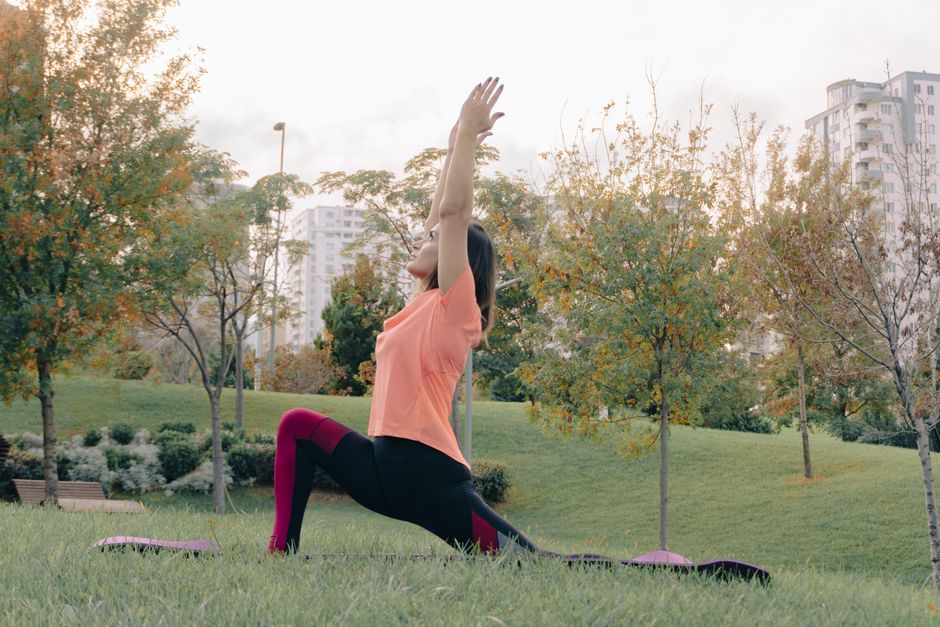
Your lungs have a limited ability to repair themselves, and no food or exercise can reverse scarring or rebuild destroyed tissue. What exercise and diet can do is help your lungs work with what they have, keep the muscles of breathing strong, reduce inflammation, and lower your risk of infections that damage lungs further. The most proven approach combines regular aerobic activity, breathing exercises, a diet rich in fruits and vegetables, and avoiding smoke and pollutants.
How To Heal Your Lungs Naturally With Exercises And Diet
Lung tissue itself regenerates poorly. The alveoli — tiny air sacs where oxygen enters the blood — have some capacity for repair, but chronic damage from smoking, pollution, or disease often leaves permanent changes. This is why “healing” your lungs naturally is really about protecting the healthy tissue you have and making the rest work more efficiently.
Two things genuinely help. First, physical activity improves how your muscles use oxygen, so everyday tasks demand less breathing effort. Second, a nutritious diet supports immune defense and may reduce airway inflammation. Neither reverses structural damage. Both improve how you feel and function.
One non-obvious point: your breathing muscles — the diaphragm and intercostals — are skeletal muscles. Like any muscle, they respond to training. Exercise does not just help your legs; it conditions the muscles that do the work of breathing.
Which Exercises Actually Help Lung Function?
Aerobic exercise is the best-supported approach. Walking, cycling, swimming, and jogging raise your heart rate and make you breathe harder, which trains your cardiovascular and respiratory systems to work together more efficiently. Research consistently shows that regular aerobic activity improves exercise tolerance and quality of life in people with chronic lung conditions.
For people with COPD or asthma, supervised pulmonary rehabilitation programs have strong evidence behind them. These combine exercise training with education and breathing techniques, and studies show they reduce breathlessness and hospital admissions. If you have a chronic lung condition, ask your doctor about a referral.
Breathing exercises are widely taught and often helpful for managing breathlessness, though the evidence for changing lung function itself is limited. Pursed-lip breathing — breathing in through the nose and out slowly through pursed lips — helps keep airways open longer during exhalation. Diaphragmatic breathing trains you to use your diaphragm rather than the muscles of your upper chest. These techniques help people feel more in control of their breathing. They do not increase lung capacity.
Strength training for the arms and legs also matters. Stronger limbs mean daily activities require less oxygen, which reduces breathlessness.
What Should You Eat To Support Lung Health?
No single food heals lungs. The strongest dietary evidence points to overall eating patterns rather than individual ingredients. Diets high in fruits, vegetables, whole grains, and fish are consistently associated with better lung function and slower decline over time.
Several nutrients appear in research on lung health:
- Vitamin C — found in citrus, peppers, and strawberries. It supports immune function and acts as an antioxidant.
- Vitamin E — found in nuts, seeds, and vegetable oils. It is an antioxidant that may help protect lung tissue from oxidative stress.
- Omega-3 fatty acids — found in fish like salmon and sardines. Some studies suggest they may reduce airway inflammation.
- Fiber — from beans, oats, and vegetables. Higher fiber intake is associated with better lung function in observational studies.
- Carotenoids — found in carrots, sweet potatoes, and leafy greens. These are precursors to vitamin A, which supports the lining of the airways.
These associations come largely from observational studies. They show links, not proof that eating more of a nutrient prevents or reverses lung disease. The evidence is strongest for a Mediterranean-style eating pattern, not for supplements. Supplement trials for lung health have generally been disappointing.
One important caution: if you have COPD, unintentional weight loss and muscle wasting are serious problems. In that case, adequate calories and protein matter more than any specific nutrient.
Does Quitting Smoking Really Heal Your Lungs?
Yes, and it is the single most effective thing a smoker can do. Within weeks of quitting, lung function begins to improve. Cilia — the tiny hair-like structures that sweep mucus and debris out of the airways — start to recover, and coughing often decreases over time.
The damage already done to alveoli does not reverse. But the rate of decline in lung function slows to near that of a non-smoker. This is well established. Quitting also reduces the risk of lung cancer and respiratory infections over time.
Avoiding secondhand smoke, indoor pollutants, and outdoor air pollution matters too. If you live in an area with poor air quality, checking daily air quality reports and limiting outdoor exercise on high-pollution days is a reasonable step, though the evidence for specific protective behaviors is limited.
Can Breathing Exercises Improve Lung Capacity?
Breathing exercises do not increase lung capacity in healthy people or in most people with lung disease. Healthy lungs already fill and empty efficiently. What breathing exercises can do is improve how you use your breathing muscles and reduce the feeling of breathlessness.
Pursed-lip breathing and diaphragmatic breathing are the two most studied techniques. They help people with COPD and other obstructive conditions manage shortness of breath during activity. Some evidence supports their use for reducing anxiety around breathlessness. The effect is on comfort and control, not on measured lung volume.
Incentive spirometry — a device that encourages slow, deep breaths — is used after surgery to prevent complications like atelectasis, where small air sacs collapse. Its use in that setting is well supported. Using it routinely to “build lung capacity” in healthy people is not supported by strong evidence.
What Else Supports Lung Health?
Staying hydrated helps keep airway mucus thin and easier to clear. Getting recommended vaccinations — including flu and pneumococcal vaccines — reduces the risk of respiratory infections that can cause serious complications, especially for people with chronic lung conditions. Current vaccination recommendations vary by age and health status, so check with your doctor.
Maintaining a healthy weight matters. Obesity increases the work of breathing and is associated with worse outcomes in asthma and other lung conditions. Sleep quality also affects breathing; untreated sleep apnea strains the heart and lungs over time.
Avoiding things that harm lungs is as important as adding things that help. That means no smoking, limiting exposure to harsh cleaning fumes and occupational dust, and using a mask when working around airborne irritants.
What Does Not Work For Lung Healing?
Many products marketed for lung health have no clinical evidence behind them. Detox teas, “lung cleanse” supplements, and herbal blends claiming to remove toxins from the lungs are not supported by research. The lungs have their own clearance system — the mucociliary escalator — and no supplement has been shown to improve it.
Some people use steam inhalation for congestion. It can temporarily ease the feeling of stuffiness, but there is no strong evidence it heals lung tissue, and it carries a burn risk. Hot water vapor from a bowl is a common cause of scald injuries, particularly in children.
Oxygen bars, salt rooms, and similar wellness trends have limited or no evidence for treating lung disease. If you have a lung condition, these should not replace proven treatment.
Frequently Asked Questions
Can you actually heal damaged lungs naturally?
You cannot reverse scarring or rebuild destroyed alveoli, but you can slow further damage and improve how well your lungs function. Quitting smoking, exercising, and eating well are the best-supported steps.
How long does it take for lungs to heal after quitting smoking?
Lung function begins to improve within weeks of quitting, and cilia start to recover, though the timeline varies by person and smoking history. Damage to alveoli does not reverse, but the rate of decline slows substantially.
Do breathing exercises increase lung capacity?
No. Breathing exercises like pursed-lip and diaphragmatic breathing improve breathing efficiency and reduce breathlessness, but they do not increase measured lung capacity.
What foods should you avoid for lung health?
There is no single food proven to harm lungs, but highly processed foods and excess alcohol are associated with worse overall health outcomes. The stronger evidence supports eating more fruits, vegetables, and fish rather than avoiding specific foods.
