
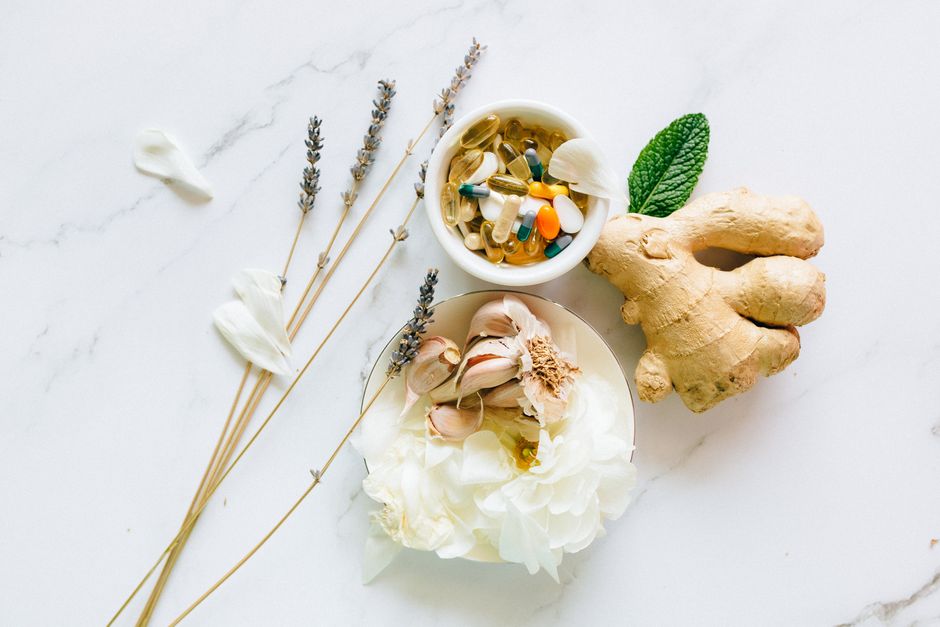
Healing your intestines is a real process, but it is not a quick fix. It involves eating foods that reduce inflammation, taking probiotics that support a balanced gut microbiome, and following a timeline that spans weeks to months. Most people notice early improvements in digestion within 2 to 4 weeks, but true intestinal healing and a stable gut lining can take 3 to 6 months or longer, depending on the underlying condition and how consistently you follow the plan.
What Does It Mean to Heal Your Intestines?
The term “healing your intestines” gets used loosely, but it usually refers to repairing the intestinal lining and restoring a healthy balance of gut bacteria. The intestinal lining is a single layer of cells that acts as a barrier. It controls what passes into your bloodstream and what stays out.
When that barrier is damaged, a condition often called increased intestinal permeability or “leaky gut,” larger particles can slip through. This triggers immune responses and inflammation. The scientific community agrees that increased permeability happens in conditions like celiac disease, inflammatory bowel disease (IBD), and during infections. Whether it is the root cause of other health problems is still debated.
Healing, therefore, means two things. First, reducing the inflammation that damages the lining. Second, giving the cells the nutrients they need to rebuild and the right bacteria to support the process.
What Foods Help Repair the Gut Lining?
Food is the raw material your body uses to rebuild tissue. For the intestines, certain nutrients are essential for cell turnover and repair.
- Collagen and bone broth: Collagen provides glycine and proline, amino acids that are building blocks for connective tissue. Some research suggests these support the gut lining, though human trials are limited.
- Gelatin: Similar to collagen, gelatin is cooked collagen. It is easily digestible and may help soothe the mucosal lining.
- Glutamine-rich foods: Glutamine is the primary fuel for intestinal cells. It is found in chicken, fish, cabbage, and spinach. Some studies show glutamine supplementation can help repair gut lining in specific conditions like chemotherapy-induced mucositis.
- Zinc-rich foods: Zinc is critical for cell division and tissue repair. Oysters, beef, pumpkin seeds, and lentils are good sources. Zinc deficiency is linked to intestinal damage.
- Omega-3 fatty acids: Found in fatty fish like salmon, sardines, and mackerel, omega-3s reduce inflammation. Lower inflammation means less damage to the intestinal wall.
- Fermented foods: Sauerkraut, kimchi, kefir, and yogurt introduce beneficial bacteria directly to your gut. These foods support microbiome diversity, which is a marker of gut health.
- Prebiotic fibers: Garlic, onions, bananas, oats, and apples feed the good bacteria already in your gut. A healthy microbiome produces short-chain fatty acids like butyrate, which is the main energy source for colon cells.
Foods to avoid during the healing phase are equally important. Highly processed foods, excessive alcohol, artificial sweeteners, and foods you are personally sensitive to can prolong inflammation. For people with diagnosed conditions like celiac disease, strict avoidance of gluten is not optional — it is the only proven treatment.
How Do Probiotics Support Intestinal Healing?
Probiotics are live microorganisms that, when consumed in adequate amounts, can benefit health. They do not colonize your gut permanently, but they do influence the environment while they pass through.
Probiotics work in several ways. They compete with harmful bacteria for space and nutrients. They produce antimicrobial substances. They also interact with immune cells in the gut lining, helping to regulate inflammation.
Different strains do different things. Lactobacillus rhamnosus GG and Saccharomyces boulardii have the strongest evidence for preventing antibiotic-associated diarrhea. Bifidobacterium strains are linked to improved symptoms in irritable bowel syndrome (IBS). For ulcerative colitis, a specific probiotic called VSL#3 (now Visbiome) has shown benefit in clinical trials.
The strain matters more than the brand. Look for products that list the specific strain, such as Lactobacillus rhamnosus GG, and a colony-forming unit (CFU) count. A typical effective dose ranges from 1 billion to 10 billion CFUs per day, though some conditions require higher doses under medical supervision.
Probiotics are not a replacement for diet. They work best when combined with prebiotic fibers and an anti-inflammatory diet. Taking a probiotic while continuing to eat highly processed foods is unlikely to produce meaningful healing.


What Is the Realistic Timeline for Gut Healing?
Timelines depend heavily on the cause of your intestinal issues. There is no universal schedule. However, a general pattern emerges from clinical experience and research.
Weeks 1 to 2: Expect digestive symptoms like bloating, gas, and irregular bowel movements to start improving. This is when dietary changes begin reducing the inflammatory load. Probiotics are starting to influence the microbiome, but they have not yet changed the overall bacterial balance.
Weeks 3 to 6: More noticeable changes occur. Energy levels often improve. Skin conditions linked to inflammation, such as acne or eczema, may begin to clear. Bowel regularity often normalizes. The intestinal lining is actively repairing, but it is not fully healed.
Months 2 to 3: The gut lining has had time to rebuild. For mild cases of increased permeability, this is often when true structural healing is achieved. Many people can reintroduce some previously problematic foods without symptoms returning.
Months 4 to 6: For chronic conditions like IBS or IBD, this is the stabilization phase. The microbiome has shifted to a healthier balance. Inflammation markers in blood or stool, if elevated, often return to normal ranges.
Some conditions take longer. Celiac disease, for example, can take up to 2 years for complete intestinal recovery in adults, even with strict gluten avoidance. The timeline is not linear. Setbacks happen. A stressful event, a course of antibiotics, or a dietary slip can temporarily reverse progress.
How To Heal Your Intestines Foods Probiotics Timelines: A Practical Plan
Here is a straightforward approach that combines the evidence on foods, probiotics, and realistic timelines.
Start with an elimination approach. Remove the most common triggers for 3 to 4 weeks. These include gluten, dairy, alcohol, and highly processed foods. This is not a permanent diet — it is a diagnostic tool to identify what your gut reacts to.
Add healing foods daily. Include a source of glutamine, zinc, and omega-3s in your meals. Drink bone broth if you tolerate it. Eat fermented foods like kefir or sauerkraut with at least one meal per day.
Choose a targeted probiotic. Select a product with a specific strain that matches your symptoms. If you have IBS, look for Bifidobacterium infantis. If you are recovering from antibiotics, Lactobacillus rhamnosus GG has the strongest evidence. Take it consistently at the same time each day.
Reintroduce foods one at a time. After 3 to 4 weeks, add one eliminated food back for 3 days. Track your symptoms. If bloating, pain, or fatigue returns, that food is likely a trigger for you. If not, keep it in your diet.
Expect a 3-month minimum. Give the plan at least 90 days before judging whether it works. Quick fixes do not repair tissue. If you see no improvement after 3 months, consult a gastroenterologist for further evaluation.
What Does the Evidence Actually Say About Leaky Gut?
“Leaky gut” is a real phenomenon, but it is often misunderstood. Increased intestinal permeability is documented in medical research. It occurs in celiac disease, Crohn’s disease, and type 1 diabetes. It also happens temporarily during intense exercise or after taking nonsteroidal anti-inflammatory drugs (NSAIDs) like ibuprofen.
What the evidence does not support is the claim that leaky gut causes every chronic condition. No large human trials have confirmed that repairing the gut lining cures autoimmune diseases, mental health disorders, or chronic fatigue. Some studies suggest associations, but association is not causation.
This matters because it affects how you approach healing. If you have a diagnosed condition, gut repair is a supportive strategy, not a replacement for medical treatment. If you have vague digestive symptoms, improving your diet and microbiome is reasonable. Expecting it to cure unrelated conditions sets you up for disappointment.
When Should You See a Doctor?
Digestive issues are common, but some symptoms require medical evaluation. Persistent blood in stool, unexplained weight loss, severe abdominal pain, or anemia are red flags. These warrant prompt medical attention, not dietary experimentation.
If you have a family history of colon cancer, IBD, or celiac disease, discuss your symptoms with a doctor before starting any self-treatment. Testing for celiac disease requires you to be eating gluten, so do not eliminate it before testing.
Probiotics are generally safe for healthy people. However, people with compromised immune systems, those with central lines, or individuals with severe pancreatitis should avoid probiotics unless a doctor recommends them. There are rare but documented cases of probiotic-related infections in these populations.
Frequently Asked Questions
How long does it take for probiotics to heal your gut?
Probiotics begin influencing digestion within 1 to 2 weeks, but meaningful changes to the gut microbiome take 4 to 12 weeks of consistent use. The intestinal lining itself needs at least 2 to 3 months to repair fully.
What is the fastest way to heal your intestines?
The fastest evidence-based approach is removing trigger foods, eating anti-inflammatory whole foods, and taking a targeted probiotic consistently for at least 3 months. There is no clinical evidence that any single supplement or diet heals the gut faster than this combined approach.
Can you heal your gut in 30 days?
Symptom improvement is possible within 30 days, but complete intestinal healing is not. The gut lining takes 3 to 6 months to rebuild structurally, and longer for chronic conditions like celiac disease.
What foods are best for repairing the gut lining?
Foods rich in glutamine, zinc, and omega-3 fatty acids support repair, including chicken, fish, cabbage, pumpkin seeds, and salmon. Fermented foods and prebiotic fibers like garlic, onions, and oats support a healthy microbiome.
