

You cannot truly “heal” the lower esophageal sphincter (LES) in the sense of regrowing a damaged muscle, but you can improve how well it works. The LES is a ring of muscle at the bottom of your esophagus that opens to let food into your stomach and closes to keep acid out. When it weakens or relaxes at the wrong time, stomach contents flow backward — a process called gastroesophageal reflux. Natural approaches focus on reducing the pressure against that valve, avoiding things that relax it, and supporting the tissue so it can do its job.
What Is the Esophageal Sphincter and Why Does It Fail?
The lower esophageal sphincter is a bundle of smooth muscle about 3 to 4 centimeters long. It sits at the junction where the esophagus meets the stomach. Between swallows, it stays closed, maintaining a pressure barrier that keeps stomach acid, bile, and food where they belong.
When you swallow, a wave of muscle contractions pushes food down the esophagus. The sphincter receives a signal to relax briefly, food passes through, and it closes again. This is normal and happens dozens of times a day without you noticing.
Problems arise in a few ways. The sphincter may have a lower resting pressure than normal. It may relax too often, including when you are not swallowing. Or the anatomy around it may change — most commonly a hiatal hernia, where part of the stomach pushes up through the diaphragm into the chest. Any of these can allow reflux.
It helps to understand that the LES is not a simple flap. It is a pressure zone supported by the diaphragm muscle that wraps around it. When both work together, reflux stays rare. When either weakens, symptoms appear.
Can the Esophageal Sphincter Actually Heal?
Muscle tissue that has lost tone does not typically regenerate on its own. The LES is not like skin that can knit back together after a cut. Once the muscle or its nerve supply is damaged, that damage is usually permanent.
What can change is function. The sphincter can work better when you remove the factors that are weakening it. Think of it less like healing a wound and more like removing a constant strain so the muscle can do its job. Many people reduce reflux symptoms significantly through lifestyle changes alone, even though the underlying sphincter has not physically regrown.
Some research suggests that chronic inflammation from repeated acid exposure can further weaken the sphincter over time. Breaking that cycle matters. This is why reducing reflux episodes is not just about comfort — it may also protect the tissue from ongoing damage.
How To Heal Your Esophageal Sphincter Naturally: What Actually Helps
No single remedy repairs the sphincter. The approaches below work by reducing pressure on it, limiting triggers that relax it, and giving the tissue the best chance to function.
Weight loss. Excess weight around the abdomen increases pressure on the stomach, which pushes contents upward against the sphincter. This is one of the most consistent findings in reflux research. Even modest weight loss can reduce symptoms for people who carry extra weight around the middle.
Elevating the head of the bed. Gravity helps keep stomach contents down. Raising the head of the bed by 6 to 8 inches — using blocks under the bedposts or a wedge pillow, not just extra pillows — reduces nighttime reflux. Extra pillows alone do not work because they bend you at the waist and can increase pressure.
Avoiding late meals. Lying down within two to three hours of eating gives stomach contents an easier path back up. Eating earlier in the evening and staying upright afterward is a simple change with real benefit.
Smaller meals. A large meal distends the stomach and increases pressure on the sphincter. Eating smaller portions more often reduces that pressure.
Identifying trigger foods. Certain foods relax the LES or irritate the esophagus. Common ones include chocolate, peppermint, high-fat meals, citrus, tomato, coffee, and alcohol. Not everyone reacts to all of these. Keeping a simple food and symptom log for a couple of weeks can show you your own pattern better than any general list.
Quitting smoking. Smoking relaxes the sphincter and reduces saliva production, which normally helps clear acid from the esophagus. The evidence here is strong.
Chewing thoroughly. More chewing means more saliva, and saliva helps neutralize acid. It also means food reaches the stomach in smaller pieces, which may reduce distension.
These steps are not a cure. They are the foundation. For many people, they reduce symptoms enough to matter. For others, they help but do not fully control reflux.




Which Foods and Habits Weaken the Sphincter?
Several substances have been shown to lower LES pressure or cause it to relax at the wrong time. The effect varies from person to person, but the list is fairly consistent.
- Chocolate — contains methylxanthines that relax smooth muscle
- Peppermint and spearmint — also relax smooth muscle, including the LES
- High-fat meals — slow stomach emptying and reduce sphincter pressure
- Alcohol — relaxes the sphincter and can irritate the esophagus directly
- Coffee — may relax the sphincter, though the evidence is mixed
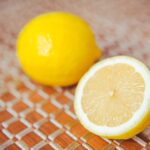
- Citrus and tomato — more likely to irritate an already inflamed esophagus than to weaken the sphincter itself
- Large meals — increase stomach pressure regardless of what you eat
One clarification worth making: citrus and tomato are often blamed for “weakening” the sphincter, but their main effect is irritation of the esophageal lining. That is a different mechanism. It still matters, but it is not the same as relaxing the valve.
Does Hiatal Hernia Affect the Sphincter?
A hiatal hernia is when part of the stomach slides up through the diaphragm into the chest. This changes the anatomy around the LES and often disrupts the pressure barrier.
Many people with a hiatal hernia have no symptoms. Others have significant reflux. The size and type of hernia matter. A small sliding hernia may cause few problems. A larger one can displace the sphincter so it no longer sits where the diaphragm can support it.
Lifestyle measures still help with a hiatal hernia, but they may be less effective than for reflux without one. If symptoms persist despite changes, that is a reason to talk with a doctor about further evaluation.
When Natural Approaches Are Not Enough
Lifestyle changes do not work for everyone. Some people have a sphincter that is structurally weak, a large hiatal hernia, or reflux that persists despite every reasonable change.
In those cases, medical treatment may be needed. Proton pump inhibitors and H2 blockers reduce acid production. They do not strengthen the sphincter, but they reduce the damage acid can do. Some clinicians recommend them for people with frequent or severe reflux, especially if there are signs of esophageal inflammation.
Surgery is an option for some people. Procedures like fundoplication wrap part of the stomach around the LES to reinforce it. This is not a first-line treatment and carries risks. It is generally considered when medications and lifestyle changes fail to control symptoms or when there are complications.
If you have difficulty swallowing, unintentional weight loss, vomiting, or chest pain that feels like pressure, see a doctor promptly. Those symptoms need evaluation and are not something to manage with diet alone.
What About Supplements and Natural Remedies?
Many products claim to “heal” or “repair” the sphincter. The evidence for most of them is thin or absent.
DGL (deglycyrrhizinated licorice) is sometimes used for reflux symptoms. Some small studies suggest it may help with symptoms, but the evidence is not strong enough to call it proven. It does not appear to strengthen the sphincter.
Alginate products, often sold as reflux remedies, form a foam barrier on top of stomach contents. Some evidence indicates they can reduce reflux episodes. They do not repair the sphincter, but they may reduce symptoms.
Probiotics are often marketed for digestive health. There is no consistent evidence that they improve LES function or heal the sphincter.
Be cautious with any product that claims to “cure” reflux or “repair” the sphincter. No supplement has been shown to regrow or restore sphincter muscle. If a claim sounds too strong, it probably is.
How Long Does It Take To See Improvement?
Some changes work quickly. Elevating the head of the bed and avoiding late meals can reduce nighttime symptoms within days. Weight loss takes longer — weeks to months — but the effect on reflux tends to grow as the weight comes off.
Trigger food elimination may show results within a week or two if a specific food is a major factor for you. For others, no single food is the main problem, and the benefit is smaller.
If you have made consistent changes for several weeks and symptoms are not improving, that is useful information. It suggests the sphincter problem may be significant enough to need medical evaluation.
Frequently Asked Questions
Can the esophageal sphincter heal itself?
The sphincter muscle does not typically regenerate once damaged, so true healing is limited. Function can improve when you reduce the factors that weaken it, but the muscle itself usually does not regrow.
What is the fastest natural way to strengthen the esophageal sphincter?
There is no fast way to strengthen the sphincter itself. The quickest benefits usually come from elevating the head of the bed and avoiding meals within two to three hours of lying down.
Do probiotics help heal the esophageal sphincter?
No consistent evidence shows that probiotics improve sphincter function or repair the muscle. They may support general digestive health, but they are not a treatment for a weak sphincter.
Can a hiatal hernia be healed naturally?
A hiatal hernia does not heal on its own, and no natural remedy has been shown to reverse it. Lifestyle changes can reduce symptoms, but the anatomical change remains.
