
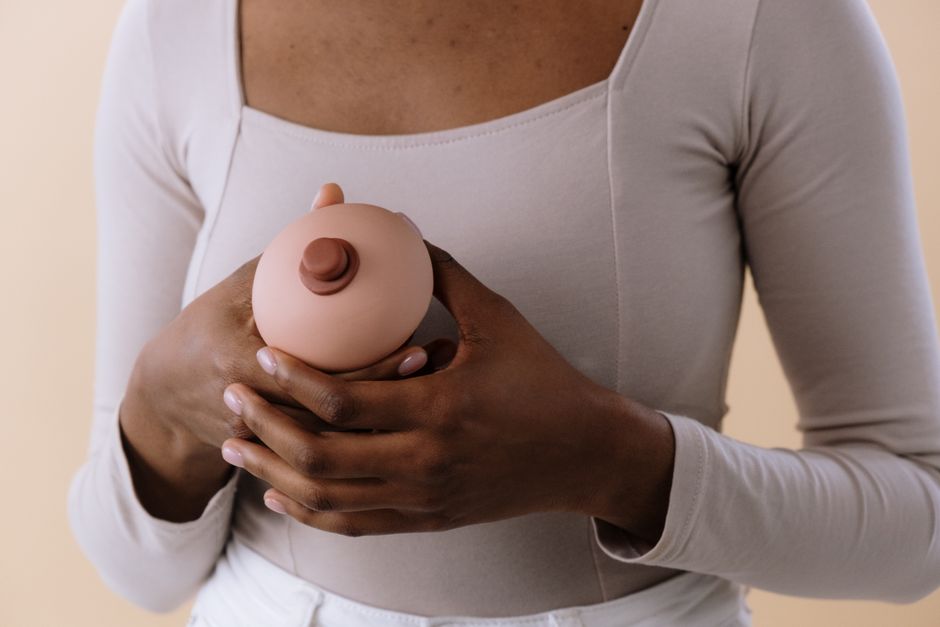
An under-boob rash is usually a mix of trapped moisture, friction, and heat — and sometimes a skin infection on top of that. The fastest way to heal it is to keep the area clean and completely dry, reduce skin-on-skin contact, and use the right treatment for what is actually causing it. To stop it coming back, you have to change the conditions that let it start, not just treat the rash you can see.
Why Does Under Boob Rash Happen So Easily?
The skin under the breasts sits in a warm, damp, low-airflow crease. That combination creates a near-perfect environment for irritation and for organisms that like moist skin.
Doctors call this kind of rash in a skin fold intertrigo. It happens where two skin surfaces rub together and trap moisture. The friction alone damages the outer layer of skin. Once that barrier is broken, sweat, bacteria, and yeast get a foothold.
A few things make it more likely:
- Large or heavy breasts, which increase skin-on-skin contact
- Heat and humidity, or sweating from exercise
- Tight bras or clothing that does not breathe
- Diabetes, which raises the risk of skin infections
- A weakened immune system
- Incontinence or limited mobility, which can keep moisture against the skin
Weight is often mentioned, but the mechanism is simpler than that. Anything that increases friction, moisture, or body heat in the fold raises the risk. A person of any size can get intertrigo.
Is It Just Irritation, Or Is It an Infection?
This is the question that decides whether your treatment works. Irritation and infection can look similar at the start, but they behave differently.
Plain intertrigo from friction and moisture usually looks red, raw, and uncomfortable. It may sting or itch. It tends to improve when the area stays clean and dry.
When an infection sets in, the signs shift. A few patterns are well recognized:
- Yeast (Candida): a bright red rash with a defined edge, often with smaller red spots just beyond the main area. Itchy and sometimes burning.
- Bacterial: may be more inflamed, weepy, or have a foul odor.
- Fungal (ringworm-type): a raised, scaly border with clearer skin in the center.
These patterns overlap, and it is genuinely hard to tell them apart without a clinician looking at the skin. If a rash is not improving after a week or two of good hygiene, or if it is spreading, getting worse, or oozing, that is a sign to get it checked. A doctor can often identify the cause by looking, and sometimes takes a swab.
One clarification worth making: not every red rash under the breast is a yeast infection. Treating friction irritation with an antifungal, or treating a yeast infection with a barrier cream alone, is a common reason rashes drag on.
How To Heal Under Boob Rash And Stop It Coming Back
Healing has two parts. First, calm the skin that is already irritated. Second, remove the moisture and friction that caused it. Skip the second part and the rash returns.
Keep the area clean and dry
Wash gently with lukewarm water and a mild, fragrance-free cleanser. Rinse well and pat dry — do not rub. Then let the skin air-dry fully before you get dressed. A soft cloth or a hair dryer on the cool setting can help, held well away from the skin.
Separate the skin
Reducing skin-on-skin contact is the single most useful step. A soft cotton cloth or a bra liner placed in the fold can absorb moisture and reduce rubbing. Change it as soon as it feels damp.
Choose the right product for the cause
This is where matching treatment to cause matters.
- For friction irritation, a fragrance-free barrier cream or ointment such as petrolatum or zinc oxide protects the skin while it heals.
- For a yeast rash, an over-the-counter antifungal made for skin, such as clotrimazole or miconazole, is commonly used. Follow the package directions.
- For a bacterial infection, antibiotics may be needed. These require a prescription, so see a clinician.
Do not layer multiple products at once. If you are unsure what you are treating, get a diagnosis first. Using the wrong product can make things worse or simply waste time.
Avoid what makes it worse
Skip heavily scented lotions, powders that clump when damp, and tight synthetic fabrics. These trap moisture or irritate broken skin. If a product stings, stop using it.





What Bras and Clothing Actually Help?
The right bra reduces friction and lets air reach the skin. The wrong one does the opposite.
Look for a bra that fits well, with a band that sits flat and does not dig in. Moisture-wicking or breathable fabrics help more than cotton alone in humid conditions, because they move sweat away from the skin. A bra that is too tight creates pressure and traps heat. One that is too loose lets skin rub.
If you sweat heavily, change out of a damp bra as soon as you can. For exercise, a supportive sports bra in a breathable fabric, removed and rinsed soon after, makes a real difference.
When Should You See a Doctor?
Most mild under-boob rashes improve with good hygiene and the right product within a week or two. Some situations need a clinician.
- The rash is spreading, getting worse, or not improving after about a week of consistent care
- There is pus, a foul odor, or open, weeping sores
- You have severe pain, swelling, or a fever
- You have diabetes or a weakened immune system
- The rash keeps coming back despite good care
A recurring rash can be a sign of an underlying condition, including diabetes. If yours returns often, it is reasonable to ask a doctor whether blood sugar testing is warranted. That is a conversation, not a self-diagnosis.
Do not use strong steroid creams on your own for a rash in a skin fold. Steroids can thin the skin and, if a fungus is present, may make it worse.
How Do You Keep It From Coming Back?
Prevention is where this problem is actually solved. The goal is to keep the fold dry and reduce friction every day, not just when a rash appears.
- Dry the area fully after every shower and after sweating
- Wear a well-fitting, breathable bra and change it if it gets damp
- Use a barrier ointment in the fold if you are prone to rashes
- Manage heat and sweat where you can
- Keep blood sugar in a healthy range if you have diabetes
Consistency matters more than any single product. A rash that keeps returning usually means the moisture and friction are still there.
What About Home Remedies and Powders?
Some home approaches are reasonable and some are not.
Keeping the area dry, using a plain barrier ointment, and wearing breathable fabric are low-risk and supported by how the skin works. Cornstarch powder is popular, but it can clump when wet and, in some cases, feed yeast. That is a reason to be cautious with it in a fold.
There is no strong evidence that essential oils, apple cider vinegar, or yogurt applied to the skin treat this rash. Some can irritate broken skin. If you want to try something beyond basic care, it is worth asking a pharmacist or doctor first.
Frequently Asked Questions
How long does an under boob rash take to heal?
With good hygiene and the right treatment, a mild rash often improves within a week or two. If it is not better after about a week of consistent care, or it is getting worse, see a doctor.
Is under boob rash a yeast infection?
Sometimes. Friction and moisture cause many cases, but a yeast infection is common in skin folds and can look similar. A clinician can usually tell the difference by examining the skin.
Can I use diaper rash cream under my breasts?
Yes, a fragrance-free barrier cream such as zinc oxide or petrolatum is often used for friction irritation in skin folds. It protects the skin but does not treat a yeast or bacterial infection.
When should I worry about a rash under my breast?
See a doctor if there is pus, a foul odor, open sores, severe pain, swelling, or fever, or if the rash keeps returning. A recurring rash can sometimes point to an underlying condition such as diabetes.
