
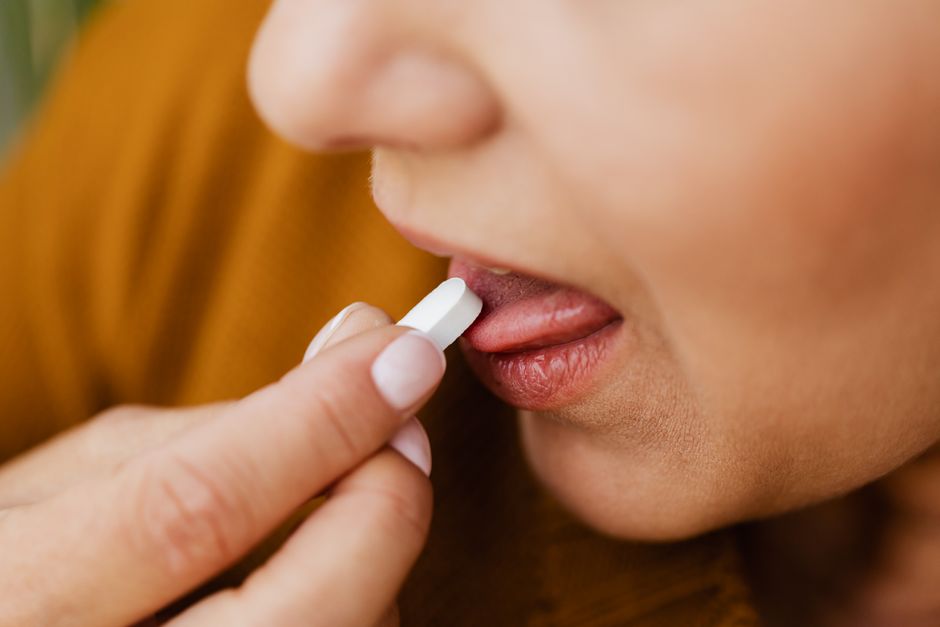
A sore roof of your mouth usually heals on its own within one to two weeks. Most cases are minor burns, scrapes, or canker sores that repair themselves without treatment. The steps that actually help are simple: remove the cause, keep the area clean, avoid anything that irritates it, and manage pain while the tissue rebuilds. If the sore lasts longer than two weeks or keeps coming back, that is when a dentist or doctor needs to look at it.
What Causes a Sore Roof of Your Mouth?
The roof of your mouth is covered by a thin layer of tissue called the oral mucosa. It sits directly over the hard palate bone at the front and the softer palate toward the back. That tissue is tough, but it is not indestructible. When something damages it, you feel it right away because the area is constantly in contact with your tongue and everything you eat or drink.
Common causes include:
- Burns from hot pizza, coffee, soup, or microwaved food. This is one of the most frequent reasons people search for this problem.
- Canker sores (aphthous ulcers), which can appear anywhere in the mouth, including the palate.
- Physical injury from sharp chips, crusty bread, hard candy, or a dental tool.
- Ill-fitting dentures or orthodontic appliances that rub against the palate.
- Allergic reactions to certain foods, toothpaste ingredients, or mouthwash.
- Infections, including viral and fungal types.
- Nutritional deficiencies in vitamin B12, iron, or folate, which are linked to recurrent mouth sores.
- Acidic or salty foods that irritate already damaged tissue.
Less often, a sore on the roof of the mouth can be a sign of something that needs medical attention. Persistent white patches, red patches, or a sore that does not heal should be evaluated. Oral cancer can appear on the palate, though it is far less common than the everyday causes listed above.
How Long Does It Take for a Burned Roof of Your Mouth To Heal?
A minor burn on the roof of your mouth typically heals in three to seven days. Larger or deeper burns can take up to two weeks. The mouth heals faster than skin on the outside of the body because the tissue turns over quickly and is constantly bathed in saliva, which contains healing proteins and helps wash away debris.
The first 24 to 48 hours are usually the most uncomfortable. Swelling and sensitivity peak, then gradually ease. By day three or four, most people notice the pain is fading. If a burn is still painful after two weeks, it is not healing normally and should be checked.
Some research suggests that honey has antimicrobial properties that may support wound healing, but the evidence for using it specifically on oral burns is limited. Do not apply honey to a mouth burn without asking a doctor first, especially for infants, who should never be given honey due to the risk of infant botulism.
How To Heal the Roof of Your Mouth Faster
There is no method that makes tissue grow faster. What you can do is stop re-injuring the area and reduce the things that slow healing. That is what actually shortens the timeline.
Remove the source. If a denture or retainer is rubbing, stop wearing it until the sore heals and have it adjusted. If a specific food caused the burn, avoid hot and crunchy foods for several days.
Keep the area clean. Rinse gently with warm salt water. A common mix is half a teaspoon of salt in a glass of warm water. Swish, do not scrub. This helps keep the area free of food particles and may reduce irritation. Do not swallow the rinse.
Avoid irritants. Skip acidic foods like citrus, tomatoes, and vinegar. Skip salty snacks, spicy food, alcohol, and tobacco. These do not cause the sore, but they keep it inflamed and painful.
Manage pain. Over-the-counter pain relievers such as acetaminophen or ibuprofen can help. Follow the label directions. Some over-the-counter oral gels numb the area temporarily. They do not speed healing, but they can make eating less painful. Do not use numbing gels on infants or young children without medical guidance.
Stay hydrated. Drink cool water throughout the day. Dehydration slows healing and makes the mouth drier, which increases discomfort.
Protect the area while eating. Eat soft, cool foods. Yogurt, applesauce, mashed potatoes, and smoothies are easier on a raw palate than chips or toast.




What Should You Not Put on a Sore Roof of Your Mouth?
Some home remedies do more harm than good. Avoid these:
- Undiluted hydrogen peroxide. It can damage healthy tissue and delay healing.
- Rubbing alcohol. It irritates the mucosa and should never go in your mouth.
- Very hot or very cold liquids. Extreme temperatures increase pain and can worsen tissue damage.
- Baking soda paste. Some people use it, but there is no strong evidence it helps, and it can be abrasive.
- Salt directly on the sore. A saltwater rinse is fine. Packing salt onto the wound is painful and not helpful.
There is also no clinical evidence that vitamin supplements speed healing unless you actually have a deficiency. If you eat a balanced diet, adding vitamins is unlikely to make a difference. If you get mouth sores often, a doctor can test for deficiencies.
When Should You See a Doctor or Dentist?
Most mouth sores are not serious. But some signs mean you should get checked.
See a dentist or doctor if:
- The sore lasts longer than two weeks.
- It gets worse instead of better after a few days.
- You have white, red, or dark patches that do not go away.
- You have trouble swallowing, speaking, or opening your mouth.
- You have a fever along with the sore.
- You get mouth sores frequently, which may point to a nutritional deficiency, an autoimmune condition, or another underlying issue.
- You notice a lump, thickening, or raised border around the sore.
These signs do not automatically mean something serious. But a sore that will not heal is the body telling you it needs a closer look. Dentists are trained to spot oral problems early, and a quick exam can rule out anything concerning.
How To Prevent a Sore Roof of Your Mouth
Prevention comes down to avoiding the things that damage the tissue in the first place.
Let hot food and drinks cool before you eat or drink them. Be careful with pizza, especially the cheese, which holds heat and can burn the palate badly. Chew slowly and avoid biting into very hard or sharp foods. If you wear dentures or a retainer, make sure it fits well and see your dentist if it starts to rub.
If you get canker sores often, keep track of what you eat and when they appear. Some people find that certain foods trigger them, though the evidence for specific triggers varies from person to person. Managing stress and getting enough sleep may also help, since stress is commonly linked to canker sore outbreaks, though the exact relationship is not fully understood.
Quitting smoking and limiting alcohol reduces the risk of several oral conditions, including some that can cause persistent sores.
Frequently Asked Questions
How long does a burned roof of the mouth take to heal?
A minor burn usually heals in three to seven days, and larger burns can take up to two weeks. If it is still painful after two weeks, see a dentist or doctor.
Does salt water help heal a sore roof of the mouth?
Warm salt water rinses can help keep the area clean and may reduce irritation. They do not speed tissue growth, but they support basic oral hygiene while the sore heals.
Can a sore roof of the mouth be a sign of something serious?
Most sores are minor and heal on their own. A sore that lasts longer than two weeks, has white or red patches, or comes with trouble swallowing should be evaluated by a dentist or doctor.
What should I avoid eating with a sore roof of the mouth?
Avoid hot, spicy, salty, and acidic foods, along with anything sharp or crunchy. Cool, soft foods are easier on the area while it heals.
