
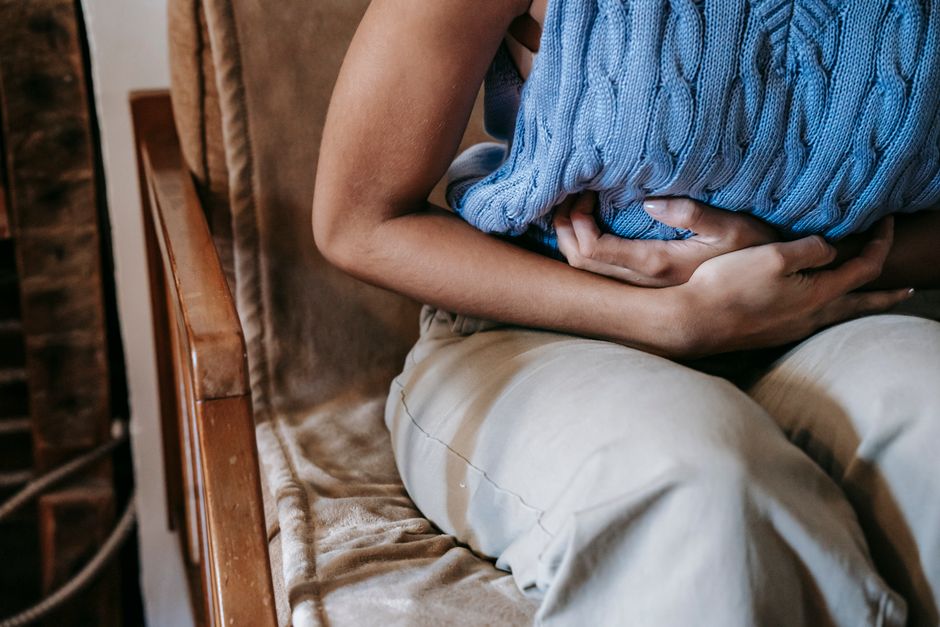
A stomach bug hits fast and leaves you wondering what to do. The short answer is rest, fluids, and time. Most stomach bugs clear up on their own within a few days without any medical treatment. Your job is to support your body while it fights the infection and prevent dehydration.
What Actually Causes a Stomach Bug?
Stomach bugs usually come from viruses. Norovirus is the most common cause in adults. Rotavirus is more common in children. Bacteria like salmonella or E. coli can cause similar symptoms but are less frequent in typical stomach bug cases.
These viruses inflame your stomach and intestines. That is why you get nausea, vomiting, diarrhea, and stomach cramps. The virus enters your body through contaminated food, water, or surfaces. It spreads quickly in close quarters like schools, cruise ships, and nursing homes.
The CDC reports that norovirus causes about 19 to 21 million cases of vomiting and diarrhea in the United States each year. Most people recover without seeing a doctor.
Understanding what causes it matters because it tells you what treatments will help. Antibiotics do nothing against viruses. Antiviral drugs do not exist for norovirus. Your body clears the infection on its own. Your only real job is to manage symptoms and stay hydrated.
How To Heal Stomach Bug With Fluids and Electrolytes
Dehydration is the main danger with stomach bugs. You lose water and electrolytes through vomiting and diarrhea. Replacing them is the single most important thing you can do.
Water alone is not enough. You also need sodium, potassium, and glucose. These electrolytes help your body absorb fluids. Without them water passes through your system without helping.
Oral rehydration solutions are the gold standard. Products like Pedialyte or store brands contain the right balance. You can make your own by mixing six teaspoons of sugar and half a teaspoon of salt into one liter of clean water. The World Health Organization has recommended this formula for decades.
Sports drinks are not ideal. They contain too much sugar and not enough electrolytes. Clear broths and coconut water are reasonable alternatives if you cannot get an oral rehydration solution.
Sip small amounts frequently. Taking big gulps can trigger more vomiting. Start with one tablespoon every five to ten minutes. If you keep that down, gradually increase the amount. This slow approach works better than trying to drink a full glass at once.
What Foods Help and What Foods Hurt
Let your stomach settle before eating. Most people do not feel hungry during the first six to twelve hours anyway. That is normal. Do not force food.
When you feel ready to eat, start bland. The BRAT diet has been recommended for decades. Bananas, rice, applesauce, and toast. These foods are gentle on your stomach and provide some energy without irritating your digestive system.
Other bland options include plain crackers, boiled potatoes, plain pasta, and clear soups. Avoid dairy, fatty foods, spicy foods, and anything high in fiber until your symptoms are completely gone. These can make diarrhea worse.
Some studies suggest probiotics may help shorten the duration of diarrhea by about one day. Strains like Lactobacillus rhamnosus GG and Saccharomyces boulardii have the most evidence. Yogurt with live cultures counts if you tolerate dairy. But skip it if dairy bothers you during the illness.
Research published in the Cochrane Database of Systematic Reviews found that probiotics likely make little to no difference in preventing stomach bugs. The evidence for treating active infections is modest at best. They might help a little but are not a cure.



Medications That Work and Ones To Skip
Most stomach bugs do not need medication. Your body clears the virus on its own. But some medicines can help with symptoms if used carefully.
Acetaminophen (Tylenol) is safe for fever and body aches. Ibuprofen (Advil, Motrin) can irritate the stomach and should be avoided if you have nausea or vomiting. Stick with acetaminophen if you need pain relief.
Anti-diarrhea medications like loperamide (Imodium) are controversial. They stop diarrhea by slowing down your intestines. This can keep the virus in your body longer. The CDC advises against using them if you have a fever or bloody stool. Some doctors say avoid them entirely during stomach bugs. Let your body flush out the infection naturally.
Anti-nausea medications like ondansetron (Zofran) require a prescription. They can help if vomiting is severe enough to prevent fluid intake. Emergency rooms use them frequently. Ask your doctor if vomiting is keeping you from keeping any fluids down.
| Medication | Use | Safe for Stomach Bug? |
|---|---|---|
| Acetaminophen (Tylenol) | Fever, body aches | Yes, first choice |
| Ibuprofen (Advil, Motrin) | Fever, body aches | No, can irritate stomach |
| Loperamide (Imodium) | Diarrhea | Not recommended |
| Ondansetron (Zofran) | Nausea, vomiting | Yes, with prescription |
When To See a Doctor
Most stomach bugs resolve without medical care. But some situations need a doctor. Dehydration is the main reason people end up in the hospital.
Signs of severe dehydration include dry mouth, dark urine, dizziness when standing, and urinating less than every eight hours. For children, look for crying without tears, no wet diaper for six hours, and unusual drowsiness.
See a doctor if vomiting lasts more than two days in adults or more than 24 hours in children. Blood in vomit or stool is another red flag. A fever above 102°F that does not come down with acetaminophen also warrants a call.
Severe abdominal pain that does not come and go is not typical for a stomach bug. It could signal appendicitis or another problem. Trust your instincts. If something feels wrong, get checked.
Older adults, pregnant women, and people with weakened immune systems should be more cautious. They are at higher risk for complications. A phone call to your doctor is reasonable even for mild symptoms in these groups.
How To Avoid Spreading It to Others
Stomach bugs are highly contagious. You can spread the virus before symptoms start and for up to two weeks after you feel better. Norovirus particles can survive on surfaces for weeks.
Hand washing is your best defense. Soap and water work better than hand sanitizer against norovirus. Scrub for at least 20 seconds. Hand sanitizer is not effective enough against this virus.
Clean contaminated surfaces with bleach. A solution of five to 25 tablespoons of bleach per gallon of water kills norovirus. Standard household cleaners often do not. Wash laundry in hot water and dry on high heat if someone in your home is sick.
Stay home until you have had no vomiting or diarrhea for at least 48 hours. This is the CDC recommendation. Going back to work or school too early spreads the virus to others.
Do not prepare food for others for at least three days after symptoms stop. You can still shed the virus even after you feel fine.
Common Misconceptions About Stomach Bugs
Many people think the stomach flu is the same as influenza. It is not. Influenza is a respiratory illness that affects your lungs. Stomach bugs attack your digestive system. The flu shot does not prevent stomach bugs.
Some people believe that vomiting means you need to take something to stop it immediately. That is rarely true. Vomiting is your body’s way of clearing the virus. As long as you can keep small amounts of fluid down, let it run its course.
Another myth is that you can starve a stomach bug. Skipping food for a day or two is fine. But prolonged fasting does not help your immune system fight the virus. Eat bland foods when you feel ready.
There is no evidence that apple cider vinegar, ginger shots, or activated charcoal cure stomach bugs. Some people report feeling better after using them. That is not the same as clinical evidence. Stick with what research supports: fluids, rest, and time.
As of 2026, there is no clinical evidence that any supplement, tea, or home remedy kills stomach viruses inside your body. Your immune system does that work. Your job is to stay hydrated and comfortable while it happens.
Frequently Asked Questions
How long does a stomach bug usually last?
Most stomach bugs last one to three days. Some cases can stretch to five or six days depending on the virus and your immune system.
Can I drink milk during a stomach bug?
Dairy can make diarrhea worse for some people. It is best to avoid milk, cheese, and yogurt until your symptoms are completely gone.
Should I take probiotics during a stomach bug?
Some evidence suggests probiotics may shorten diarrhea by about one day. The effect is small and not guaranteed for everyone.
Is it safe to exercise with a stomach bug?
No. Exercise diverts blood flow away from your digestive system and can worsen dehydration. Rest until you are fully recovered.
