
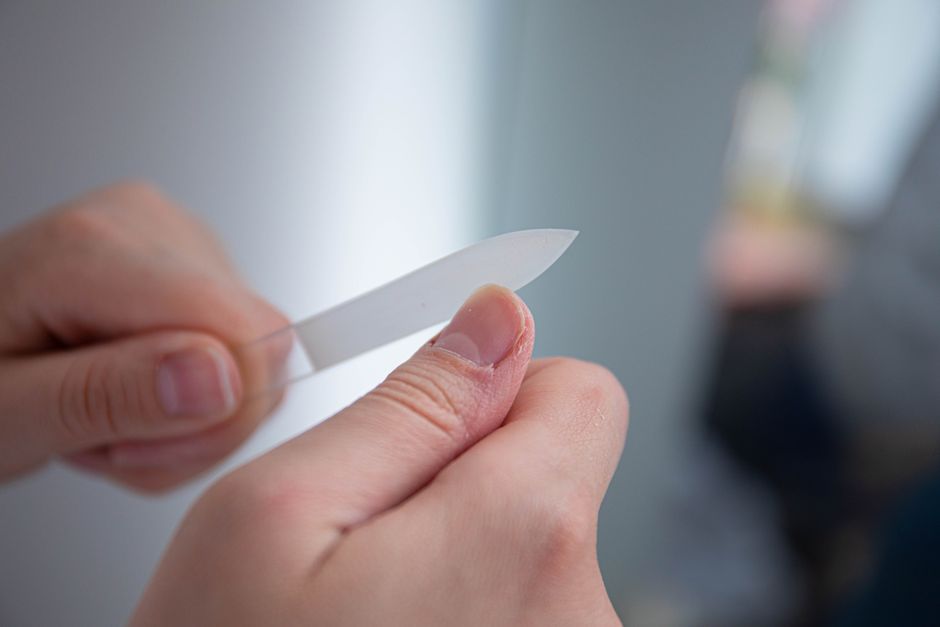
Sore cuticles heal fastest when you stop picking or pushing them back and keep the skin barrier intact. The most reliable home approach is simple: moisturize the cuticle and nail fold several times a day with a fragrance-free ointment or cream, protect hands from water and harsh soaps, and leave the cuticle skin alone. Small cuts and irritation usually settle within a few days to a week if you stop the things that caused them. Signs of infection need medical care, not home remedies.
What Are Cuticles and Why Do They Get Sore?
The cuticle is the thin strip of skin that seals the gap between your nail plate and the skin behind it. It is a barrier. Its job is to keep water, dirt, and microbes from getting under the nail, where the nail matrix sits.
That seal is fragile. When it dries, cracks, gets trimmed, or is pushed back hard, the barrier breaks. The skin around the nail is also thin and has few oil glands, so it loses moisture quickly. Add repeated handwashing, cold weather, or cleaning products and the skin splits.
Most sore cuticles come from one of a few causes: dryness, mechanical damage (picking, biting, aggressive manicures), irritation from soaps and chemicals, or a low-grade infection. Sorting out which one you have matters, because the fix is different for each.
A point worth clarifying: cuticles are not just cosmetic. The habit of cutting them off entirely, common in some nail salons, removes a working seal. That is a common reason cuticles stay sore and inflamed.
How To Heal Sore Cuticles Home Remedies That Work
The single most effective thing you can do is moisturize consistently and stop damaging the skin. Everything else is secondary.
Use an ointment or thick cream, not a watery lotion. Products with petrolatum or a similar occlusive ingredient hold water in the skin better than thin lotions. Apply after every handwash while hands are still slightly damp. Several times a day is reasonable.
Leave the cuticle skin alone. Do not cut, pick, or push it back. If a piece of skin is torn and catching, trim only that loose flap with clean clippers rather than pulling it.
Protect your hands from water and chemicals. Water, detergent, and cleaning products strip oils and worsen dryness. Wear gloves for dishwashing and cleaning. Keep nails short while they heal so they catch less.
Wash gently. Use lukewarm water and a mild, fragrance-free cleanser. Hot water and frequent harsh soaps make dry skin worse.
Try a short soak only if skin is crusted. A brief soak in lukewarm water can soften hard, dry skin, but long soaking pulls moisture out. Follow any soak with ointment right away.
These steps are not exotic. They work because they address the actual cause, which is a broken skin barrier that needs moisture and a chance to repair.
Which Home Remedies Actually Help and Which Are Overhyped?
Some popular remedies have a reasonable basis. Others are marketing noise. Here is an honest breakdown.
- Petrolatum or thick ointment: Well established for dry, cracked skin. It seals in moisture and is generally well tolerated.
- Fragrance-free moisturizer: Reliable. Fragrance and some preservatives can irritate already-broken skin.
- Oil-based cuticle products: Jojoba, mineral oil, and similar oils can soften skin and reduce moisture loss. They are helpful but not magic. Ointment generally holds moisture better.
- Aloe vera: Some studies suggest a soothing effect on minor skin irritation. The evidence for healing cuticles specifically is limited.
- Vitamin E oil: Popular, but evidence that it speeds healing is weak. It is not harmful for most people, but do not expect much.
- Olive oil or kitchen oils: Can soften skin. Not proven to heal faster than a plain moisturizer.
- Cuticle-cutting and hard pushing: Not a remedy. This causes the problem.
No study has confirmed that any single oil or botanical heals cuticles faster than consistent use of a plain moisturizer and stopping the damage. If a product promises rapid repair, treat that claim with skepticism.
When Is a Sore Cuticle a Sign of Infection?
A sore cuticle that becomes red, swollen, warm, and painful, especially with pus, is likely infected. This is called paronychia, and it is common. The skin around the nail can get infected after picking, biting, or a manicure that broke the seal.
There are two broad types. Acute paronychia usually comes on over hours to days, often bacterial, and often follows damage to the cuticle. Chronic paronychia develops more slowly, is often related to repeated exposure to water and irritants, and can involve yeast or bacteria. A clinician sorts out which is which.
Home care is not appropriate for a clearly infected cuticle. Do not squeeze pus or try to drain it yourself. Warm soaks are sometimes used for mild cases, but an infection that is spreading, worsening, or involves pus needs medical assessment. People with diabetes or a weakened immune system should seek care promptly for any hand infection.
Watch for red streaks spreading up the finger, fever, or increasing pain. These are reasons to get medical help quickly rather than wait.
What Habits Keep Cuticles From Getting Sore Again?
Prevention comes down to protecting the barrier you just healed. The habits that cause most sore cuticles are the same ones that keep them sore.
Stop picking and biting. This is the hardest habit to break and the most important. Keeping nails short and using a moisturizer when you feel the urge to pick can help.
Space out manicures and skip aggressive cuticle work. Ask for cuticle skin to be left intact. If a salon trims or pushes hard, that is a reason to change your approach.
Moisturize daily, not just when skin cracks. The best time is right after washing hands and before bed. A thicker ointment overnight helps dry skin recover.
Manage water and chemical exposure. Gloves for cleaning and dishes, mild soap, and lukewarm water all reduce the load on your skin. In cold, dry months, dryness worsens, so more frequent moisturizing is reasonable.
Keep an eye on underlying dryness. Some people have generally dry skin or a skin condition like eczema that affects the hands. If cuticles stay sore despite good care, that is worth discussing with a clinician rather than layering on more products.
What Should You Avoid When Cuticles Are Sore?
Some common habits make sore cuticles worse. Avoiding them is as important as adding good ones.
- Cutting or trimming the cuticle seal: Removes the barrier and invites infection.
- Picking and biting: Reopens the skin repeatedly.
- Squeezing or draining pus: Can spread infection.
- Harsh soaps, sanitizers, and acetone: Strip oils and irritate broken skin. Use gentler products while healing.
- Long soaking: Softens skin temporarily but dries it out over time.
- Fragranced products on broken skin: Can sting and irritate.
If a cuticle is not improving after a week or two of gentle care, or if it is getting worse, that is a reason to see a clinician. Persistent inflammation around the nail can have causes that home care will not fix.
Frequently Asked Questions
How long does it take for sore cuticles to heal?
Minor irritation and small cracks often improve within a few days to a week with consistent moisturizing and by stopping picking or trimming. If it is not improving after one to two weeks, or is getting worse, see a clinician.
Can I push my cuticles back when they are sore?
No. Pushing back hard or trimming the cuticle skin damages the seal that protects the nail and can cause infection. Leave the cuticle skin intact while it heals.
What is the best home remedy for sore cuticles?
A fragrance-free ointment or thick moisturizer applied several times a day, plus protecting hands from water and harsh soaps, is the most reliable approach. No single oil or botanical has been shown to heal cuticles faster than this.
When should I see a doctor for a sore cuticle?
See a clinician if the area is red, swollen, warm, or has pus, or if redness spreads up the finger or you develop a fever. People with diabetes or a weakened immune system should seek care promptly for any hand infection.
