
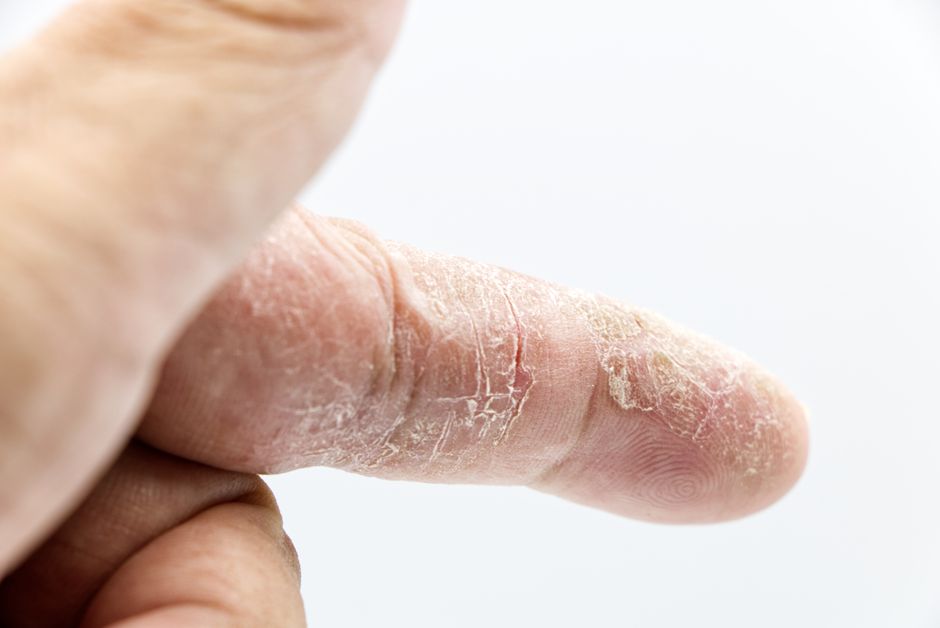
A scab is your body’s natural bandage. It forms when platelets and clotting proteins create a mesh over a wound, and it protects the healing tissue underneath. The fastest way to heal a scab is to leave it alone, keep it clean, and keep it slightly moist. Picking it off resets the clock and raises the risk of infection and scarring.
How To Heal Scabs Quickly
Speed comes from protecting the healing process, not from doing more to the wound. The skin beneath a scab is rebuilding itself in stages. First, new tissue fills the wound. Then new skin cells migrate across the surface. Finally, the tissue strengthens and the scab loosens and falls off on its own.
Anything that disrupts those stages adds days. That includes picking, scrubbing, and letting the wound dry out completely.
Here is what actually helps:
- Keep the area clean with mild soap and water once a day.
- Cover it with a bandage or dressing to prevent friction and contamination.
- Change the dressing when it gets wet or dirty.
- Do not pick, scratch, or peel the scab.
- Protect the area from sun exposure once the scab falls off.
Small scrapes and minor cuts typically heal within a week to ten days. Larger or deeper wounds take longer. That timeline is general. Individual healing varies with age, overall health, and where the wound is on the body.
Should You Let a Scab Dry Out or Keep It Moist?
Moist wound healing is faster than dry wound healing. This is one of the more settled findings in wound care research. A wound that stays in a moist environment re-epithelializes — meaning new skin cells cover the surface — more quickly than one left to dry and crack.
That does not mean soaking the wound. It means using a dressing that maintains a balanced moisture level. Standard adhesive bandages work for small wounds. For larger ones, a healthcare provider may recommend a specific type of dressing.
Dry scabs crack. Cracks let bacteria in and slow the process. A scab that stays flexible and intact is doing its job. If a scab is very dry and pulling at the edges, a thin layer of petroleum jelly over the scab — not under it — can help keep it from cracking. Some clinicians recommend this. The evidence for petroleum jelly specifically speeding scab healing is limited, but it is widely used in wound care and is generally considered safe for minor wounds.
What Slows Down Scab Healing?
Several things reliably delay healing. Knowing them helps you avoid them.
- Picking or scratching. This is the most common cause of slow healing. Every time you remove part of a scab, the wound has to start rebuilding.
- Infection. Bacteria in the wound cause inflammation, pus, and more tissue damage. An infected wound will not heal on schedule.
- Poor blood flow. Wounds need oxygen and nutrients delivered by blood. Conditions that reduce circulation — such as diabetes or peripheral artery disease — slow healing.
- Smoking. Nicotine narrows blood vessels and reduces oxygen delivery to tissue. Research consistently shows that smokers heal more slowly than non-smokers.
- Certain medications. Some drugs, including corticosteroids and certain immunosuppressants, interfere with tissue repair. If you take these, talk to your doctor about wound care.
- Nutritional deficiencies. Protein, vitamin C, and zinc all play roles in wound repair. A deficiency in any of these can slow the process.
- Repeated trauma. If a scab is on a spot that keeps getting bumped or stretched, it will take longer to heal.
Age matters too. Older skin repairs itself more slowly. That is a normal part of aging, not a sign that something is wrong.



When Should You See a Doctor About a Scab?
Most scabs heal without medical attention. Some signs mean you should get the wound checked.
- Increasing redness, warmth, or swelling around the wound
- Pus or fluid that smells bad
- Red streaks spreading from the wound
- Fever
- Pain that gets worse instead of better
- The wound is deep, gaping, or will not stay closed
- The scab has been there for more than two to three weeks without improvement
- You have diabetes, poor circulation, or a weakened immune system
These signs can indicate infection or another problem that needs treatment. Do not wait to see if they resolve on their own. An infection that spreads can become serious quickly.
If a wound is bleeding heavily, spurting blood, or you can see deep tissue, muscle, or bone, that is an emergency. Call 911 or go to an emergency room.
Does Picking a Scab Make Healing Slower?
Yes. Picking a scab is the single most common reason a minor wound takes longer to heal than it should.
When you pick off a scab, you remove the protective layer that new skin cells are building underneath. You also reopen the wound. That means the clotting process starts again, inflammation returns, and the healing clock resets. In some cases, picking can introduce bacteria from your fingers or nails into the wound.
There is another consequence. Repeated picking can lead to scarring that would not have occurred otherwise. The scar may be raised, discolored, or more visible than the original wound would have produced.
If you pick at scabs without being able to stop, that can be a sign of a body-focused repetitive behavior. It is not a character flaw. A doctor or mental health professional can help.
What Helps a Scab Heal Faster at Home?
Home care for a minor scab is simple. Clean it gently once a day with mild soap and water. Pat it dry. Cover it with a bandage if it is in a spot that gets rubbed or dirty. Change the bandage daily or whenever it gets wet.
Do not use hydrogen peroxide or rubbing alcohol on a healing wound. These were once standard advice, but research has shown they can damage new tissue and slow healing. Plain soap and water are enough for most minor wounds.
Do not apply antibiotic ointment unless a doctor tells you to. Overuse of antibiotic ointments can lead to antibiotic resistance. For a clean minor wound, a plain bandage is usually sufficient.
Keep the wound out of direct sunlight once the scab falls off. New skin is sensitive to ultraviolet light and burns easily. Sun exposure during this phase can cause permanent discoloration. A bandage or sunscreen with SPF 30 or higher can protect the area.
Eat well. Protein, vitamin C, and zinc support wound repair. Most people get enough of these from a balanced diet. If you are unsure whether your diet meets your needs, ask your doctor.
How Long Does It Take for a Scab to Heal?
Minor scabs typically heal within seven to fourteen days. The scab will loosen and fall off on its own when the skin underneath is ready.
Larger or deeper wounds take longer. A surgical incision, for example, may take several weeks to fully heal beneath the surface even after the visible scab is gone. The surface can look healed while deeper tissue is still repairing.
Where the wound is on your body also matters. Skin on the face and scalp tends to heal faster because it has a richer blood supply. Skin on the lower legs and feet heals more slowly, especially in people with circulation problems.
If a scab is not showing any signs of loosening after two to three weeks, or if the wound looks worse instead of better, see a doctor.
Can You Make a Scab Heal Overnight?
No. There is no product or method that heals a scab overnight. Healing is a biological process that takes time. The stages of wound repair — inflammation, tissue building, and remodeling — cannot be rushed beyond what your body is already doing.
Products that claim to heal wounds overnight are not supported by clinical evidence. Some may keep the wound moist, which helps, but none can skip the biological steps.
The best you can do is create the conditions your body needs. Keep the wound clean. Keep it covered. Do not pick. Eat well. If you have a condition that slows healing, work with your doctor to manage it.
Frequently Asked Questions
How can I make my scab heal faster?
Keep it clean, keep it covered, and do not pick at it. A moist wound environment supported by a bandage helps new skin form more quickly than a dry, cracked scab.
Should I put ointment on a scab?
For a clean minor wound, plain petroleum jelly or a plain bandage is usually enough. Antibiotic ointments should not be used routinely because overuse can lead to antibiotic resistance.
What happens if you keep picking a scab?
Picking removes the protective layer and reopens the wound, which resets the healing process and raises the risk of infection and scarring. It can add days or weeks to healing time.
How long should a scab stay on?
A minor scab usually falls off on its own within seven to fourteen days. If a scab has not loosened after two to three weeks, or the wound looks worse, see a doctor.
