
Mouth sores from Invisalign are usually caused by friction — a sharp tray edge or a rough spot rubbing the same patch of gum, cheek, or tongue. The fastest way to heal them is to stop the rubbing: file the rough edge smooth with a clean nail file, take the aligner out when you can, and use a warm salt-water rinse a few times a day. Most minor sores settle within a few days to a week once the irritation stops. If a sore is deep, spreading, or not improving after about two weeks, call your dentist or orthodontist rather than waiting it out.
Why Do Invisalign Aligners Cause Mouth Sores?
Clear aligners are rigid plastic, and rigid plastic pressed against soft tissue causes friction injuries. Your gums, the inside of your cheeks, and your tongue are covered in thin, delicate lining. When a tray edge is slightly sharp, or a new tray fits tighter than the last one, that edge keeps scraping the same spot every time you talk, swallow, or clench.
This is a mechanical injury, not an infection and not an allergic reaction in most cases. The body responds the way it responds to any repeated scrape: the tissue gets red, then inflamed, and can develop into a small ulcer. Dentists call these traumatic ulcers — sores caused by physical trauma rather than by a virus or bacteria.
New trays tend to be the worst offenders. Each new set shifts your teeth slightly, which changes where the plastic contacts your gums. A spot that was fine on tray 4 can become a pressure point on tray 5. That is why sores often appear right after a tray change and fade as the tray loosens over the following days.
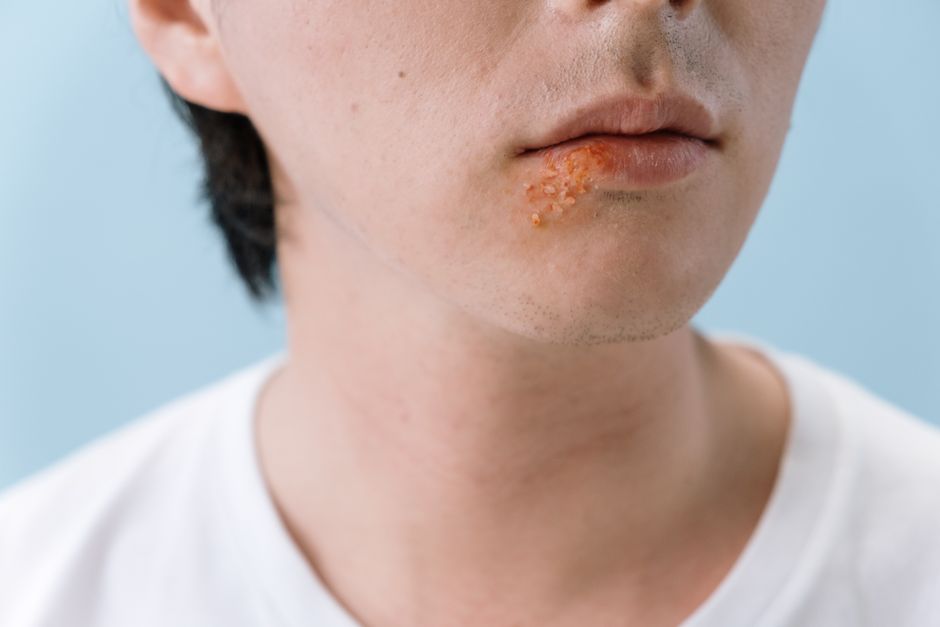
There is one important distinction. A sore that appears suddenly on its own, without any rubbing, is not a friction sore. Cold sores (herpes simplex) start as a tingling patch and form a cluster of small blisters. Canker sores are round with a pale center and a red rim. Neither is caused by your aligners. If you are not sure what you are looking at, that is a reason to have a dentist look at it.
How To Heal Mouth Sores From Invisalign Fast
The single most effective step is removing the source of friction. Everything else supports healing — nothing else replaces stopping the scrape.
1. Smooth the rough edge. Take the tray out, find the sharp spot by running a clean finger along the edge, and gently file it with a clean nail file or emery board. Go slowly and check often. You are only knocking off the burr, not reshaping the tray. Some orthodontists recommend this; if you are unsure, call your provider’s office and ask before you file. A badly over-filed tray can lose its grip on your teeth.
2. Use orthodontic wax. A small piece of dental wax pressed over the sharp edge creates a buffer between plastic and tissue. It is the same wax used for braces. Change it whenever it gets loose or dirty.
3. Rinse with warm salt water. Dissolve about half a teaspoon of salt in a glass of warm water and rinse for roughly 30 seconds, a few times a day. This is a long-standing, low-risk way to keep the area clean. It does not sterilize the mouth, but it soothes irritated tissue and helps clear debris.
4. Give the spot a break when you can. You are supposed to wear aligners most of the day, so this is a balance. Taking trays out during meals is standard. If a sore is severe, ask your orthodontist how much wear time you can afford to lose without slowing your treatment.
5. Keep the trays and your hands clean. Rinse your aligners every time you remove them, and wash your hands before putting them in or taking them out. A dirty tray pressed against broken skin is a recipe for a worse sore.
6. Avoid things that irritate the sore. Very hot drinks, acidic foods, and spicy food can sting an open ulcer. This will not make the sore worse in a lasting way, but it can make the next few days uncomfortable.
What Helps a Mouth Sore Heal — and What Doesn’t
There is no shortage of remedies sold for mouth sores. Some have reasonable support. Others are marketing with no clinical evidence behind them.
What is well established: keeping the area clean, avoiding further friction, and time. Minor traumatic ulcers generally heal on their own within one to two weeks once the cause is removed. Warm salt-water rinses are widely recommended by clinicians as a low-risk comfort measure.
What has some evidence: over-the-counter oral gels and rinses containing a local anesthetic can numb a sore so eating and talking hurt less. These ease symptoms — they do not speed healing. Some clinicians recommend protective barrier gels that coat the ulcer. Benzocaine products are common, but they carry a known risk: the FDA has warned that benzocaine gels used in the mouth can, rarely, cause a serious blood condition called methemoglobinemia, especially in young children. Adults should follow label directions and not overuse them.
What has weak or no evidence: claims that a specific supplement, vitamin, or “oral healing” product dramatically speeds up sore healing in otherwise healthy adults. If you eat a normal diet, there is no strong evidence that adding a supplement shortens a friction sore. Vitamin deficiencies can cause recurrent mouth ulcers, but that is a different situation and should be checked by a clinician, not self-diagnosed.
One clarification worth knowing: mouthwash marketed as “antibacterial” is not a treatment for a friction sore. These sores are not infections. Using harsh alcohol-based mouthwash on broken tissue can sting and dry the area. A plain salt-water rinse is gentler.
When Should You Call Your Orthodontist About a Sore?
Most aligner sores are minor and settle quickly. Some are not, and knowing the difference matters.
Contact your dentist or orthodontist if:
- The sore is large, deep, or getting bigger instead of smaller
- It has not improved after about two weeks
- It bleeds easily or will not stop bleeding
- You have a fever, or the area feels hot and swollen
- You see pus, or the sore has a spreading red border
- Swallowing or opening your mouth becomes difficult
- You get sores repeatedly in the same spot despite smoothing the tray
A sore that keeps coming back in the same place usually means the tray is still rubbing. That is a fit problem, and your orthodontist may need to adjust, trim, or remake the tray. Do not keep filing a tray that keeps causing injury — bring it in.
Also worth flagging: any mouth sore that does not heal after several weeks, with or without aligners, should be examined. Most are harmless, but a non-healing ulcer is something a clinician should look at directly. This is not meant to alarm you — it is simply the standard advice for any persistent mouth lesion.
How Can You Prevent Invisalign Sores in the First Place?
Prevention comes down to catching friction early, before it turns into an open sore.
When you get a new tray, run your tongue and a clean finger along the edges before you wear it. Feel for sharp spots. Many people file or wax a new tray on day one rather than waiting for a sore to develop.
Stay ahead of tray changes. If your orthodontist gives you a schedule, note which days tend to be worst — often the first day or two after a switch. Being gentle with talking and eating during those days can reduce irritation.
Keep your trays clean. Rinse them every time you remove them and clean them as your provider directs. Bacteria on a tray do not cause the sore, but they can slow healing once skin is broken.
Do not ignore a small rough edge hoping it will wear down. Plastic edges that rub tend to keep rubbing. A two-minute fix on day one can save you a week of discomfort.
Finally, mention recurring sores at your next visit. Your orthodontist sees aligner fit all day and can often spot a tray problem you cannot feel yourself.
Frequently Asked Questions
How long do Invisalign mouth sores take to heal?
Most minor friction sores heal within a few days to about two weeks once the rubbing stops. If a sore is still there after two weeks, have your dentist or orthodontist look at it.
Can I file my Invisalign tray if it’s cutting my gum?
Gently smoothing a sharp edge with a clean nail file is something some orthodontists recommend, but ask your provider first. Over-filing can loosen the tray’s fit and slow your treatment.
Should I stop wearing my aligners while a sore heals?
Do not stop on your own, because wear time affects your results. Call your orthodontist and ask how to balance healing with your treatment schedule.
Are Invisalign sores a sign of an infection?
No, most are friction injuries from the plastic edge rubbing soft tissue. A sore with pus, spreading redness, or fever is different and needs prompt medical attention.
