
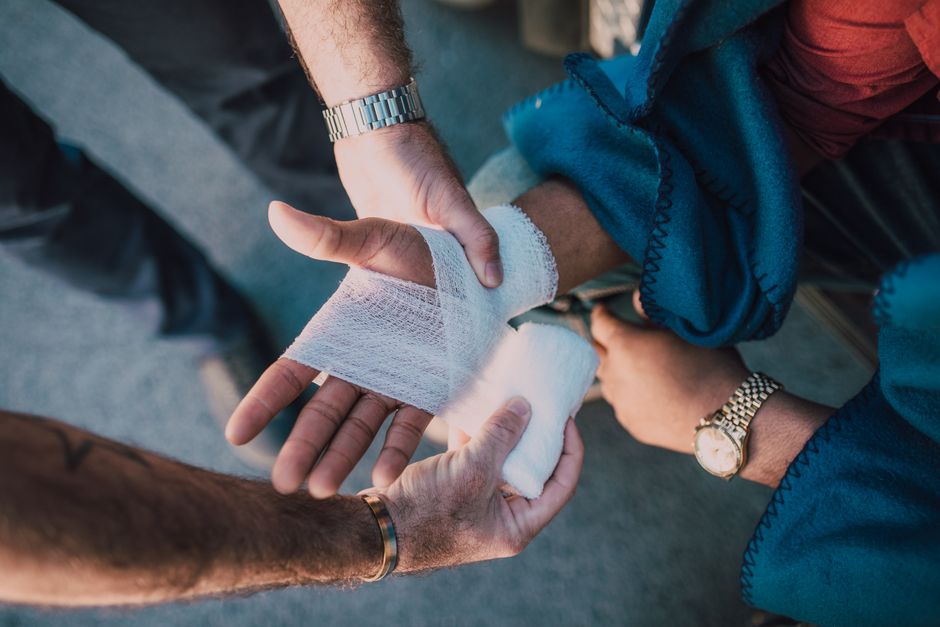
A wrist injury can stop you from doing the simplest things — typing, cooking, even turning a door handle. The first step is always the same: get an accurate diagnosis. Once you know what is actually injured, healing follows a clear path. For most wrist injuries, that path involves rest, protection, gradual movement, and strength work over several weeks. Here is the step-by-step process for healing an injured wrist, from the moment of injury through full recovery.
What Should You Do Immediately After a Wrist Injury?
The minutes and hours right after a wrist injury matter. If you fell on an outstretched hand or felt a sudden pop, stop using the wrist right away. Continuing to move it can turn a mild sprain into a more serious one.
Apply ice to the area for 15 to 20 minutes at a time, several times a day, for the first 48 hours. Wrap the ice in a cloth — never place it directly on skin. Elevate the wrist above heart level when possible to help control swelling.
If the pain is severe, the wrist looks deformed, or you cannot move it at all, go to an urgent care center or emergency room. Do not try to “walk it off.” A broken bone that goes untreated can heal in the wrong position and cause lasting problems.
For mild to moderate pain that does not involve obvious deformity, you can start with home care. But you still need a professional evaluation if pain limits your normal activities for more than a day or two.
Step 1: Get an Accurate Diagnosis
Wrist injuries are not all the same. A sprain involves stretched or torn ligaments. A fracture is a break in one of the eight small carpal bones or the radius and ulna bones of the forearm. Tendon injuries, cartilage tears, and nerve compression can all feel similar at first.
A doctor will examine the wrist, check your range of motion, and likely order imaging. X-rays show fractures. An MRI or ultrasound may be needed if the doctor suspects ligament or cartilage damage that does not appear on X-ray.
This step is not optional. Treating a sprained wrist the same way you treat a broken wrist — or the reverse — can delay healing significantly. A scaphoid fracture, for example, often shows no immediate deformity and can feel like a simple sprain. But it has a high risk of poor healing if not immobilized early.
Step 2: Protect the Wrist With Immobilization
Once you know what is injured, protection comes next. The type and duration of immobilization depend on the specific injury.
For a mild sprain, a compression wrap or a removable wrist splint may be enough. For a moderate sprain, a more rigid splint or cast may be recommended for one to three weeks. For a fracture, a cast is typically worn for four to six weeks or longer, depending on which bone broke and how severe the break is.
Wear the splint or cast exactly as directed. Taking it off early to “test” the wrist is one of the most common reasons healing stalls. The wrist needs this period of protection for ligaments and bones to repair themselves.
Keep the splint dry. If it gets wet, the skin underneath can break down, and the splint material can lose its shape and support.





Step 3: Manage Pain and Swelling
Pain and swelling are normal parts of the healing process. They are signs that the body is sending blood and nutrients to the injured area to begin repairs.
Over-the-counter pain relievers like ibuprofen or naproxen can reduce both pain and inflammation. Acetaminophen can help with pain but does not reduce inflammation. Follow the dosing instructions on the label and talk to your doctor or pharmacist if you have medical conditions that affect which pain reliever is safe for you.
Ice remains useful for the first several days after injury. After that, some people continue to find it helpful for pain flare-ups, especially after activity or therapy sessions. Heat is generally not recommended in the early phase because it can increase swelling.
Step 4: Begin Gentle Movement at the Right Time
Complete rest is not the goal. Once the initial pain and swelling start to settle — usually within a few days for a mild sprain — gentle movement becomes important. Total immobilization for too long causes stiffness, muscle weakness, and slower overall recovery.
Your doctor or a physical therapist will tell you when to start moving. For a mild sprain, this might be within a few days. For a fracture, movement typically begins only after the cast comes off and new bone has formed.
Simple exercises might include gently bending the wrist up and down, moving it side to side, and making a fist. The key word is gentle. Movement should never cause sharp pain. Some discomfort and stiffness is expected, but pain that makes you stop should be your signal to back off.
Step 5: Rebuild Strength and Mobility With Physical Therapy
When the wrist can move without significant pain, strength work begins. This is where many people make the mistake of stopping their recovery too early. The wrist feels “okay” for daily tasks, so they skip the therapy. Months later, they notice weakness or pain returning during heavier activities.
Physical therapy for wrist injuries typically includes stretching to restore full range of motion and strengthening exercises for the muscles that control the wrist and hand. Grip strengthening with a soft ball, wrist curls with light weights, and resistance band exercises are common components.
The timeline for this phase depends on the injury. A mild sprain might need only two to four weeks of therapy. A fracture or a severe ligament tear can require eight to twelve weeks or more before the wrist is back to full strength.
Some clinicians recommend continuing exercises at home after formal therapy ends. The wrist is a small joint with complex mechanics, and maintaining strength prevents future injuries.
How Long Does a Wrist Injury Take to Heal?
Healing times vary widely because wrist injuries vary widely. Here is what you can generally expect based on injury type:
- Mild sprain: One to two weeks of protection, with gradual return to normal activity over two to four weeks.
- Moderate sprain: Two to three weeks in a splint, with full recovery typically taking four to eight weeks.
- Severe sprain or ligament tear: Several weeks of immobilization, sometimes surgery, and up to three months of recovery.
- Simple fracture: Four to six weeks in a cast, followed by several weeks of rehabilitation.
- Complex fracture or one requiring surgery: Six weeks or more of immobilization, with full recovery often taking three to six months.
These are general ranges. Individual healing depends on your age, overall health, the specific injury, and how consistently you follow your treatment plan. Smoking significantly delays bone and ligament healing. Poor nutrition and uncontrolled diabetes also slow recovery.
When Should You See a Doctor Again?
Recovery is rarely a straight line. Some setbacks are normal. But certain signs mean you need a follow-up evaluation.
Return to a doctor if you experience new or worsening pain after a period of improvement, increased swelling, numbness or tingling in the fingers, or a wrist that feels unstable or “gives way” during activity. Cold fingers or a change in finger color also warrant immediate attention — these can signal circulation problems, especially if you are wearing a cast.
If you had a fracture, your doctor will schedule follow-up X-rays to confirm the bone is healing in proper alignment. Do not skip these appointments even if you feel fine.
What Can You Do to Prevent Future Wrist Injuries?
Once your wrist has healed, some prevention strategies are worth considering. Wrist injuries weaken the supporting ligaments and tendons, which means the wrist is more vulnerable to re-injury for months after recovery.
Maintaining strength in the forearm and hand muscles is the most effective prevention. Simple grip exercises and wrist strengthening done two to three times per week can make a meaningful difference.
If you play sports that involve falls or wrist impact — skateboarding, skiing, volleyball, gymnastics — consider wrist guards or proper falling technique. Learning to roll when you fall instead of catching yourself with an outstretched hand can prevent many wrist injuries.
For desk workers, paying attention to wrist position during typing and mouse use reduces strain on the tendons and nerves, though it does not directly prevent the kind of impact injury that comes from a fall.
Frequently Asked Questions
Can I still move my wrist if it’s broken?
Not always — some fractures allow limited movement, especially hairline fractures of smaller bones. That is why any significant wrist injury needs an X-ray rather than a movement test at home.
How do I know if my wrist is sprained or broken?
You cannot reliably tell the difference without imaging. Bruising and swelling occur with both, and some fractures cause less pain than some sprains — see a doctor for an accurate diagnosis.
When can I return to sports after a wrist injury?
Return only when your doctor or physical therapist confirms the wrist has full strength and range of motion, which typically takes several weeks to months depending on injury severity.
Should I sleep with my wrist splint on?
Yes, if your doctor recommends it — many wrist injuries require splinting during sleep to prevent unconscious bending that disrupts healing. Follow your specific treatment instructions.
