

Gum recession is when the gum tissue around your teeth pulls back, exposing more of the tooth or its root. It is a common problem, but it is not something you can reverse on your own at home. The only way to genuinely heal or repair lost gum tissue is through professional dental treatment, though you can take steps to stop it from getting worse.
What Causes Gum Recession?
Gum recession happens gradually. Most people do not notice it until their teeth look longer or feel sensitive. The most common causes are things you might not think about.
Brushing too hard is one of the biggest culprits. Using a hard-bristled toothbrush or brushing aggressively wears away both the enamel and the gum tissue. Some research suggests that improper brushing technique may be a more common cause of recession than gum disease in certain age groups.
Periodontal disease is the other major cause. Bacterial infection damages the gums and the bone that holds teeth in place. As the infection progresses, gums pull away from the teeth and form pockets. This type of recession is often more serious because it involves bone loss.
Other contributing factors include teeth grinding, misaligned teeth, lip or tongue piercings, and genetics. Some people are simply born with thinner gum tissue and are more prone to recession regardless of how well they care for their teeth.
Can Gums Grow Back Naturally?
No. Once gum tissue is lost, it does not regenerate on its own. Gum cells do not have the same regenerative capacity as skin cells.
You will see products online claiming to regrow gums with oils, supplements, or special toothpastes. No clinical evidence supports these claims. Some products may reduce inflammation or improve oral hygiene, which can slow further recession, but they cannot rebuild tissue that is already gone.
The distinction matters. Slowing the process is not the same as healing it. If your goal is to cover the exposed root again, only dental procedures can do that.
What Can You Do To Stop Recession From Getting Worse?
Even if you cannot regrow gum tissue, you have significant control over whether the recession continues. These steps are the foundation of managing the condition.
Change your brushing technique. Use a soft-bristled toothbrush and hold it at a 45-degree angle toward the gumline. Use gentle circular motions rather than sawing back and forth. Many people are surprised to learn that brushing harder does not clean better — it damages tissue.
Floss daily but gently. Flossing removes plaque from areas a toothbrush cannot reach. Slide the floss between teeth and curve it around each tooth in a C-shape. Do not snap the floss into the gums.
Address teeth grinding. If you clench or grind your teeth, especially at night, ask your dentist about a night guard. Grinding puts excessive force on the teeth and accelerates gum recession.
Stop smoking. Tobacco use impairs blood flow to the gums and slows healing. It also increases the risk of periodontal disease, which is a direct cause of recession.
Get regular dental cleanings. Professional cleanings remove tartar that brushing cannot. Tartar buildup contributes to gum inflammation and recession.


How To Heal Gum Recession With Professional Treatment
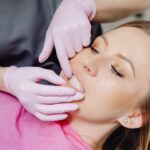
Professional treatment is the only way to actually cover exposed roots and restore gum tissue. The right procedure depends on the severity of your recession and its cause.
Scaling and root planing is a deep cleaning procedure for recession caused by gum disease. The dentist removes plaque and tartar from below the gumline and smooths the root surface. This helps the gums reattach to the tooth. It treats the infection but does not add new tissue where recession has already occurred.
Gum graft surgery is the most common procedure for covering exposed roots. The dentist takes tissue from the roof of your mouth or uses donor tissue and stitches it over the receded area. This is a surgical procedure with a recovery period, but it is the most reliable way to restore gum coverage.
Pinhole surgical technique is a newer, less invasive option. The dentist makes a small hole in the gum and uses special instruments to gently loosen and reposition the tissue over the exposed root. Recovery is generally faster than with traditional grafting, but not every dentist offers this technique.
Chamfer veneers or composite restorations can cover exposed roots without surgery. These are cosmetic options that mask the recession rather than treat the underlying tissue loss. They are appropriate when the recession is mild and the main concern is appearance or sensitivity.
What To Expect After Gum Surgery
Recovery from gum grafting varies by individual and procedure type. Most people experience some swelling and discomfort for a few days. Your dentist will give you specific instructions for eating, brushing, and rinsing during the healing period.
Soft foods are typically recommended for the first week. Avoid crunchy, spicy, or very hot foods that could irritate the surgical site. You may need to avoid brushing the area directly for a period of time and use a prescribed mouth rinse instead.
Complete healing takes several weeks. The grafted tissue needs time to establish a blood supply and integrate with the surrounding gums. You will likely have a follow-up appointment to check healing and remove any sutures that do not dissolve on their own.
Most people report that the procedure is well tolerated. The discomfort is manageable with over-the-counter pain relievers. The long-term benefit is covering the root, reducing sensitivity, and protecting the tooth from further damage.
Can Gum Recession Cause Tooth Loss?
Yes, if left untreated. Recession itself does not directly cause tooth loss, but it is a sign of underlying problems that can.
When gums recede, the roots of the teeth become exposed. Roots do not have the protective enamel layer that crowns have. They are more vulnerable to decay and sensitivity. If the recession is caused by periodontal disease, the same infection is also destroying the bone that holds the teeth in place.
The combination of exposed roots and bone loss can eventually loosen teeth. Early treatment is the best way to prevent this outcome. If you notice any signs of recession, schedule a dental appointment rather than waiting.
How To Know If Your Gums Are Receding
Recession is not always painful. Many people do not realize it is happening until a dentist points it out. Here are the signs to watch for.
- Teeth appear longer than they used to
- Notches or grooves near the gumline
- Tooth sensitivity to hot, cold, or sweet foods
- Visible roots at the base of the teeth
- Gums that bleed when brushing or flossing
- Loose teeth or changes in how your teeth fit together
If you notice any of these signs, ask your dentist to measure your gum pockets. Healthy pocket depth is typically 1 to 3 millimeters. Deeper pockets indicate gum disease and a higher risk of recession progression.
Does Insurance Cover Gum Graft Surgery?
Coverage varies widely by insurance plan. Gum grafting is often classified as a periodontal procedure, and many plans cover a portion of the cost when it is medically necessary.
Medical necessity usually means the recession is causing symptoms such as pain, sensitivity, or root decay. Purely cosmetic procedures may not be covered. Contact your insurance provider before scheduling surgery to understand your specific benefits and out-of-pocket costs.
Frequently Asked Questions
Can gum recession heal on its own?
No. Gum tissue does not regenerate without intervention. Professional treatment is required to cover exposed roots.
What is the fastest way to heal gum recession?
The fastest reliable treatment is a dental procedure such as a gum graft or the pinhole surgical technique. Home care can slow recession but cannot reverse it.
Does salt water help gum recession?
Salt water rinses can reduce inflammation and support healing of irritated gums, but they cannot regrow lost tissue. They are a supportive measure, not a cure.
How long does gum graft surgery take to heal?
Initial healing takes one to two weeks, but complete tissue integration takes several weeks. Most people return to normal eating and brushing within a few weeks.
