
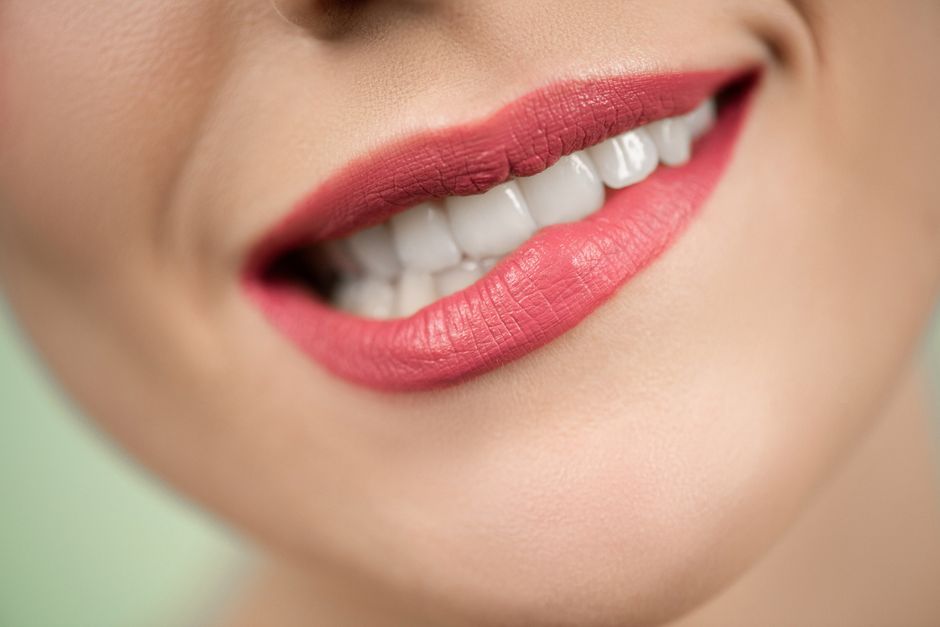
Biting the inside of your lip happens fast, but the pain can last. The sore spot can make eating and talking uncomfortable. Here is what works: clean the area gently, apply ice to reduce swelling, and avoid spicy or acidic foods for a few days. Rinse with warm salt water to keep it clean. Most lip bites heal on their own within a few days to a week. Keep reading for step-by-step care.
What should I do immediately after biting my lip?
The first few minutes matter. If the bite is bleeding, press a clean cloth or gauze gently against the spot. Hold it there for 5 to 10 minutes without lifting it to check. This stops most bleeding. After the bleeding stops, rinse your mouth with cool water to clear away blood. Do not use hot water — it can make bleeding worse.
Once it is clean, apply an ice cube or a cold pack wrapped in a thin cloth to the outside of your lip for 10 minutes. This shrinks blood vessels and limits swelling. If the bite is inside your mouth, you can suck on an ice cube or sip cold water. Avoid poking the area with your tongue. Tongue pressure can reopen the wound and slow healing.
How can I reduce swelling and pain?
Ice is your best tool for swelling in the first 24 hours. Apply cold for 10 minutes, then take a 10-minute break. Repeat this cycle several times throughout the day. After the first day, switch to warm compresses if the area feels tight or sore. The warmth increases blood flow and helps the tissue repair.
For pain, over-the-counter pain relievers like acetaminophen or ibuprofen can help. Follow the dosing instructions on the bottle. Avoid aspirin — it thins the blood and can make bleeding or bruising worse. If the bite is large or very painful, a pharmacist may recommend an oral gel with benzocaine. Use these gels sparingly and only on the sore area. Do not swallow large amounts.
How can I prevent infection after a lip bite?
Mouth wounds heal fast because saliva contains enzymes that kill some bacteria. But infection is still possible, especially if the bite is deep or if you have a weakened immune system. Rinse your mouth with warm salt water (about half a teaspoon of salt in a cup of warm water) after meals and before bed. Swish gently for 30 seconds, then spit. Do this for 3 to 5 days.
Keep the area clean. Avoid touching it with unwashed fingers. Do not pick at any scab or white film that forms — that is normal tissue healing. If you notice increasing redness, swelling, pus, or a fever, see a doctor. These are signs of infection.
Some research suggests that honey can help mouth wounds heal faster because of its antibacterial properties. You can dab a small amount of medical-grade honey on the sore spot. But the evidence is limited, and honey should not replace cleaning the wound. If you have diabetes or allergies to bee products, do not use honey without asking your doctor.



How to heal after biting the inside of your lip?
Healing takes time, but you can help it along. Stick to soft foods that do not require much chewing for the first 2 to 3 days. Good options include yogurt, mashed potatoes, scrambled eggs, smoothies, and soup that is not too hot. Avoid hard, crunchy, spicy, acidic, or salty foods. These irritate the wound and slow healing.
Drink plenty of water to keep your mouth moist. A dry mouth can slow healing and increase infection risk. Avoid alcohol and tobacco products. Both delay healing and can cause more irritation. If you smoke, try to stop for at least a few days while the wound heals.
Sleep with your head slightly elevated on an extra pillow for the first night. This reduces blood flow to the area and helps keep swelling down. Do not sleep on the side of the bite if you can.
Most bites heal completely in 4 to 7 days. You may notice a white or yellow patch on the wound after a few days. That is called a fibrinous exudate — it is a normal part of healing, not pus. Do not scrape it off. It will disappear on its own.
When should I see a doctor for a bitten lip?
Most lip bites do not need medical care. But some situations do. See a doctor or dentist if:
- The bleeding does not stop after 15 minutes of steady pressure.
- The bite is deep enough that you can see muscle or fat tissue.
- The wound is gaping open and may need stitches.
- You have signs of infection, like spreading redness, heat, pus, or a fever over 100.4°F (38°C).
- The pain gets worse after 48 hours instead of better.
- You have a condition that delays healing, such as diabetes, or you take blood thinners.
If you have stitches, your doctor will tell you how to care for the wound. Most mouth stitches dissolve on their own in 5 to 10 days. Do not try to remove them yourself.
How long does a bitten lip take to heal?
Healing time depends on the size and depth of the bite. A small surface bite usually heals in 3 to 5 days. A larger or deeper bite may take 7 to 10 days. The mouth heals faster than other parts of the body because it has a rich blood supply and high cell turnover.
During the healing process, you may notice the area feels tender, then slightly itchy, then normal. That is a good sign. If the area becomes more painful or swollen after 3 days, something may be wrong. Follow up with a healthcare provider.
Frequently Asked Questions
Can I use toothpaste on a bitten lip?
No. Toothpaste is not meant for wounds. It can irritate the tissue and slow healing.
Is it normal for a lip bite to turn white?
Yes. A white or pale yellow patch often forms on mouth sores as part of normal healing. It is not pus.
Should I pop a blister from biting my lip?
No. Leave it alone. Popping a blister raises your risk of infection and delays healing.
How can I stop biting my lip?
If you bite your lip often, paying attention to when it happens can help. Stress, anxiety, and chewing while distracted are common triggers. Practicing mindfulness or using a mouthguard at night may reduce accidental bites.
