
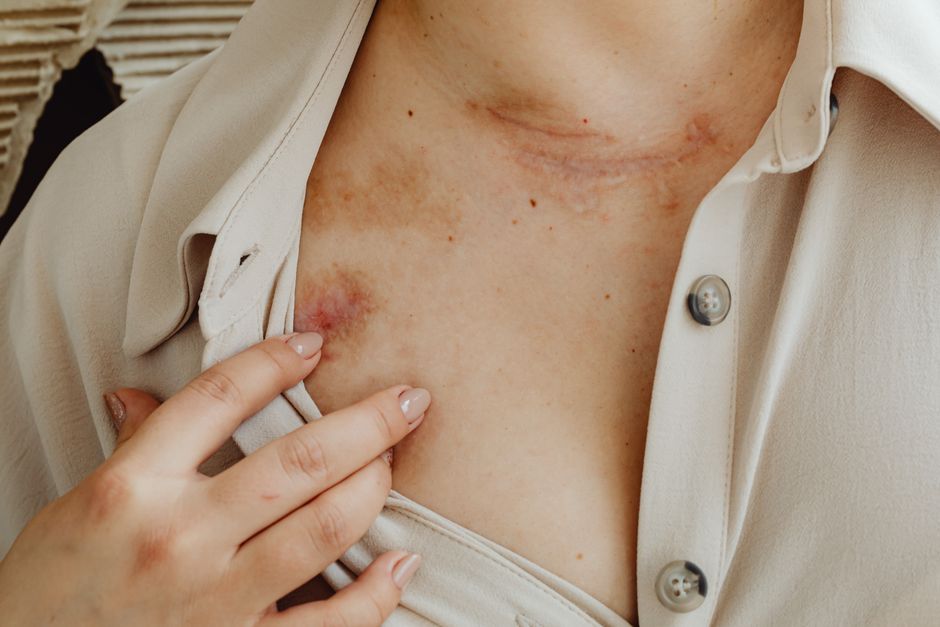
A ring rash is a common skin condition that often looks like a red, circular patch with a clearer center. It can be itchy and uncomfortable, but it is usually treatable. The first step is to identify the cause, because the treatment depends entirely on what is triggering the rash. For the most common cause, fungal infection, healing requires consistent use of an antifungal treatment for the full duration prescribed. Preventing it from returning means keeping the affected area dry, avoiding shared personal items, and addressing any underlying health conditions that may increase your risk.
What Causes a Ring Rash?
The term “ring rash” is a description of how a rash looks, not a specific diagnosis. Several conditions can produce a ring-shaped pattern on the skin. The most well-known is tinea corporis, commonly called ringworm. Despite the name, it is not caused by a worm. It is a fungal infection of the skin.
Other conditions can mimic this appearance. Nummular eczema causes coin-shaped patches that can look similar. Granuloma annulare often forms rings of small, firm bumps. Lyme disease can produce a distinctive “bullseye” rash, though it may not always have the central clearing. Contact dermatitis from jewelry, especially nickel, can also cause a localized ring-shaped reaction.
Because the causes differ, the treatment differs. Applying a fungal cream to eczema will not help. Applying a steroid cream to a fungal infection can actually make it worse by suppressing the local immune response and allowing the fungus to spread. Accurate identification matters.
How Do I Know If My Ring Rash Is Fungal?
Fungal ringworm has some typical features. The edge of the rash is usually raised, scaly, and may have small bumps or blisters. The center often clears up as the ring expands outward. It is frequently itchy.
Location also matters. Ringworm can appear anywhere on the body. When it affects the groin, it is called jock itch. When it affects the feet, it is athlete’s foot. These are the same type of fungus in different locations.
A doctor can often diagnose ringworm just by looking at it. If the diagnosis is unclear, they may scrape a small sample of skin cells and examine them under a microscope. This test, called a KOH prep, can confirm the presence of fungus within minutes. It is the most reliable way to distinguish fungal ringworm from other ring-shaped rashes.
How To Heal A Ring Rash And Prevent It From Returning
If the rash is confirmed as fungal, the treatment is straightforward. Over-the-counter antifungal creams containing clotrimazole, miconazole, or terbinafine are effective for most cases. Terbinafine is often preferred because it requires a shorter treatment course.
The critical mistake people make is stopping treatment too soon. The rash may look better after a few days, but the fungus is still present in the deeper layers of skin. Stopping early leads to a quick return. Continue applying the cream for at least one to two weeks after the rash has completely cleared. This is the single most important step in preventing recurrence.
Keep the area clean and dry. Fungi thrive in warm, moist environments. After bathing, pat the area dry gently with a clean towel. Do not rub. Wear loose-fitting clothing made of breathable fabrics like cotton. Change socks and underwear daily if the rash is on the feet or groin.
If the rash covers a large area of the body, does not improve after two weeks of over-the-counter treatment, or keeps coming back, see a doctor. They may prescribe a stronger topical antifungal or an oral antifungal medication like terbinafine or itraconazole. Oral antifungals are highly effective but require a prescription and monitoring because they can affect the liver.





Why Does My Ring Rash Keep Coming Back?
Recurrent fungal infections usually mean one of three things. The first is incomplete treatment, as discussed above. The second is reinfection from the environment. The third is an underlying condition that makes you more susceptible.
Fungi can survive on surfaces. Fomites, which are objects that can carry infection, include towels, bedding, clothing, combs, and shower floors. If you treat your skin but keep using the same contaminated towel, you will reinfect yourself. Wash all towels, sheets, and clothing that have touched the rash in hot water. Do not share personal care items with anyone else.
Pets can also carry ringworm. Cats, especially kittens, are common carriers. If you have a pet and keep getting ringworm, have the pet checked by a veterinarian. The animal may need treatment even if it shows no signs of infection.
Certain health conditions increase susceptibility to fungal infections. Diabetes, especially when blood sugar is poorly controlled, is a major risk factor. A weakened immune system from any cause also raises the risk. If you are getting frequent or widespread fungal infections, it is worth discussing this with your doctor.
What If It Is Not Fungal?
If your rash does not respond to antifungal treatment, the cause is likely something else. Nummular eczema is a chronic inflammatory condition that produces itchy, coin-shaped patches. It is not an infection, so antifungal creams do nothing. Treatment involves moisturizing, avoiding irritants, and using topical steroids to reduce inflammation.
Granuloma annulare is a benign skin condition that causes ring-shaped bumps, usually on the hands and feet. It is not contagious and often resolves on its own. No treatment is required unless it is cosmetically bothersome.
Contact dermatitis occurs when the skin touches an irritant or allergen. Nickel in jewelry is a common trigger for a ring-shaped rash on the finger or earlobe. Removing the offending item and using a mild steroid cream usually resolves it.
Lyme disease, transmitted by tick bites, can cause a rash called erythema migrans. It often expands over days and may have a central clearing, resembling a bullseye. This requires antibiotics, not antifungals. If you have a ring-shaped rash and also have fever, fatigue, or muscle aches, especially after a known tick exposure, seek medical attention promptly.
How Long Does It Take To Heal?
With proper treatment, most fungal ring rashes improve noticeably within one to two weeks. Complete clearing of the skin may take up to four weeks. The itch usually subsides within a few days of starting treatment.
If there is no improvement after two weeks of consistent treatment, the diagnosis may be wrong, or the infection may be resistant to the medication. This is the point to see a healthcare provider for reevaluation. Do not simply switch to a different over-the-counter cream and hope for the best.
For chronic skin conditions like eczema or granuloma annulare, “healing” means managing symptoms rather than curing. These conditions can come and go over months or years. Treatment focuses on controlling flare-ups and maintaining skin barrier function.
Simple Prevention Habits That Work
Prevention is mostly about denying the fungus the conditions it needs to survive. Keep your skin dry, especially in skin folds. After workouts, shower and change into clean, dry clothes promptly. Do not sit in sweaty gym clothes.
Do not walk barefoot in public showers, locker rooms, or pool areas. These are high-traffic zones for athlete’s foot fungus. Wear flip-flops or shower shoes.
Use your own towel and washcloth. If someone in your household has ringworm, wash their laundry separately in hot water. Disinfect shared surfaces like bathroom floors and shower stalls regularly.
If you have diabetes, managing your blood sugar reduces your overall infection risk. If you have a condition that suppresses your immune system, be extra vigilant about skin hygiene and seek treatment early at the first sign of a rash.
Frequently Asked Questions
Can I use hydrocortisone cream on a ring rash?
No, not unless a doctor has confirmed it is not fungal. Hydrocortisone reduces inflammation but does not kill fungus, and it can allow a fungal infection to spread faster.
Can ringworm spread to other parts of my body?
Yes, it can spread through direct contact or through contaminated towels and clothing. Avoid scratching the rash and wash your hands after touching it.
How do I clean my house to prevent ringworm from spreading?
Wash all bedding, towels, and clothing in hot water and dry on high heat. Vacuum carpets and upholstery, and disinfect hard surfaces like bathroom floors and shower stalls.
Is ringworm contagious even after I start treatment?
Yes, it can remain contagious for the first 48 hours of treatment. After that, the risk drops significantly, but it is still wise to avoid sharing towels and clothing until the rash is fully gone.
