
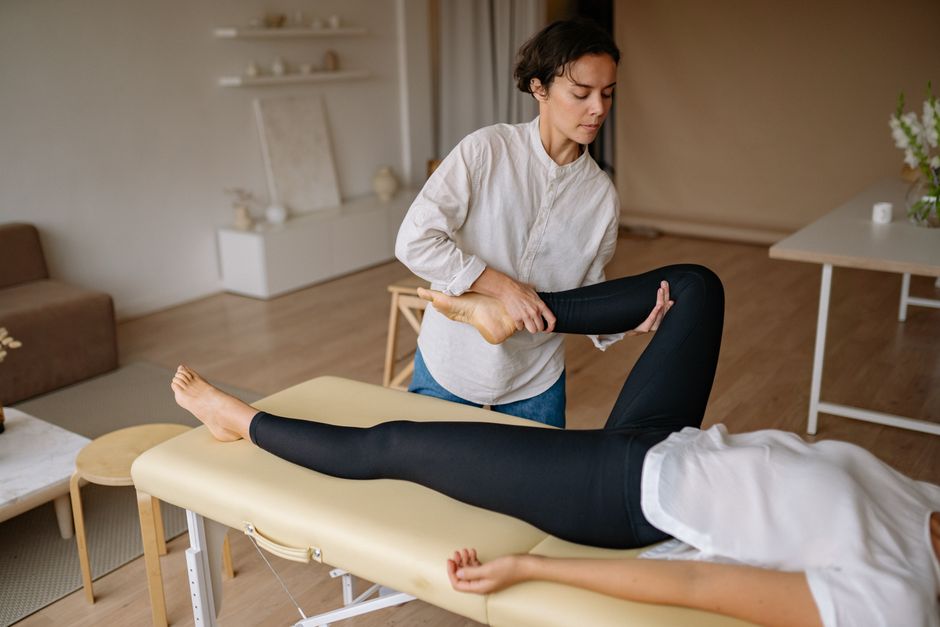
A pulled groin muscle is one of the most common sports injuries, especially among adults who play soccer, hockey, or football. It happens when the muscles on the inside of your thigh stretch too far or tear. The good news is most groin strains heal at home without surgery. The fastest way to heal is to start with rest and ice right away, then gradually introduce gentle movement as pain allows. Most people recover in two to six weeks, depending on how severe the tear is.
What Is a Pulled Groin Muscle Exactly?
A groin pull is an injury to the adductor muscles. These are the five muscles on the inner thigh that pull your leg toward your body. They run from your pelvis down to your thigh bone.
When you change direction quickly, kick, or push off hard, these muscles can overstretch. That stretch can cause small tears in the muscle fibers. In severe cases, the muscle can tear completely.
Doctors grade groin strains from one to three. A grade one strain is mild with small tears. A grade two strain is a partial tear that causes noticeable pain and some loss of strength. A grade three strain is a complete tear that usually needs medical attention.
How Do You Know It Is a Groin Pull and Not Something Else?
Groin pain is not always a pulled muscle. Several other conditions cause pain in the same area. Getting the right diagnosis matters because the treatment differs.
A true groin strain hurts when you bring your legs together or lift your knee. You may feel a sudden sharp pain at the moment of injury. Swelling and bruising can appear within a day or two.
But pain in the groin can also come from a sports hernia, a hip joint problem, or a kidney stone. In men, testicular issues can cause referred pain in the groin. In rare cases, a condition called avascular necrosis affects the hip and causes groin pain.
See a doctor if you cannot put weight on the leg, if the pain came on gradually without an injury, or if you have numbness or tingling. Also seek care if you have a fever or cannot pass urine. These symptoms point to something other than a simple muscle strain.
How To Heal A Pulled Groin Muscle Fast At Home
The fastest healing happens when you act within the first 48 hours. The goal early on is to limit bleeding and swelling in the muscle.
Use the RICE method. Rest the leg for one to two days. Apply ice packs for 15 to 20 minutes every two to three hours. Wrap the thigh with an elastic bandage to compress the area. Keep the leg elevated when possible.
Do not use heat in the first 48 hours. Heat increases blood flow, which can worsen swelling. Wait until the acute phase passes before using heat.
Over-the-counter pain relievers like ibuprofen or naproxen can reduce pain and inflammation. Acetaminophen helps with pain but does not reduce inflammation. Follow the dosing instructions on the package. If you have kidney disease, stomach ulcers, or take blood thinners, ask a pharmacist or doctor before taking these medications.
Avoid stretching the muscle during the first few days. Stretching a freshly torn muscle can make the tear worse. Let the tissue begin to heal before you ask it to lengthen.




When Should You Start Moving Again?
Complete rest for too long is not helpful. Muscles need controlled movement to heal properly. The challenge is finding the balance between too little and too much.
After two to three days of rest, you can start gentle range-of-motion exercises. Move the leg slowly without pain. If an exercise hurts, stop and back off.
A simple start is lying on your back with your knees bent and letting your knees fall outward. This gently stretches the inner thigh without forcing it. Do this for a few minutes several times a day.
Once you can move without sharp pain, add light strengthening. Squeeze a pillow between your knees while lying on your back. Hold for five seconds and release. Do 10 repetitions a few times daily. This activates the adductors without putting weight on the leg.
Progress to standing exercises as pain allows. Slow side lunges and gentle leg raises can help rebuild strength. The key is to work within a pain-free range. Some muscle soreness during exercise is acceptable, but sharp pain is not.
How Long Does Recovery Actually Take?
Recovery time depends on the severity of the tear, not on how motivated you are. You cannot speed up tissue healing beyond what your body naturally does.
A mild strain often heals in one to two weeks. A moderate strain typically takes three to six weeks. A severe tear can take two to three months or longer.
Returning to sport too early is the biggest mistake people make. The muscle may feel better, but it is still weak. Going back to full activity before the muscle has regained strength puts you at high risk of re-injury.
A good rule is to return to sport only when you can walk, jog, sprint, and change direction without pain. You should also have full range of motion compared to the uninjured side.
What Works and What Does Not for Faster Healing
Many products claim to speed up muscle healing. Few have solid evidence behind them.
Physical therapy has the strongest evidence for helping groin strains heal well. A therapist can guide you through a progressive exercise program that restores strength and flexibility. Research consistently shows that active rehabilitation leads to better outcomes than passive rest alone.
Massage therapy can feel good, but deep massage in the first week may increase bleeding in the muscle. Wait until the acute phase passes. Even then, keep the pressure light and avoid direct pressure on the most painful spot.
Kinesiology tape is popular among athletes. Some studies suggest it may help with pain perception, but no strong evidence shows it speeds up healing. It is not harmful, so you can use it if it helps you feel more comfortable.
Supplements like collagen, branched-chain amino acids, and vitamin C are marketed for muscle recovery. The evidence is limited. No large human trials have confirmed that any supplement accelerates healing of a pulled muscle.
Anti-inflammatory medications can reduce pain, but they do not speed up tissue repair. Some research even suggests that suppressing inflammation too much may interfere with the healing process. Use them for pain relief in the first few days, then taper off.
How To Prevent Another Groin Pull
Once you have pulled a groin muscle, you are more likely to pull it again. Prevention should be part of your recovery plan.
Strengthen the adductors regularly. Strong muscles resist tearing better than weak ones. Exercises like side lunges, Copenhagen planks, and resistance band leg adductions build strength in the inner thigh.
Warm up properly before exercise. A dynamic warm-up that includes leg swings, walking lunges, and hip circles prepares the muscles for activity. Cold muscles tear more easily than warm ones.
Do not skip your cool-down. Gentle stretching after exercise helps maintain flexibility in the adductors.
If you play a sport with sudden direction changes, add agility training to your routine. This trains your muscles and nervous system to handle rapid movements safely.
When Home Treatment Is Not Enough
Most groin strains respond well to home care. But some situations need professional help.
See a doctor if you have severe pain, a visible bulge in the groin, or you cannot walk. A bulge could mean a hernia, not a muscle strain. If you heard a popping sound at the moment of injury, that may indicate a complete tear.
If you have been treating the injury at home for a week and see no improvement, get evaluated. Persistent pain that does not improve with rest and ice may point to a different problem.
Your doctor may order an ultrasound or MRI to see the extent of the tear. Imaging is not needed for every groin strain, but it is helpful when the diagnosis is unclear or the injury is severe.
Surgery is rarely needed for groin strains. It is reserved for complete tears or cases where the muscle has pulled away from the bone. Most people recover fully without surgery.
Frequently Asked Questions
Can I walk on a pulled groin muscle?
You can walk if it does not cause sharp pain. Limit walking to short distances for the first few days and use crutches if needed.
Is heat or ice better for a groin pull?
Use ice for the first 48 hours to reduce swelling. Switch to heat only after the acute phase has passed.
Should I stretch a pulled groin muscle?
Do not stretch in the first few days after injury. Start gentle stretching only after the sharp pain subsides.
When can I return to sports after a groin pull?
Return only when you can run, jump, and change direction without pain. This usually takes at least two weeks for mild strains and longer for more severe ones.
