
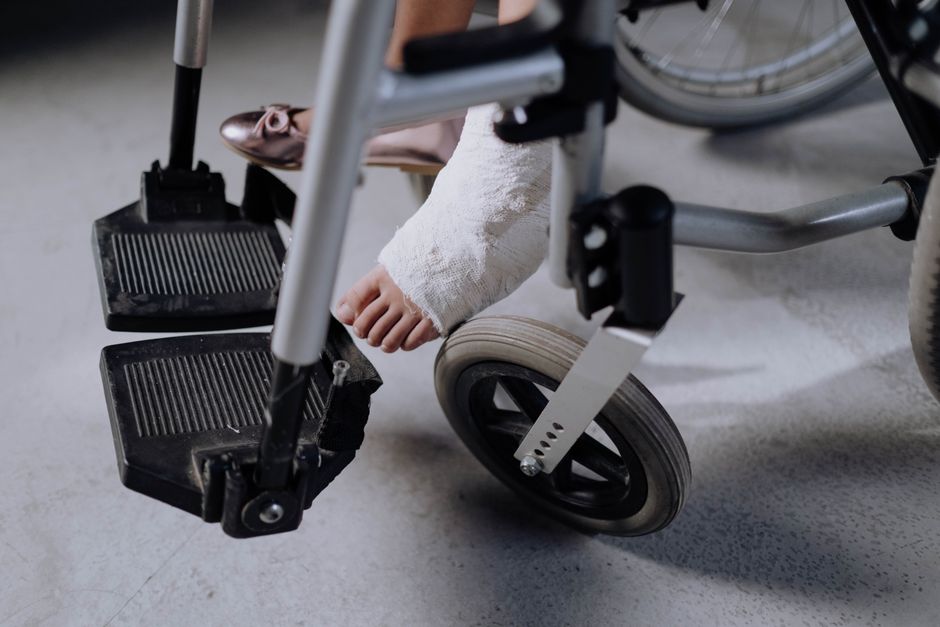
A Jones fracture is a break in the fifth metatarsal bone of the foot, at the spot where the bone narrows just below the base of the little toe. Healing it faster comes down to three things: getting the right diagnosis early, choosing a treatment that matches the fracture type, and avoiding weight on the foot until the bone shows real signs of union. The single most common reason these fractures heal slowly is putting weight on the foot too soon.
This fracture is genuinely different from other foot breaks. The blood supply to that narrow section of bone is limited, and that is the main reason Jones fractures are slower to heal than most fractures and more likely to need surgery. Understanding why it behaves this way helps you make better decisions with your doctor.
Why Is A Jones Fracture Slower To Heal Than Other Foot Fractures?
The fifth metatarsal has a weak spot. At the junction between the base of the bone and the long shaft, the blood supply enters from one direction and the bone is at its narrowest. This area sits in what doctors call a watershed zone — a region with less blood flow than the surrounding bone.
Bone healing depends on blood. When a fracture happens in a place with good circulation, the body delivers the cells and nutrients needed to build new bone fairly quickly. When circulation is limited, that process slows down. The Jones fracture sits in exactly that kind of spot.
This is also why the fracture carries a higher risk of nonunion — the bone failing to knit back together — compared to fractures elsewhere in the foot. It is not a matter of willpower or nutrition alone. The anatomy itself works against fast healing.
There is a second factor. The fifth metatarsal takes a lot of load when you walk, especially when you push off. That repetitive stress on a bone that is already slow to heal can keep the fracture from closing.
How To Heal A Jones Fracture Faster What Works?
What works is matching treatment to the type of fracture and then respecting the healing timeline. Not every Jones fracture is the same, and the right approach for a fresh, clean break can differ from the right approach for a stress-related one or a break that has already been there a while.
Doctors generally sort these fractures into two groups:
- Acute fracture — a sudden break from a twist, fall, or impact, with a clean fracture line.
- Stress fracture or delayed healing — a crack that develops over time from repetitive load, or a break that has not healed as expected.
For a fresh, non-displaced acute fracture, some doctors treat it without surgery using a cast or a stiff walking boot and no weight on the foot. Others recommend surgery right away, especially in athletes or people who need to return to activity quickly. The evidence does not point to one option being clearly better for everyone. That decision depends on the fracture, your activity level, and your doctor’s judgment.
What does consistently matter is this: keeping weight off the foot until the bone shows healing on imaging. This is the part patients most often get wrong. The foot may feel better before the bone is actually strong, and walking on it during that window can widen the gap and delay union.
If surgery is chosen, the procedure usually involves a screw placed down the center of the bone to hold the two ends together. Surgery can allow earlier weight-bearing in some cases, but it also carries its own risks, including irritation from the hardware and, in rare cases, problems with the nerve near the incision.
Does Surgery Actually Heal A Jones Fracture Faster?
Surgery can lead to faster return to activity for some people, but “faster” depends on what you are measuring. Return to walking, return to sport, and full bone union are three different milestones, and they do not move at the same speed.
For athletes and highly active people, surgery is often recommended because it can shorten the time to return to sport and lower the risk of the fracture not healing. For less active people with a clean, non-displaced fracture, non-surgical treatment can work well.
The evidence here is not as clean as it is sometimes presented. Studies comparing surgery with non-surgical treatment have shown benefits for surgery in some groups, but the results vary, and there is no single answer that fits every patient. If a doctor recommends surgery, it is reasonable to ask why it is being recommended for your specific fracture and activity level.
One point that is well established: surgery is generally recommended when the fracture is displaced, when it involves the joint, or when non-surgical treatment has already failed to produce healing.




What Slows Down Jones Fracture Healing?
Weight-bearing too early is the biggest and most avoidable factor. It is also the one patients control most directly.
Other things that can work against you:
- Smoking — nicotine narrows blood vessels and directly impairs bone healing. This is one of the most consistent findings in fracture research.
- Poor blood sugar control in people with diabetes.
- Certain medications, including long-term steroid use, which can weaken bone.
- Continuing to train or push through pain on a stress fracture.
- Vitamin D deficiency, which affects how the body builds bone.
Smoking deserves a direct mention. If you smoke and you break a bone, quitting — even temporarily — is one of the few things that has a clear, measurable effect on healing. This is not a soft suggestion. It shows up repeatedly in the research.
What Can You Actually Do To Support Faster Healing?
Follow the loading restrictions your doctor sets, and do not test the foot because it feels better. That is the core of it. Everything else is support, not a shortcut.
Things that genuinely support bone healing:
- Keep weight off the foot as directed. Use crutches, a knee scooter, or whatever your doctor recommends.
- Get enough calcium and vitamin D. Standard adult intake for calcium is generally around 1,000 to 1,200 mg per day, and vitamin D is commonly recommended at 600 to 800 IU per day for most adults, though needs vary. Ask your doctor what is right for you.
- Do not smoke.
- Eat enough protein. Bone is built from protein as well as minerals.
- Keep follow-up appointments. Healing is confirmed with imaging, not with how the foot feels.
Be skeptical of supplements marketed specifically for bone healing. No supplement has been shown to speed up fracture healing beyond correcting a genuine deficiency. If your levels are normal, adding more does not help.
Once your doctor clears you for activity, follow a graded return. Jumping straight back into running or sport after weeks off is a common way to re-injure the bone.
How Long Does A Jones Fracture Take To Heal?
Healing time varies a lot, and it is longer than most people expect. A typical non-surgical Jones fracture can take several months to reach solid union, and return to full activity often takes longer than that. Surgical cases may return to activity sooner, but the bone still needs time.
Because timelines differ so much from person to person, and because the evidence does not support a single reliable number, your doctor’s imaging results are a better guide than any general estimate. What matters is whether the fracture line is closing on X-ray, not how many weeks have passed.
This is where a lot of frustration happens. The foot may feel fine while the bone is still not fully healed. Feeling good is not the same as being healed, and that gap is where re-injury and delayed union most often occur.
When Should You Be Concerned About Slow Healing?
If pain at the fracture site is not improving, or if it is getting worse after a period of improvement, that is worth a call to your doctor. Persistent pain with weight-bearing weeks into treatment can signal that the bone is not uniting.
Signs to raise with your doctor:
- Pain that returns or worsens after it had been improving.
- Swelling that does not settle.
- New pain in the same spot after returning to activity.
- No visible healing on follow-up imaging.
Nonunion is a real risk with this fracture, and it is not a failure on your part. It is a known feature of the anatomy. If it happens, options include surgery, bone stimulation, or other approaches your doctor may discuss.
Frequently Asked Questions
Can a Jones fracture heal without surgery?
Yes, a fresh, non-displaced Jones fracture can heal without surgery using a cast or boot and no weight on the foot. Healing tends to be slower and the risk of nonunion is higher than with surgery in some groups, so the choice depends on the fracture and your activity level.
How long should you stay off a Jones fracture?
There is no single number that fits everyone — it depends on whether you had surgery and how the bone is healing on imaging. Your doctor will typically keep you off the foot until follow-up X-rays show the fracture is closing.
Does smoking really slow down Jones fracture healing?
Yes. Nicotine impairs blood flow and bone healing, and smoking is one of the most consistent factors linked to slower fracture healing and higher rates of nonunion. Quitting, even temporarily, is one of the few things with a clear effect.
Can I walk on a Jones fracture if it does not hurt?
No. Pain is not a reliable sign that the bone has healed, and walking on it too early can widen the gap and delay or prevent union. Follow your doctor’s weight-bearing instructions even when the foot feels fine.
