
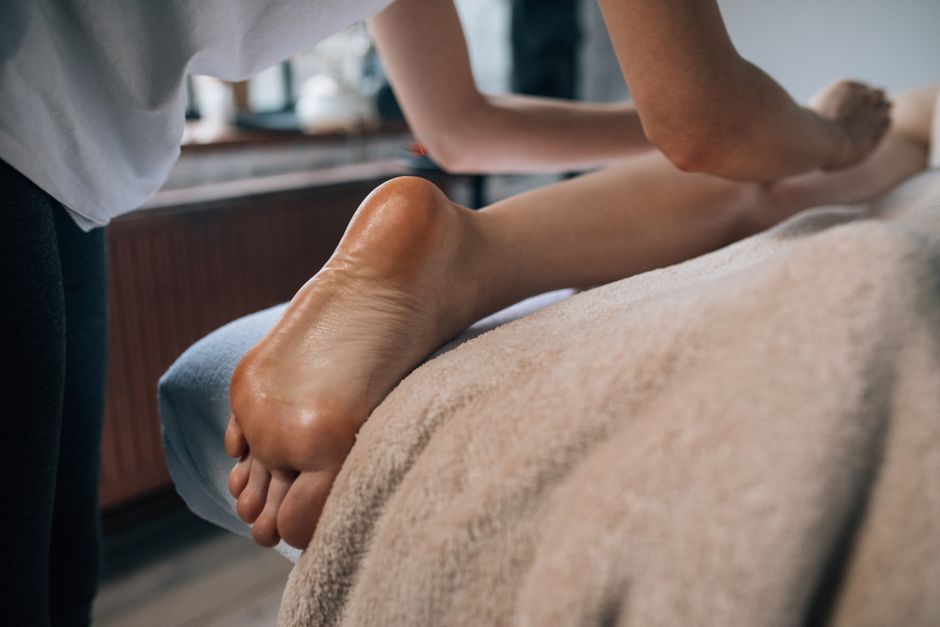
A cut on your foot needs different care than a cut on your hand. Your feet are constantly exposed to pressure, moisture, and dirt, which makes healing slower and infection more likely. To heal a cut on your foot quickly at home, you need to keep it clean, keep it covered, and keep weight off it as much as possible. The fastest healing happens when you protect the wound from the moment it happens and change your dressing daily.
What Is The First Thing You Should Do For A Foot Cut?
The first step is always the same: stop the bleeding. Apply firm pressure with a clean cloth or sterile gauze for 5 to 10 minutes. Do not peek at the wound during this time. Lifting the cloth to check breaks up the clot and restarts the bleeding.
Once bleeding stops, wash the cut with clean running water. Mild soap is fine. Avoid harsh antiseptics like hydrogen peroxide or rubbing alcohol. These damage new tissue cells and slow healing down. Clean water and gentle soap are enough to remove dirt and bacteria.
Check the wound for debris like glass, gravel, or splinters. If you cannot see clearly or something is deeply embedded, do not dig at it. That is a reason to see a doctor.
How Do You Clean And Dress A Foot Cut Properly?
After washing, pat the area dry with a clean towel. Do not rub. Apply a thin layer of antibiotic ointment if you have it. This keeps the wound moist, which research consistently shows heals faster than letting a wound dry out and scab over.
Cover the cut with a sterile bandage or gauze pad. For foot cuts, choose a bandage that fully covers the wound with some margin around it. Medical tape should secure the edges firmly but not so tightly that it cuts off circulation. Your toes should stay pink and warm.
Change the dressing once a day, or any time it gets wet or dirty. Feet sweat inside socks and shoes. A wet bandage is a breeding ground for bacteria. If you shower, remove the bandage, let the water run over the cut, then dry it completely and apply a fresh dressing afterward.
How To Heal A Cut On Your Foot Quickly At Home: Daily Care Steps
Daily care is where most people go wrong. They clean the wound once and then ignore it. A foot cut needs attention every single day until it closes.
Each day, follow the same routine:
- Wash your hands before touching the wound.
- Remove the old bandage gently.
- Rinse the cut with clean water or sterile saline.
- Look for signs of infection: increasing redness, swelling, warmth, or pus.
- Apply fresh antibiotic ointment and a new sterile bandage.
Keep the cut moist but not soaked. Moisture helps skin cells migrate across the wound. Too much moisture breaks down the surrounding healthy skin. If the skin around the cut looks white and wrinkled, you are keeping it too wet.
Change your socks daily and keep your feet clean between dressing changes. Do not walk barefoot, even indoors. Bare feet pick up bacteria from floors, and the cut needs protection from friction.



Should You Keep A Foot Cut Covered Or Let It Breathe?
Keep it covered. The “let it breathe” advice is a myth that persists in popular culture. Wounds heal faster in a moist, covered environment. This is well established in wound care research and clinical practice.
An uncovered foot cut dries out, forms a hard scab, and takes longer to heal. The scab also cracks easily, which reopens the wound and increases infection risk. A covered wound stays hydrated, and the dressing protects it from dirt and friction.
The only time to leave a wound uncovered is when it is completely closed and no longer has any open surface. Even then, keeping it covered for a few extra days protects the fragile new skin.
How Much Weight Can You Put On A Cut Foot?
Pressure slows healing. Every time you stand or walk, you stretch the wound edges and interrupt new tissue formation. This is a mechanical fact, not a suggestion.
Minimize weight-bearing as much as your daily life allows. When you must walk, move slowly and deliberately. Avoid long periods of standing. Elevate your foot whenever you are sitting or lying down. Elevation reduces swelling, and less swelling means less tension on the wound.
If the cut is on the bottom of your foot, consider using a cushioned bandage or a gel pad to distribute pressure. Some people find that wearing a stiff-soled shoe or a sandal with a thick sole reduces pain compared to a flexible shoe that bends at the wound site.
If you cannot walk without significant pain, or if the cut is deep enough that you can see fat or muscle, do not treat this at home. That wound needs medical evaluation and possibly stitches.
What Helps Foot Cuts Heal Faster: Diet And Lifestyle Factors
Your body needs building materials to repair skin. Protein is the most important nutrient for wound healing. Your body uses protein to create collagen, the structural protein in skin. Good sources include eggs, chicken, fish, beans, and dairy.
Vitamin C is also essential for collagen production. Citrus fruits, bell peppers, broccoli, and strawberries are reliable sources. Zinc supports cell growth and immune function. Meat, shellfish, nuts, and seeds provide zinc.
Do not smoke or vape. Nicotine constricts blood vessels, which reduces blood flow to the wound. Less blood flow means less oxygen and fewer nutrients reaching the healing tissue. Smoking is one of the strongest negative factors in wound healing, and this is well documented in surgical and wound care literature.
Stay hydrated. Dehydration makes skin less elastic and impairs cell function. Drink water throughout the day, especially if you are active.
When Should You See A Doctor For A Foot Cut?
Some foot cuts are not safe to treat at home. Know the warning signs before you start home treatment.
See a doctor if any of these apply:
- The cut is deep, gaping, or you can see yellow fat tissue.
- Bleeding does not stop after 15 minutes of firm pressure.
- The cut was caused by a rusty or dirty object, or an animal bite.
- You have diabetes, poor circulation, or a weakened immune system.
- You cannot walk normally because of the pain.
- The cut shows signs of infection: spreading redness, red streaks, warmth, pus, or fever.
People with diabetes need special caution. Foot wounds in diabetics progress to serious complications faster than in healthy individuals. If you have diabetes and get a foot cut, contact your doctor early rather than waiting to see if it heals.
Redness around a wound is normal for the first few days. What is not normal is redness that spreads outward, especially in a streak pattern. Red streaks moving up your foot or leg toward your ankle or knee are a sign of spreading infection and require immediate medical attention.
How Long Does A Foot Cut Take To Heal?
A small, shallow cut on the foot typically closes within 7 to 14 days with proper care. Larger or deeper cuts take longer. Cuts on the bottom of the foot heal slower than cuts on the top because of constant pressure from walking.
Complete healing of the deeper skin layers takes longer than the surface closure. The surface may look closed in a week, but the tissue underneath is still remodeling for several weeks. Continue protecting the area even after it looks healed.
If a cut shows no improvement after 3 to 4 days of proper home care, or if it worsens at any point, seek medical advice. Stalled healing can indicate an underlying issue like infection or poor circulation.
What Should You Not Do When Treating A Foot Cut?
Do not soak your foot in a bath or pool. Bathwater contains bacteria, and pool water contains chlorine and other chemicals that irritate open wounds. Showering is fine because running water carries debris away, but soaking keeps the wound wet for too long.
Do not apply butter, toothpaste, essential oils, or herbal pastes. None of these have evidence supporting their use on wounds. Some can introduce bacteria or cause irritation. Plain soap, water, and sterile dressings are what the evidence supports.
Do not remove a scab that forms after the wound starts closing. A scab is your body’s natural protective barrier. Let it fall off on its own. Pulling it off reopens the wound and increases scar formation.
Do not use adhesive bandages if you have a known adhesive allergy. Look for hypoallergenic options or use gauze and paper tape. An allergic reaction to the bandage can look like an infection and complicate your assessment of the wound.
Frequently Asked Questions
Can I walk on a cut on my foot?
Minimize walking as much as possible. Each step puts pressure on the wound and slows healing, so keep weight off the foot when you can.
Should I use hydrogen peroxide on a foot cut?
No. Hydrogen peroxide damages healthy tissue and slows healing. Clean the cut with mild soap and clean running water instead.
How do I know if my foot cut is infected?
Watch for increasing redness, swelling, warmth, pus, or red streaks spreading up your foot or leg. A fever with a foot wound is also a warning sign.
Is it better to keep a foot cut covered or uncovered?
Keep it covered with a sterile bandage. Covered wounds stay moist and protected, which speeds healing and reduces infection risk.
